Last night in Boston, scientists got special prizes. These prizes are called the Ig Nobel Prizes. They are funny prizes for interesting research. The research makes people laugh first. Then it makes people think.
Listen to the report then check your comprehension with the full text. There are 15 vocabulary questions to consolidate your learning
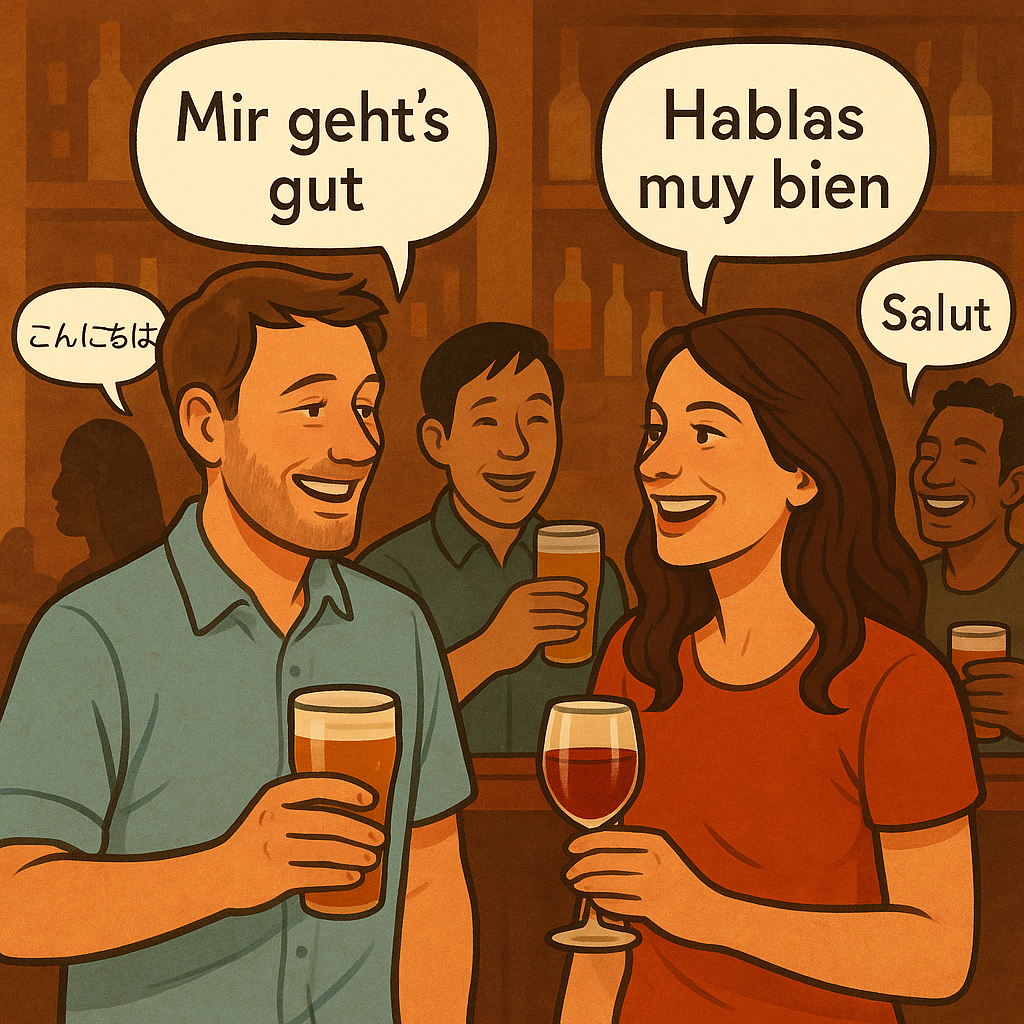
📰 Funny Science Prizes: Alcohol Helps You Speak Better (A2)
Text (A2)
Test Your Understanding & Learn Vocabulary
Answer each question to reveal its vocabulary explanation:
What does ‘prize’ mean?
What does ‘research’ mean?
What is a ‘team’?
What does ‘experiment’ mean?
What does ‘amount’ mean?
What does ‘pronunciation’ mean?
What is a ‘warning’?
What does ‘memory’ mean?
What is a ‘ceremony’?
What does ‘audience’ mean?
What does ‘discovery’ mean?
When you ‘find your way’, you…
What does ‘write down’ mean?
What does ‘published’ mean?
What does ‘properly’ mean?
Grammar Focus: Past simple tense
Last night in Boston, scientists got special prizes.
In the sentence ‘Last night in Boston, scientists got special prizes’, why do we use ‘got’?
Grammar Focus: Modal ‘can/could’ for ability
Can bats fly well after they drink alcohol?
In the question ‘Can bats fly well after they drink alcohol?’, the word ‘can’ is used to ask about…
Grammar Focus
Past simple tense
“Last night in Boston, scientists got special prizes.”
Pattern: Subject + past simple verb + object/complement
Function: Describes completed actions in the past at a specific time
Contrast with: Present perfect (have/has + past participle) for unspecified past time or connection to present
Modal ‘can/could’ for ability
“Can bats fly well after they drink alcohol?”
Pattern: Can/Could + subject + base verb OR Subject + can/could + base verb
Function: Expresses ability or possibility; ‘could’ for past ability or polite questions
Contrast with: ‘Be able to’ for other tenses (will be able to, was able to)