Module code: 505

Talking About My Work as a Consultant Hematologist

Core PathWay

1 What I Do: My Role as a Consultant Hematologist

I am a consultant hematologist. This means I am a specialist doctor. I work with patients who have blood disorders. A blood disorder is a problem with the blood.

I work in a hospital and in a clinic. Every day, I see many patients. I examine them and I diagnose their problems. To diagnose means to find out what is wrong. Then I treat them. This means I help them get better.

I look at blood tests and other test results. I check if the results are normal or abnormal. Normal means everything is okay. Abnormal means there is a problem. I discuss the results with my patients. I explain what they mean. I advise my patients about their health.

βœ“ Remember: A consultant is a senior doctor who is a specialist in one area of medicine.
βœ“ Hematology is about blood and blood problems.

Key Terms

consultant hematologista senior doctor who is a specialist in blood problems
specialista doctor who knows a lot about one area of medicine
work withdo your job together with someone or for someone
patienta person who sees a doctor because they are sick
blood disordera health problem with the blood
bloodthe red liquid inside your body
hospitala big building where doctors help sick people
clinica place where doctors see patients
examinelook at a patient carefully to find problems
diagnosefind out what health problem someone has
treatgive medicine or help to make someone better
look atuse your eyes to see something carefully
blood testwhen doctors take some blood to check for problems
testa way to check something
resultthe answer you get from a test
checklook at something to make sure it is correct
normalusual, with no problems
abnormalnot normal, different from usual
discusstalk about something with someone
explaintell someone about something so they understand
advisetell someone what you think they should do

πŸ’¬ Meeting a New Patient

A consultant hematologist meets a new patient in the clinic for the first time

Dr. Sarah: “Hello, I am Dr. Sarah. I am a consultant hematologist. How can I help you today?”
Patient: “Hello, doctor. My other doctor sent me here. She said I have a blood problem.”
Dr. Sarah: “Yes, I see that here. Can you tell me about your symptoms? How do you feel?”
Patient: “I feel very tired all the time. I also bruise very easily. Sometimes I feel cold.”
Dr. Sarah: “I understand. Did you do a blood test? Do you have the results with you?”
Patient: “Yes, I did a blood test last week. Here are the results.”
Dr. Sarah: “Thank you. I need to examine you now. Then we can talk about treatment.”
Patient: “Okay, doctor. What happens next?”
Dr. Sarah: “I will check your results carefully. Then I will call you for a follow-up appointment next week.”

Join YSP to Practice ThisThis AI Driven Dialogue Practice is a YSP Members Feature – Click the button to see the benefits of YSP membership

2 Common Blood Disorders I See

I see many different blood disorders. Some are common and some are rare. Common means I see them often. Rare means I don’t see them very often.

Anemia is very common. Patients with anemia feel very tired. They look pale. Their blood does not have enough red cells. I prescribe medication to help them. Sometimes they need to eat different food.

Leukemia is a serious blood problem. It is a type of blood cancer. I work with patients who have leukemia. I give them special treatment. This treatment takes a long time.

Some patients have clotting problems. This means their blood does not stop flowing when they get hurt. They bruise easily. They bleed a lot. I help them with medication and advice.

βœ“ Each blood disorder needs different treatment.
βœ“ Some problems are mild (not very serious) and some are serious.

Key Terms

commonhappening often, you see it many times
rarenot happening often, you don’t see it much
anemiaa blood problem when you don’t have enough red blood cells
tiredfeeling you need to sleep or rest
prescribewhen a doctor writes what medication a patient needs
medicationmedicine that helps you get better
leukemiaa serious blood problem, a type of blood cancer
seriousvery important, can be dangerous
clotting problemwhen blood does not stop flowing after you get hurt
bruisea dark mark on your skin after you hit something
bleedwhen blood comes out of your body

πŸ’¬ Discussing a Case with the Team

Morning ward round with nurses and junior doctors

Dr. Sarah: “Good morning, everyone. Let’s discuss the patients today. What is new?”
Nurse: “Good morning, Dr. Sarah. We have three new patients in the ward.”
Dr. Sarah: “Okay. Do we have their blood test results? I need to review them.”
Junior Doctor: “Yes, I have them here. The first patient has abnormal results. They look serious.”
Dr. Sarah: “I see. We need to check the patient again today. Did you monitor him during the night?”
Nurse: “Yes, we monitored him every two hours. He was stable.”
Dr. Sarah: “Good. What treatment is he getting now?”
Junior Doctor: “He is getting medicine for his blood. Should we change it?”
Dr. Sarah: “No, continue the same treatment. But I will prescribe something new for the pain. Let’s check him again this afternoon.”

3 My Daily Work: What I Do Every Day

Every morning, I start work in the ward. A ward is a part of the hospital where patients stay. I talk to the nurses and junior doctors. We discuss each case. A case is one patient and their problem.

I review all the new test results. I look at blood tests and other information. I decide what to do next for each patient. Sometimes I need to order more tests. Sometimes I change the medication.

In the afternoon, I work in my clinic. I see patients who have appointments. They come to see me about their symptoms. Symptoms are the problems they feel. I examine them. I look at their test results. I explain everything to them.

I also work in the laboratory sometimes. This is where we do the blood tests. I look at blood samples under a special machine. A sample is a small amount of blood. I check for problems.

I monitor my patients carefully. This means I watch them over time. I see them for follow-up appointments. I check if the treatment is working.

βœ“ A consultant’s day is very busy with many different tasks.
βœ“ We work as a team with nurses and other doctors.

Key Terms

warda part of a hospital where patients stay in beds
talk tospeak with someone
nursea person who helps doctors and takes care of patients
junior doctora doctor who is still learning and training
caseone patient and their health problem
reviewlook at something again carefully
appointmenta time when you plan to see someone
symptoma problem in your body that shows you are sick
laboratorya room where people do tests and experiments
samplea small amount of something used for testing
monitorwatch something carefully over time
follow-upa meeting or appointment after the first one

πŸ’¬ Explaining My Job at a Social Event

Someone asks about your job at a party or social gathering

Friend: “So, what do you do for work?”
Dr. Sarah: “I am a consultant hematologist. I work at the hospital.”
Friend: “Oh, interesting! What does a hematologist do?”
Dr. Sarah: “I am a specialist. I help patients with blood problems. I diagnose and treat blood disorders.”
Friend: “That sounds difficult! Is it common to have blood problems?”
Dr. Sarah: “Yes, some blood problems are common, like anemia. But some are very serious.”
Friend: “Do you work in a special clinic?”
Dr. Sarah: “Yes, I have a clinic on Tuesdays and Thursdays. I see about ten patients every day.”
Friend: “Wow, you must be very busy! Do you like your job?”
Dr. Sarah: “Yes, I love it! I help people feel better. That makes me happy.”

4 Working with Other Doctors and Patients

I don’t work alone. I am part of a team. I work with nurses, junior doctors, and other specialists. We help each other. We support each other. We all care for the patients together.

Sometimes other doctors refer patients to me. This means they send patients to see me. They think the patient has a blood problem. I am the specialist, so I can help.

I also refer patients to other specialists. If a patient has a problem I cannot treat, I send them to another doctor. We all work together to help patients.

I spend a lot of time talking to patients. I explain their blood disorder. I answer their questions. I help them understand their treatment. Some patients are scared. I try to help them feel better. I give them good information.

βœ“ Good communication is very important in medicine.
βœ“ Doctors work as a team to give the best care.

Key Terms

teama group of people who work together
helpdo something useful for someone
supportgive help and care to someone
care forlook after someone and help them
refersend a patient to see another doctor

πŸ’¬ Calling a Patient with Test Results

A consultant hematologist calls a patient to discuss their blood test results

Dr. Sarah: “Hello, this is Dr. Sarah. I am calling about your blood test results.”
Patient: “Oh, hello doctor! Are my results ready? Is everything okay?”
Dr. Sarah: “Yes, I have your results here. I need to explain them to you. Do you have time now?”
Patient: “Yes, of course. Please tell me. I am a bit worried.”
Dr. Sarah: “Don’t worry. Your results show a small problem, but it is not serious. We can treat it easily.”
Patient: “Oh, that is good! What do I need to do?”
Dr. Sarah: “You need to come to my clinic next week. I will prescribe some medicine for you.”
Patient: “Okay, I understand. Thank you for calling me, doctor.”

5 Talking About My Work with Others

When people ask me about my job, I say: ‘I am a consultant hematologist. I help patients with blood problems.’ This is a simple way to describe my work.

I can also say: ‘I diagnose and treat blood disorders. I work in a hospital and a clinic.’ This gives more information.

If someone asks what I do every day, I say: ‘I see patients. I look at blood tests. I prescribe medication. I work with a team of doctors and nurses.’

Sometimes people want to know about the patients I see. I can say: ‘I see patients with anemia, leukemia, and clotting problems. Some problems are mild and some are serious.’

βœ“ These simple sentences help you talk about your work.
βœ“ You can use these phrases in conversations and at work.
βœ“ Practice saying them so you feel comfortable.

Key Terms

describesay what something is like
mildnot very serious, not very bad
Β 
πŸ”’

Member-Exclusive Vocabulary Review & Acquisition System
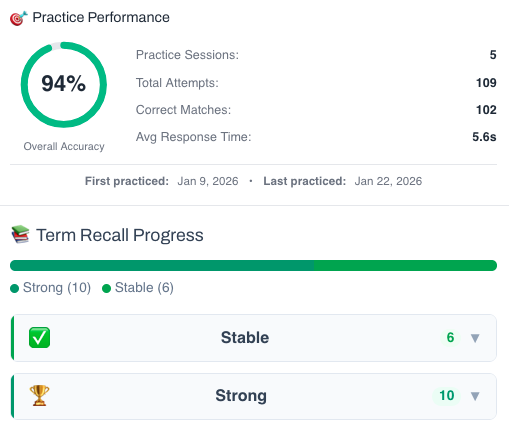
Vocabulary practice stats and progress dashboard preview

This isn’t a simple quiz β€” it’s a fully tracked learning system. You build knowledge through recognition, then recall, and your progress feeds directly into the Integrated Practice Bar (Writing tasks, AI Chat, and more).

  • Practice sessions, accuracy, and response-time tracking
  • Term strength levels (Learning β†’ Stable β†’ Strong)
  • Personal progress history for each unit

This feature is available to YSP members.

Explore Membership Benefits
πŸ”’

Member-Exclusive Cloze Test

Fill in the gaps to complete authentic passages and reinforce your vocabulary in context.

This feature is available to YSP members.

Explore Membership Benefits
πŸ”’

Member-Exclusive Cloze Test

Fill in the gaps to complete authentic passages and reinforce your vocabulary in context.

This feature is available to YSP members.

Explore Membership Benefits
πŸ”’

Member-Exclusive Cloze Test

Fill in the gaps to complete authentic passages and reinforce your vocabulary in context.

This feature is available to YSP members.

Explore Membership Benefits
πŸ”’

Member-Exclusive Cloze Test

Fill in the gaps to complete authentic passages and reinforce your vocabulary in context.

This feature is available to YSP members.

Explore Membership Benefits

← Previous Page 1 of 6