
Queuing
Listen to a report about how people queue in Britain, Italy and America. Does the way people queue say anything about culture? If so, what?
🎧 Queuing
Comprehension Check: Why Do Different Countries Wait in Line Differently?
Answer the questions based on what you heard in the audio.
According to the audio, what do British people call a line?
What does queue jumping mean?
Why do British people think queue jumping is very bad?
According to the audio, how do Italians decide where to stand in line?
What does efficiency mean according to the audio?
Why might Americans choose a different line?
What is psychology according to the audio?
What happens to your body when you feel stress according to the audio?
What is the main difference between individualism and collectivism?
Based on the audio, why do people in collectivist cultures follow queue rules more strictly?
Which value does the audio say is important to Italian culture?
Which of these two summaries best captures the main points of the audio?
📰 Why Do Different Countries Wait in Line Differently? (A2)
Test Your Understanding & Learn Vocabulary
Answer each question to reveal its vocabulary explanation:
In the sentence 'British people call a line a queue', what does 'queue' mean?
What does 'queue jumping' mean?
When you 'wait in line', you…
In the sentence 'Italians are more flexible about lines', what does 'flexible' mean?
What does 'negotiate' mean?
In the sentence 'Italians think this shows social intelligence', what does 'social intelligence' mean?
What does 'context' mean?
In the sentence 'In America, people think about efficiency', what does 'efficiency' mean?
What does 'stress' mean?
In the sentence 'Rule-breaking means not following the rules', what does 'rule-breaking' mean?
What does 'individualist' mean?
In the sentence 'It shows if a culture is individualist or collectivist', what does 'collectivist' mean?
What are 'social rules'?
In the sentence 'They show us different values', what does 'values' mean?
What does 'valid' mean?
Lexical Acquisition System: Unlock, Match, Recall
Member-Exclusive Vocabulary Review & Acquisition System
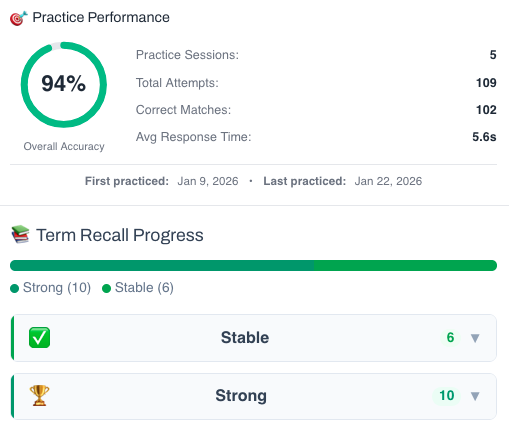
This isn’t a simple quiz — it’s a fully tracked learning system. You build knowledge through recognition, then recall, and your progress feeds directly into the Integrated Practice Bar (Writing tasks, AI Chat, and more).
- Practice sessions, accuracy, and response-time tracking
- Term strength levels (Learning → Stable → Strong)
- Personal progress history for each unit
This feature is available to YSP members.
Explore Membership BenefitsLexical Practice
Member-Exclusive Practice Bar
Access a wide range of integrated practice for this unit — from Vocabulary and Grammar activities to AI-curated Writing tasks and Thematic Chat practice.
This feature is available to YSP members.
Explore Membership Benefits🎮 Extra Practice
Member-Exclusive Sentence Builder
Reconstruct scrambled sentences to practice word order and develop your grammar intuition.
This feature is available to YSP members.
Explore Membership BenefitsMember-Exclusive Sentence Builder
Reconstruct scrambled sentences to practice word order and develop your grammar intuition.
This feature is available to YSP members.
Explore Membership Benefits