The Role & Responsibilities of an HR Manager in an SME
Core PathWay1 👤 The Role of an HR Manager in an SME
In a small to medium enterprise, an HR Manager typically oversees all aspects of the employee lifecycle, from the moment the company decides to hire someone through to their eventual departure. The role involves managing recruitment processes, which means writing job descriptions, advertising vacancies, screening applications to create a shortlist of suitable candidates, conducting interviews, and making final selection decisions. Once a new person joins, the HR Manager coordinates their onboarding and induction, ensuring they understand company policies, complete their probation period successfully, and settle into the organization smoothly.
On a day-to-day basis, HR Managers handle payroll administration, ensuring everyone receives accurate compensation and benefits on time. They deal with employee queries about contracts, leave entitlements, and notice periods. They also implement training programmes to develop the workforce and prepare people for promotion. A significant part of the week involves liaising with line managers about performance reviews, appraisals, and occasionally more challenging situations like disciplinary action, grievances, or even termination of employment. The HR Manager reports to the Managing Director or CEO, providing regular updates on headcount, attrition, turnover, and retention rates. They must maintain strict confidentiality about sensitive employee matters, from redundancy consultations to maternity leave arrangements, and keep accurate records of absenteeism and secondment placements. In smaller organizations, this role demands excellent multitasking abilities, as you might be processing a resignation, updating the staff handbook, and conducting an exit interview all in the same afternoon.
Key Terms
💬 Role Interview: Tell us about your role
An HR Manager is being interviewed about their typical responsibilities in an SME
2 🎯 Typical Skills
An HR Manager in an SME has to be good at multitasking, as they often juggle multiple priorities throughout the day without the support of a large team. Strong interpersonal skills are essential because they work with people at all levels, from new recruits to senior management, and need to build trust quickly. They must have excellent organizational skills to keep track of numerous deadlines, from contract renewals to appraisal schedules, and maintain accurate employee records. Problem-solving abilities are crucial when dealing with workplace conflicts, grievance procedures, or unexpected resignation situations. Successful HR Managers demonstrate empathy and emotional intelligence, particularly when handling sensitive matters like disciplinary action or supporting someone through difficult personal circumstances. They need attention to detail to ensure payroll accuracy, contract compliance, and adherence to employment law. Finally, conflict resolution skills help them mediate disputes and maintain positive employee relations across the organization.
Key Terms
💬 Skills Interview: What skills do you need in your role?
Discussion about the essential competencies required for HR management in an SME
3 🔍 Role Based Lexis
HR Managers in SMEs regularly use specific terminology that reflects their dual focus on people and processes. They frequently discuss full-time equivalent (or FTE) when analyzing workforce capacity, which helps them understand actual staffing levels when some people work part-time. When someone leaves the organization, they conduct an exit interview to gather feedback and understand reasons for departure. The concept of employee engagement comes up often in discussions about workplace culture and motivation levels. HR Managers talk about talent acquisition rather than just recruitment when they’re taking a strategic approach to finding skilled people. Succession planning is another key phrase, referring to preparing for future leadership needs by developing internal candidates for promotion. They work extensively with HR policies that govern everything from leave entitlements to disciplinary action procedures. Understanding employment law is fundamental to the role, as it shapes every decision from writing contracts to handling termination or redundancy situations. These professionals also monitor metrics like turnover, retention, and attrition to assess organizational health and identify potential problems before they escalate.
Key Terms
💬 Communication Challenge Interview: What language challenges do people face?
Exploring the specialized vocabulary and communication demands of HR management
Member-Exclusive Practice Bar
Access a wide range of integrated practice for this unit — from Vocabulary and Grammar activities to AI-curated Writing tasks and Thematic Chat practice.
This feature is available to YSP members.
Explore Membership BenefitsMember-Exclusive Vocabulary Review & Acquisition System
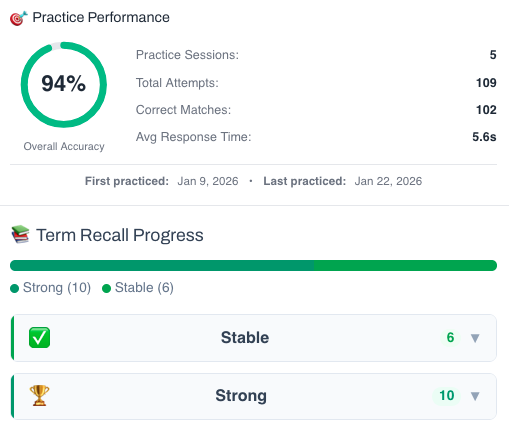
This isn’t a simple quiz — it’s a fully tracked learning system. You build knowledge through recognition, then recall, and your progress feeds directly into the Integrated Practice Bar (Writing tasks, AI Chat, and more).
- Practice sessions, accuracy, and response-time tracking
- Term strength levels (Learning → Stable → Strong)
- Personal progress history for each unit
This feature is available to YSP members.
Explore Membership Benefits🎮 Practice Games
Member-Exclusive Sentence Builder
Reconstruct scrambled sentences to practice word order and develop your grammar intuition.
This feature is available to YSP members.
Explore Membership Benefits