Listen to the full stories first – then read & listen
🎧 TP Magazine 12 June 26 – C1
The Stories
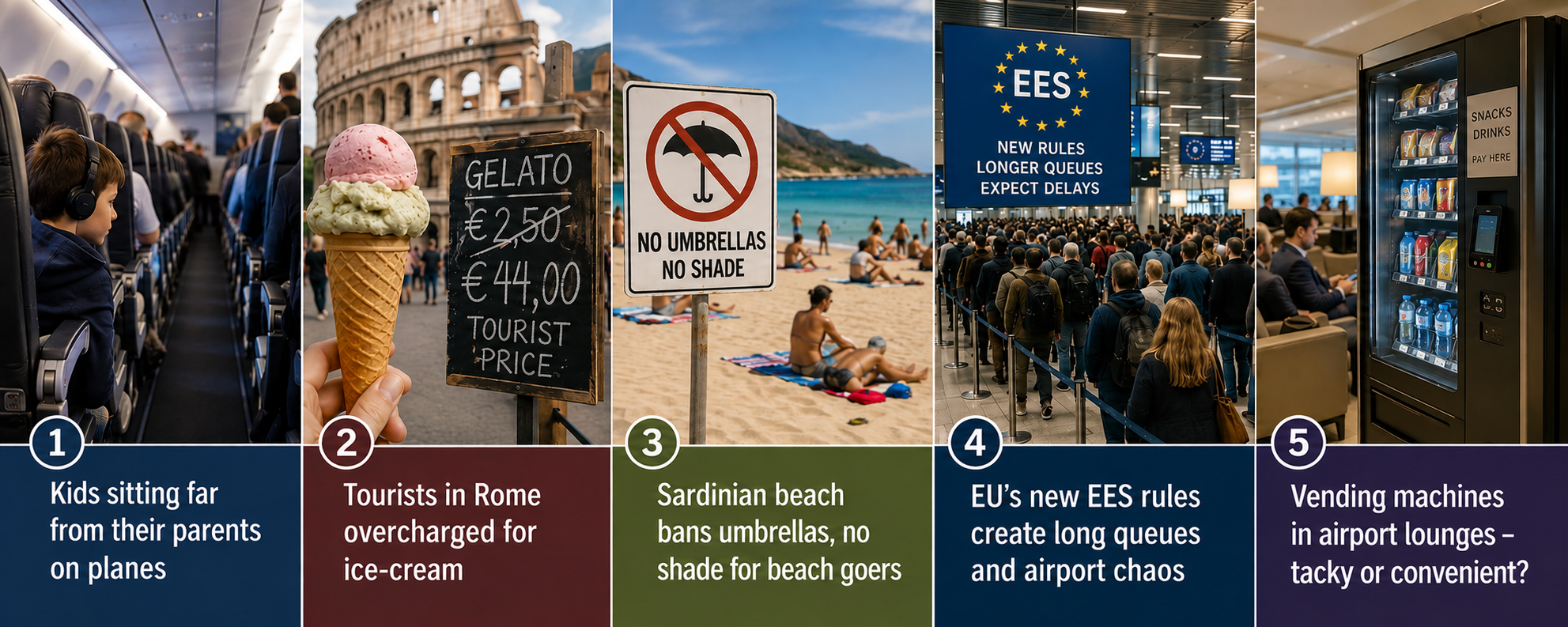
Ryanair Faces Investigation Over Family Seating Charges
The UK’s Competition and Markets Authority, the consumer watchdog responsible for monitoring business practices, has launched an investigation into Ryanair’s controversial family seating policy. At the heart of the probe lies a charge of £8 each way that parents must pay to sit beside their children—a fee the regulator suspects may violate consumer protection law.
Seldom has an airline faced such scrutiny over the monetization of safety compliance. The watchdog contends that Ryanair may be imposing charges for what is, in fact, a legal obligation under aviation safety regulations. Airlines must ensure young children sit with a supervising adult, yet Ryanair’s pricing structure appears to treat this requirement as an optional service.
Ryanair has dismissed the investigation as “bogus,” insisting its policies comply with all relevant regulations and remain in line with industry standards. The airline argues that seat selection fees are transparent and optional, with free random allocation available to all passengers.
The investigation raises a fundamental question about the commercialization of regulatory compliance: can airlines legitimately charge for fulfilling their legal duties? The outcome could have far-reaching implications for budget carrier business models across Europe.
Rome Ice Cream Shop Charges Tourist €44 for Two Servings
A US tourist’s complaint about being charged €44 for two ice creams at a Rome gelateria has gone viral, reigniting debates about transparency in tourist pricing. The visitor had awaited what she assumed would be a modest bill, only to discover the final amount far exceeded her expectations.
According to her account, staff added unrequested extras—macarons and cannoli—without making it immediately clear that these items were chargeable. The tourist claims she heard “fourteen euros” during the transaction, leading to considerable shock when the receipt revealed the actual total. Had the pricing been displayed more prominently, the misunderstanding might well have been avoided.
The incident highlights a persistent challenge in popular tourist destinations: the fine line between premium pricing and exploitation. While businesses argue they offer quality products in prime locations, critics contend that inadequate price disclosure constitutes deceptive practice.
Rome’s tourism authorities face growing pressure to enforce stricter transparency requirements. If tourists cannot trust that prices will be clearly communicated before purchase, destinations risk damaging their reputations. The viral nature of such complaints amplifies their impact, potentially deterring future visitors and undermining the broader hospitality sector’s credibility in an era where online reviews shape travel decisions.
Sardinian Beach Restricts Umbrellas After Devastating Wildfire
Visitors to Punta Molentis, one of Sardinia’s most picturesque beaches, face an unusual restriction this summer: only families with young children or elderly members may erect umbrellas on the sand. The policy, whilst controversial, stems from environmental necessity rather than arbitrary regulation.
Last year’s wildfires ravaged the surrounding landscape, prompting authorities to impose strict visitor limits and reduce human impact on the fragile ecosystem. Rarely has a beach implemented such specific shade restrictions, yet officials argue the measures are essential to preserve the area’s natural heritage for future generations.
The conservation rationale appears sound: limiting beach infrastructure reduces foot traffic, soil compaction, and fire risk during peak season. Environmental scientists suggest the policy may indeed help the recovering landscape stabilize.
However, beachgoers have raised legitimate health concerns about prolonged sun exposure. Dermatologists warn that preventing most visitors from using umbrellas could increase risks of heatstroke and skin disease, particularly during Sardinia’s intense summer months. This creates a genuine policy dilemma: how to balance ecological preservation against public health?
The controversy underscores the complex trade-offs inherent in environmental management. What constitutes appropriate protection of natural spaces when human welfare considerations point in different directions remains an unresolved question.
EU Border System May Take Two Years to Stabilize
The European Union’s Entry/Exit System (EES) could take up to two years to stabilize, according to warnings from Frontex officials. The new border regime, requiring biometrics registration for all non-EU visitors, threatens to cause significant disruption at major airports during the transition period.
Initial enrolment in the system involves fingerprint scanning and facial recognition, processes that may considerably extend processing times at immigration checkpoints. Airports across Europe are struggling to prepare infrastructure capable of handling the additional verification requirements without creating excessive queues.
Authorities suggest that once travelers complete their initial registration, subsequent entries should benefit from fast track processing. However, this offers little consolation to the millions encountering the system for the first time, particularly during peak holiday seasons when airports already operate at capacity.
The tourism industry has expressed alarm at the prospect of prolonged chaos at borders. Hotel associations and tour operators fear that lengthy delays could deter visitors, with potentially severe economic consequences for destinations heavily dependent on international tourism.
Whilst the long-term benefits of enhanced security and streamlined repeat-visitor processing appear promising, the extended implementation timeline raises questions about planning and preparation. Whether the disruption proves manageable or triggers a significant downturn in European tourism remains to be seen.
Vending Machines in Airport Lounges: Convenience or Cost-Cutting?
Are vending machines in premium airport lounges a pragmatic innovation or evidence of declining service standards? This question has gained urgency as American Airlines increasingly installs automated dispensers in facilities traditionally associated with personalized hospitality.
Proponents cite compelling advantages: 24/7 availability regardless of staffing constraints, contactless transactions aligned with post-pandemic preferences, and reduced operational costs that theoretically benefit ticket prices. Never before have amenities been so readily accessible outside conventional service hours.
Yet critics argue that vending machines appear distinctly tacky in premium environments where passengers expect elevated experiences. The pros and cons extend beyond aesthetics: whilst automation offers efficiency, it diminishes the hospitality element that differentiates premium spaces from standard terminals. Limited selection compared to staffed bars and cafés represents another drawback.
The fundamental question concerns what constitutes appropriate service in spaces commanding premium access fees. If lounges existed merely to provide seating and basic refreshments, automation might suffice. However, many travelers regard these facilities as sanctuaries offering respite from airport stress—an experience arguably incompatible with vending machine transactions.
This trend reflects broader tensions within aviation between operational efficiency and luxury positioning. As airlines navigate post-pandemic financial pressures, the balance between cost management and service quality will likely define competitive positioning in premium segments.
Member-Exclusive Practice Bar
Access a wide range of integrated practice for this unit — from Vocabulary and Grammar activities to AI-curated Writing tasks and Thematic Chat practice.
This feature is available to YSP members.
Explore Membership BenefitsMember-Exclusive Vocabulary Review & Acquisition System
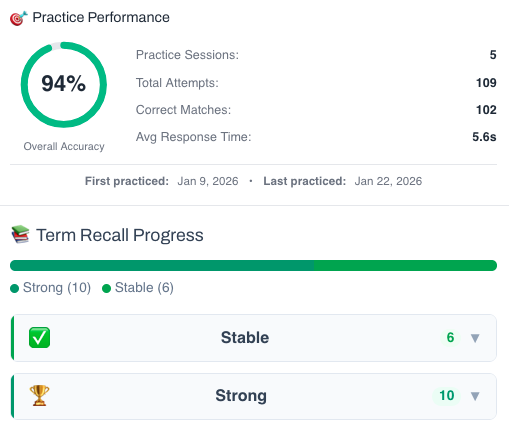
This isn’t a simple quiz — it’s a fully tracked learning system. You build knowledge through recognition, then recall, and your progress feeds directly into the Integrated Practice Bar (Writing tasks, AI Chat, and more).
- Practice sessions, accuracy, and response-time tracking
- Term strength levels (Learning → Stable → Strong)
- Personal progress history for each unit
This feature is available to YSP members.
Explore Membership Benefits