Fishing: An Introduction to Angling and Maritime Harvesting
Core PathWay
1 What Is Fishing? Understanding a Global Activity
Fishing connects people to water in every part of the world, from small rivers to vast oceans.
Fishing is the activity of catching fish and other water animals for food, sport, or business. People have been fishing for thousands of years, and today it remains one of the most important ways humans get food from nature. Recreational angling is fishing that people do for fun or as a hobby. This means they fish to relax, enjoy nature, or challenge themselves, not to sell what they catch. On the other hand, commercial fishing is fishing done as a business. In other words, people catch large amounts of fish to sell them in markets or to restaurants.
There are many ways to fish, and the method depends on where you are and what you want to catch. Some people fish from the shore with a simple rod and line, while others use large boats with nets that can catch thousands of fish at once. Whether someone fishes in a quiet lake on a Sunday morning or works on a fishing boat in the middle of the ocean, they are part of a tradition that has shaped human culture for centuries.
Fishing is not just about catching fish. It also involves understanding water, weather, and the behaviour of different species. Many fishers develop deep knowledge about the marine ecosystem, which is the community of plants, animals, and other living things that exist together in ocean or sea environments. This knowledge helps them fish more successfully and responsibly.
Key Terms
2 Fishing as an Economic and Recreational Practice
Fishing plays two major roles in modern society: it provides food and jobs, and it offers people a way to connect with nature.
Commercial fishing is a huge global industry that employs millions of people and provides food for billions. Countries like China, Indonesia, and Peru have massive fishing industries that catch everything from small sardines to large tuna. These fish are sold fresh, frozen, or canned, and they travel to supermarkets around the world. However, commercial fishing can create serious problems if it is not managed carefully. When companies catch too many fish, populations can decline rapidly, which leads to environmental damage and economic loss.
This is why governments create catch limits, which are rules that control how many fish can be caught in a specific area during a specific time. In other words, catch limits protect fish populations by preventing overfishing. For example, if scientists discover that cod numbers are falling in the North Sea, authorities might reduce the catch limit to allow the population to recover. These regulations are essential for sustainable fishing, which means catching fish in a way that does not harm future fish populations or damage the environment.
Recreational angling is different because it focuses on the experience rather than the profit. Millions of people around the world fish as a hobby, and for many it becomes a lifelong passion. Anglers often practise ‘catch and release’, which means they return the fish to the water after catching it. This approach allows people to enjoy fishing while minimising their impact on fish populations. Whether someone fishes for business or pleasure, understanding and respecting the marine ecosystem is crucial for the future of this ancient activity.
Key Terms
3 Key Terms: Methods, Impact, and Technology
To understand fishing fully, we need to explore some important terms that describe how fishing works, how it affects the environment, and how technology has changed the industry.
The following terms are essential for discussing fishing in a meaningful way. Each one connects to bigger questions about how we use ocean resources and what fishing might look like in the future.
sustainable fishing
- Many countries are trying to promote sustainable fishing by creating protected ocean areas where fishing is limited.
- If we want fish to be available for future generations, we must adopt sustainable fishing practices today.
marine ecosystem
- When people remove too many fish from an area, they can damage the marine ecosystem because other animals depend on those fish for food.
- Scientists study the marine ecosystem to understand how different species interact with each other.
catch limit
- The government set a catch limit of 50 tons of cod per month to protect the declining population.
- Fishers who exceed the catch limit can receive heavy fines or lose their fishing licence.
Key Terms
4 Looking Forward: Fishing in the Modern World
As we begin this series about fishing, it is important to understand that fishing is much more than just catching fish.
Throughout this series, we will explore fishing from many different angles. We will look at the various types of fishing that exist around the world, from traditional methods that have been used for centuries to modern industrial techniques. We will examine fishing as both a relaxing hobby that millions enjoy and a vital economic sector that feeds nations. The history of fishing will show us how this activity has shaped human civilisation, while fishing in literature will reveal how writers have used it as a powerful symbol and setting for stories.
Fishing also works as a metaphor in language and culture. When someone says they are ‘fishing for compliments’, they are not talking about actual fish. This metaphorical use shows how deeply fishing has entered our way of thinking and speaking. Understanding these different dimensions will give you a complete picture of why fishing matters.
The future of fishing depends on the choices we make today. As fish populations face pressure from overfishing, pollution, and climate change, the need for sustainable practices becomes more urgent. However, technology and better management offer hope. Scientists can now track fish populations more accurately, and international cooperation has led to better protection for endangered species. Whether you are interested in fishing as a hobby, as an industry, or as a cultural phenomenon, this series will help you understand its complexity and importance in our modern world.
Member-Exclusive Practice Bar
Access a wide range of integrated practice for this unit — from Vocabulary and Grammar activities to AI-curated Writing tasks and Thematic Chat practice.
This feature is available to YSP members.
Explore Membership BenefitsMember-Exclusive Vocabulary Review & Acquisition System
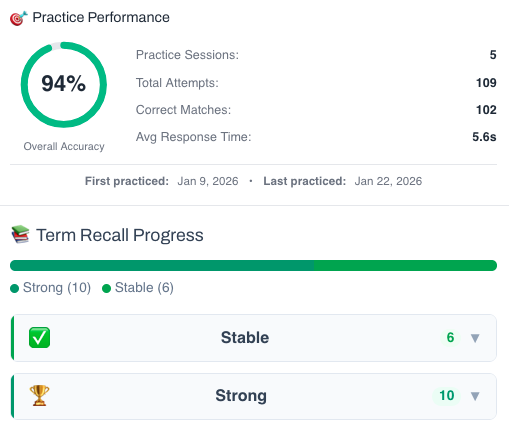
This isn’t a simple quiz — it’s a fully tracked learning system. You build knowledge through recognition, then recall, and your progress feeds directly into the Integrated Practice Bar (Writing tasks, AI Chat, and more).
- Practice sessions, accuracy, and response-time tracking
- Term strength levels (Learning → Stable → Strong)
- Personal progress history for each unit
This feature is available to YSP members.
Explore Membership Benefits