Talking About Habits: Present, Past, and Getting Used to Things
Core PathWay
1 Understanding Habits and Familiarity
When we talk about our lives, we often need to describe things we do regularly or things we did in the past.
When we describe present habits, we talk about actions or situations that happen regularly now. For example, you might say ‘I usually drink coffee in the morning’ or ‘I always walk to work’. These are things you do repeatedly as part of your routine. For past habits, we describe actions or situations that happened regularly in the past but don’t happen now. For example, ‘I used to play football every weekend’ or ‘When I was young, I would visit my grandmother every Sunday’. These habits are finished – they’re not part of your life anymore.
However, there’s another important way we talk about experiences, and this is where many learners get confused. The expressions ‘be used to’ and ‘get used to’ do NOT describe habits themselves. Instead, they describe your level of comfort or familiarity with a situation. They tell us whether something feels normal or strange to you. For example, ‘I’m used to the cold weather’ doesn’t describe a habit – it tells us that cold weather feels normal and comfortable to you now. This is a completely different meaning, and we’ll explore this important distinction carefully in this lesson.
Understanding these differences will help you express yourself more clearly and naturally when you talk about your routines, your past, and how you adapt to new situations.
Key Terms
2 Present Habits: ‘Usually’ and ‘Will’
Focus
- ‘Usually’ most commonly goes BEFORE the main verb: ‘I usually have breakfast at 7am’
- ‘Usually’ goes AFTER the verb ‘be’: ‘She is usually late for meetings’
- You can also put ‘usually’ at the START of a sentence for emphasis: ‘Usually, I take the bus to work’
- Alternatives to ‘usually’ include: generally, normally, typically, as a rule
- ‘Will’ + base verb can describe habits, but this is quite advanced: ‘He’ll sit in that chair for hours’ (meaning: he habitually sits there)
Rules
- Present simple + ‘usually’ (or alternatives) = present habit
- Position: usually/normally/generally + MAIN VERB or BE + usually/normally/generally
- ‘Will’ for habits shows typical behaviour and often includes a feeling of criticism or affection (advanced for B1)
Examples
- I usually go to the gym three times a week. (standard present habit)
- My boss is generally very patient with new employees. (‘generally’ after ‘be’)
- She’ll spend hours on her phone if you don’t stop her. (‘will’ for typical behaviour – advanced)
Common mistake
When we want to describe our present habits, we have several ways to show that something happens regularly. The most common way is to use the present simple with frequency words like ‘usually’, but there’s also a more advanced form using ‘will’ that native speakers use in conversation.
‘Usually’ is the most natural way to talk about habits for B1 learners. It can appear in different positions in a sentence, and there are good alternatives you can use to add variety to your speaking and writing.
3 Past Habits: ‘Used to’ and ‘Would’
Focus
- ‘Used to’ + base verb describes past habits or past states that are not true now
- ‘Would’ + base verb describes repeated past actions (but NOT past states)
- ‘Used to’ is clearer than past simple because it always shows the habit is finished
- You CANNOT say ‘I would be shy’ (state) – you must say ‘I used to be shy’
- Negative: ‘didn’t use to’ or ‘used not to’ / Question: ‘Did you use to…?’
Rules
- Used to + base verb = past habit or state (no longer true)
- Would + base verb = repeated past action only (NOT states)
- Past simple can describe past habits but doesn’t clearly show they’re finished
Examples
- I used to play tennis every Saturday, but now I prefer swimming. (past habit, clearly finished)
- When I was a child, my father would read me stories every night. (repeated past action)
- We used to live in Paris before we moved to London. (past state – you CANNOT use ‘would’ here)
Common mistake
When we talk about past habits – things we did regularly in the past but don’t do now – we have two main structures: ‘used to’ and ‘would’. Both show that the habit is finished, but ‘used to’ is often clearer and more useful.
It’s important to understand why ‘used to’ is often better than past simple. If you say ‘I smoked when I was young’, this tells us about the past, but it doesn’t clearly show that you stopped. However, ‘I used to smoke’ always means the habit is finished – you don’t smoke now. This makes your meaning much clearer.
4 Be Used To and Get Used To: Familiarity, Not Habits
This is one of the most important points in this lesson, and it’s where many learners make mistakes. ‘Be used to’ and ‘get used to’ do NOT describe habits. They describe your level of familiarity or comfort with a situation.
Let’s look at an unnatural conversation to understand this:
Person A: ‘What do you have for breakfast?’
Person B: ❌ ‘I’m used to having coffee and biscuits.’
This sounds very strange to a native speaker! Person B is answering a question about their habit (what they usually eat), but they’re using a form that describes familiarity, not the habit itself. The natural answer is: ✓ ‘I usually have coffee and biscuits.’
So when DO we use ‘be used to’ and ‘get used to’? We use them when we want to talk about how normal or comfortable something feels to us. Look at this example: ‘I’ve been living in London for two years, but I’m still not used to the weather.’ This sentence doesn’t describe a habit – it describes the speaker’s level of adaptation. The weather still feels strange and uncomfortable to them. They haven’t adapted yet.
‘Be used to’ describes your current level of familiarity: ‘I’m used to spicy food’ means spicy food feels normal to you now – it doesn’t surprise or bother you. ‘Get used to’ describes the process of becoming familiar: ‘It took me months to get used to driving on the left’ means the process of adaptation took months – at first it felt strange, but slowly it became normal.
The structure is: be/get used to + -ing form (or + noun). For example: ‘I’m used to working late’ (familiarity with the situation of working late), ‘She’s getting used to her new job‘ (becoming familiar with it), ‘Are you used to the noise?’ (is the noise normal and comfortable for you now?).
Remember: these forms are about how something feels to you (normal or strange, comfortable or difficult), NOT about describing the habit itself.
Key Terms
5 Forms of ‘Be Used To’ and ‘Get Used To’
Focus
- Present simple: ‘I’m used to the cold’ / ‘I’m getting used to it’ (current familiarity / current process)
- Past simple: ‘I was used to the noise’ / ‘I got used to it quickly’ (familiarity in the past / completed process)
- Future: ‘I’ll be used to it soon’ / ‘I’ll get used to it’ (familiarity will exist / process will happen)
- Present perfect: ‘I’ve been used to it for years’ / ‘I’ve got used to it’ (familiarity from past until now / completed process with present result)
- Present continuous: ‘I’m getting used to the food’ (process happening now – we don’t usually use continuous with ‘be used to’)
Rules
- Structure: be/get + used to + -ing form OR noun
- ‘Be used to’ describes the STATE of familiarity (use simple or perfect tenses mostly)
- ‘Get used to’ describes the PROCESS of becoming familiar (can use all forms including continuous)
- After ‘to’ you must use -ing form for verbs: ‘used to working’, NOT ‘used to work’ (that’s the different ‘used to’ for past habits!)
Examples
- She’s been used to living alone since 2020, so she enjoys her independence now. (present perfect – state of familiarity from past until now)
- When I first moved here, I wasn’t used to the traffic, but I got used to it after a few months. (past simple – lack of familiarity, then completed process)
- Don’t worry – you’ll get used to the new system quite quickly. (future – process will happen)
Common mistake
Now that you understand the meaning of these expressions, let’s look at how to use them in different tenses. Because ‘be used to’ and ‘get used to’ contain the verbs ‘be’ and ‘get’, we can use them in simple, perfect, and continuous forms to show different time periods and aspects.
6 Recap: Habits and Familiarity
Let’s bring everything together. You now understand that English has different ways to talk about habits and different ways to talk about familiarity.
For present habits, use present simple with ‘usually’, ‘normally’, ‘generally’, or similar words: ‘I usually exercise in the morning’. For past habits that are no longer true, use ‘used to’ or ‘would’: ‘I used to live in Spain’ or ‘We would go to the beach every summer’. Remember that ‘used to’ is often clearer than past simple because it always shows the habit is finished.
The most important point is this: ‘be used to’ and ‘get used to’ are NOT for describing habits. They describe your level of comfort or familiarity with a situation. ‘I’m used to spicy food’ means spicy food feels normal to you – it’s not describing what you eat regularly. ‘I’m getting used to my new job’ means you’re in the process of becoming comfortable with it.
When someone asks ‘What do you usually do?’, answer with habit language: ‘I usually…’. When you want to express how comfortable or familiar something feels, use ‘be/get used to + -ing/noun’. This distinction will make your English sound much more natural and accurate.
Member-Exclusive Vocabulary Review & Acquisition System
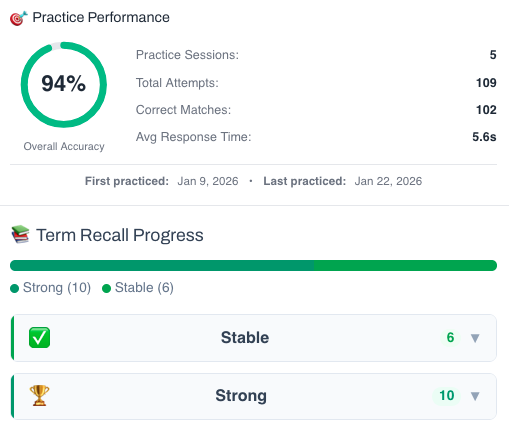
This isn’t a simple quiz — it’s a fully tracked learning system. You build knowledge through recognition, then recall, and your progress feeds directly into the Integrated Practice Bar (Writing tasks, AI Chat, and more).
- Practice sessions, accuracy, and response-time tracking
- Term strength levels (Learning → Stable → Strong)
- Personal progress history for each unit
This feature is available to YSP members.
Explore Membership BenefitsMember-Exclusive Sentence Builder
Reconstruct scrambled sentences to practice word order and develop your grammar intuition.
This feature is available to YSP members.
Explore Membership Benefits