Understanding Development: A Global Perspective
Core PathWay
1 What Does ‘Development’ Really Mean?
When we hear that a country is ‘developing’ or ‘developed’, what does that actually tell us?
The word development appears everywhere in global news and politics, but its meaning is more complex than you might think. In simple terms, development means positive change that improves people’s lives. However, this change happens in many different ways. A country might experience economic growth, which means its businesses produce more goods and services, and people generally earn more money. At the same time, social progress is equally important. This means improvements in education, healthcare, and the quality of life for ordinary citizens.
The challenge is that these two types of progress don’t always happen together. A nation might build impressive new buildings and roads, but if most people still can’t access good schools or hospitals, is that real development? This question has led experts at organizations like the United Nations to think more carefully about what development should achieve.
Today, when governments and international organizations discuss development, they’re talking about creating lasting positive change that benefits everyone in society, not just the wealthy few. This is where the idea of sustainable development becomes central to modern thinking about global progress.
Key Terms
2 The Different Faces of Development
Development isn’t just one thing – it has many different dimensions that all connect to each other.
Let’s start with the economic dimension. When economists measure development, they look at indicators like average income, employment rates, and business activity. Economic growth is often the first thing people mention, but growth alone doesn’t tell the whole story. A country needs to think about resource allocation, which means how money and materials are distributed across society. If all the wealth goes to a small elite, that’s not balanced development.
The social dimension focuses on people’s wellbeing. Are children going to school? Can families access healthcare when they need it? Do people have clean water and electricity? These questions reveal whether development is actually reaching ordinary citizens. Social progress includes reducing poverty, improving education systems, and creating opportunities for everyone, regardless of their background.
Urban development is another crucial area. Cities are growing rapidly around the world, and they need proper infrastructure to function well. This means roads, bridges, public transport, water systems, and electricity networks. Without good infrastructure, cities become overcrowded and difficult places to live. Meanwhile, scientific and technological development drives innovation. Countries that invest in research, universities, and new technologies often see faster progress in other areas too.
All these dimensions are connected. For example, better infrastructure helps businesses grow, which creates jobs and increases economic growth. That growth can then fund better schools and hospitals, leading to social progress. This is why development experts now talk about taking a ‘holistic approach’, which means looking at all these areas together rather than separately.
Key Terms
3 Key Terms in Development Discussions
sustainable development
- achieve sustainable development
- promote sustainable development
- sustainable development goals
- commitment to sustainable development
- principles of sustainable development
- The UN created 17 Sustainable Development Goals that countries should reach by 2030.
- Many companies now focus on sustainable development because they understand that protecting the environment is essential for long-term success.
infrastructure
- build infrastructure
- improve infrastructure
- modern infrastructure
- infrastructure projects
- transport infrastructure
- digital infrastructure
- infrastructure investment
- The government announced plans to invest billions in infrastructure, including new railways and upgraded power stations.
- Poor infrastructure makes it difficult for businesses to transport their products efficiently.
resource allocation
- efficient resource allocation
- resource allocation decisions
- improve resource allocation
- resource allocation strategy
- fair resource allocation
- The hospital manager had to make difficult resource allocation decisions about which departments would receive new equipment.
- Better resource allocation could ensure that rural areas receive the same quality of healthcare as cities.
To participate confidently in discussions about global development, you need to understand how certain key terms are used in context. These words appear constantly in news articles, reports, and policy documents.
Let’s examine three essential concepts that form the foundation of modern development thinking. Understanding how these terms combine with other words will help you recognize them in different contexts and use them naturally in your own discussions.
Key Terms
4 Connecting Development Concepts to Real-World Scenarios
Now that you understand the key vocabulary and concepts, how can you apply this knowledge in real discussions and debates?
When you read news articles about global issues, you’ll start noticing these terms everywhere. For example, when a government announces a new budget, journalists will analyze the resource allocation choices. Are they investing more in infrastructure or in social programs? When companies talk about their future plans, they often mention their commitment to sustainable development. Understanding these terms helps you evaluate whether their claims are genuine or just marketing language.
In discussions, you can use conditional sentences to explore development challenges. For instance, ‘If countries don’t invest in sustainable development now, they might face serious environmental problems in the future.’ Or you could say, ‘Economic growth would be more beneficial if it led to better resource allocation across all regions.’ These structures help you express complex ideas about cause and effect.
The UN’s 2030 Agenda for Sustainable Development provides a practical framework that connects all these concepts. It includes 17 goals that cover everything from ending poverty to building sustainable cities and ensuring quality education for all. Each goal requires attention to infrastructure, careful resource allocation, and a balance between economic growth and social progress. Therefore, when you discuss any development issue, you’re rarely talking about just one dimension – you’re looking at how multiple factors interact.
Remember that development discussions often involve comparing different approaches. You might contrast how developed countries and developing countries face different challenges, or you might compare urban development strategies in different cities. Using phrases like ‘on the other hand’, ‘whereas’, and ‘unlike’ will help you make these comparisons clearly. The key is to show that you understand development as a complex, multi-dimensional process rather than a simple story of rich versus poor countries.
Member-Exclusive Vocabulary Review & Acquisition System
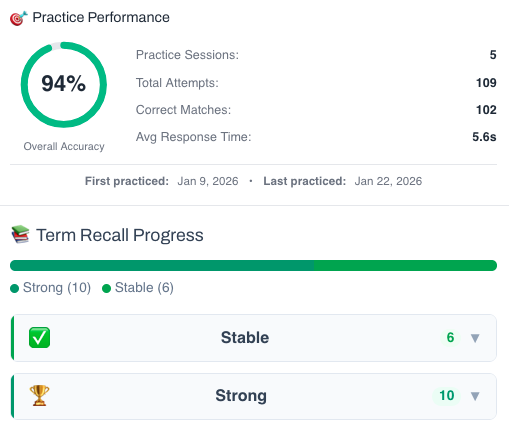
This isn’t a simple quiz — it’s a fully tracked learning system. You build knowledge through recognition, then recall, and your progress feeds directly into the Integrated Practice Bar (Writing tasks, AI Chat, and more).
- Practice sessions, accuracy, and response-time tracking
- Term strength levels (Learning → Stable → Strong)
- Personal progress history for each unit
This feature is available to YSP members.
Explore Membership Benefits🎮 Practice Games
Section 1 – Fill in the Gaps
Understanding Development: A Global Perspective – Section 1
Member-Exclusive Cloze Test
Fill in the gaps to complete authentic passages and reinforce your vocabulary in context.
This feature is available to YSP members.
Explore Membership BenefitsSection 2 – Fill in the Gaps
Understanding Development: A Global Perspective – Section 2
Member-Exclusive Cloze Test
Fill in the gaps to complete authentic passages and reinforce your vocabulary in context.
This feature is available to YSP members.
Explore Membership BenefitsSentence Scrambler
Understanding Development: A Global Perspective – Sentence Scramble
Member-Exclusive Sentence Builder
Reconstruct scrambled sentences to practice word order and develop your grammar intuition.
This feature is available to YSP members.
Explore Membership Benefits