The Many Faces of Get Through
Core PathWay
1 Understanding ‘Through’: The Journey from One Side to the Other
Have you ever thought about what the word through really means?
The word ‘through’ describes a journey from one side to the other. Imagine walking through a tunnel – you enter at one end and come out at the other side. The tunnel is a barrier that you must pass from start to finish. This idea of moving from beginning to end, or crossing from one side to another, is the core meaning of ‘through’. When we add ‘get’ to ‘through’, we create a phrasal verb that keeps this basic idea but applies it to many different situations.
‘Get through’ can describe physical movement, like getting through a crowd of people at a concert. However, it also describes more abstract journeys. You can get through a difficult exam period, get through to someone on the phone, or get through a whole box of chocolates in one evening. In each case, there’s a sense of completing something, overcoming an obstacle, or reaching the other side of a challenge.
The beauty of this phrasal verb is its flexibility. Whether you’re talking about time, communication, or consumption, ‘get through’ always carries that fundamental meaning: moving from start to finish, or successfully passing a barrier. In the following sections, we’ll explore the most common ways English speakers use this versatile expression in everyday life.
2 Difficult Week? Don’t Worry, I’m Sure You’ll Get Through It
When life gets tough, English speakers often say ‘you’ll get through it’ to offer encouragement.
This use of ‘get through’ means to survive or endure a difficult period until it ends. The difficult time is like a tunnel – dark and uncomfortable, but with an exit on the other side. When you ‘get through’ a hard situation, you reach that exit. For example, if you have a hectic week at work with mountains of paperwork and back-to-back meetings, your colleague might say: ‘It’s tough now, but you’ll get through it.’ This means you’ll survive until the weekend arrives.
We use this expression with all sorts of challenges. Students get through stressful exam periods. Parents get through sleepless nights with newborn babies. Workers get through demanding projects with tight deadlines. The phrase acknowledges that the situation is genuinely difficult, but it also expresses confidence that the person will cope and emerge on the other side.
The vocabulary around this meaning is rich with words describing difficulty and quantity. You might face piles of work, loads of problems, or a ton of responsibilities. The situation might be overwhelming, exhausting, or challenging. You might feel swamped with tasks or buried under deadlines. However, the reassuring message remains the same: this difficult period will end, and you will get through it. The phrase combines realism about the struggle with optimism about the outcome.
3 I Can’t Get Through To You!
Have you ever felt frustrated because someone just won’t listen to your advice or understand your point?
‘Get through to someone’ has two distinct meanings, both involving successful connection. The first meaning relates to communication and understanding. When you ‘get through to’ someone, you successfully make them understand your message or change their mind. This is particularly challenging when the person is stubborn, headstrong, or obstinate. Imagine trying to convince a teenager to study harder, or persuading a friend to see a doctor about a health problem. If they refuse to listen, you might say in frustration: ‘I just can’t get through to you!’ This means your message isn’t penetrating their resistance.
The vocabulary of stubbornness is colourful in English. A pig-headed person refuses to change their opinion. Someone showing wilfulness deliberately ignores good advice. Sheer bloody-mindedness (a very British expression) describes someone who stubbornly does the opposite of what you suggest, just to prove they won’t be told what to do. When someone is being unreasonable or inflexible, getting through to them feels impossible.
The second meaning is more literal and relates to telephone communication. ‘I can’t get through to you’ can mean ‘I can’t reach you by phone.’ This usage comes from the old days when telephone calls travelled through physical wires and cables. If the line was busy or broken, your call couldn’t get through the wires to reach the other person. Today, even with mobile phones, we still use this expression when someone’s phone is engaged, switched off, or has no signal. Both meanings share the same frustration: something is blocking the connection you’re trying to make.
4 €1M – He’ll Get Through That in No Time!
When we talk about using up or consuming quantities of something, we often use ‘get through’.
This meaning describes how much of something a person uses within a certain time period. The focus is on consumption and the speed or quantity involved. For example: ‘My teenage son gets through two litres of milk every day!’ or ‘She gets through three pairs of running shoes a year because she trains so hard.’ The expression works with almost anything you can measure or count: food, drink, money, clothes, or resources.
The quantities we mention can be impressive or shocking. Someone might get through a packet of biscuits in one sitting, dozens of books each month, or hundreds of pounds on their hobby every year. A heavy smoker might get through two pouches of tobacco weekly. An active child might get through five pairs of school shoes annually because they wear them out so quickly. When someone inherits a fortune but spends recklessly, people might say: ‘He’ll get through that million euros in no time!’ This suggests wasteful or rapid consumption.
We can describe quantities in many ways: a bottle of, a box of, a bag of, a tin of, several, countless, numerous, a stack of, a pile of, or a heap of. The tone can be neutral, admiring, or critical depending on context. ‘She gets through an enormous amount of work each week’ is complimentary. However, ‘He gets through his entire salary before month-end’ suggests poor financial management. The phrase always emphasizes the quantity consumed and often implies that the amount is noteworthy – either impressively large or worryingly excessive.
5 Bringing It All Together
You’ve now explored four distinct meanings of ‘get through’, each building on that core idea of movement from one side to another.
When you get through a difficult time, you’re travelling from the start of the challenge to the end, emerging on the other side. When you get through to someone, your message successfully crosses the barrier of their stubbornness or the telephone connection is made through the network. When you get through a quantity of something, you move from a full supply to an empty one, consuming everything from beginning to end.
The same two-word phrase expresses completely different ideas depending on what follows it. ‘Get through a crisis’ means survive it. ‘Get through to a person’ means communicate successfully or make phone contact. ‘Get through a fortune’ means spend it all. Context is everything. However, that underlying sense of ‘through’ – completing a journey, crossing a barrier, moving from start to finish – connects all these meanings.
Next time you hear or use ‘get through’, pause to consider which meaning applies. Are you talking about surviving difficulties, establishing communication, or consuming quantities? Understanding these different applications will help you use this versatile phrasal verb with confidence in the right situations. You’ll also recognize it more easily when native speakers use it in conversation, films, or written texts. This awareness is a sign that you’re truly getting through to a deeper understanding of how English really works!
Member-Exclusive Vocabulary Review & Acquisition System
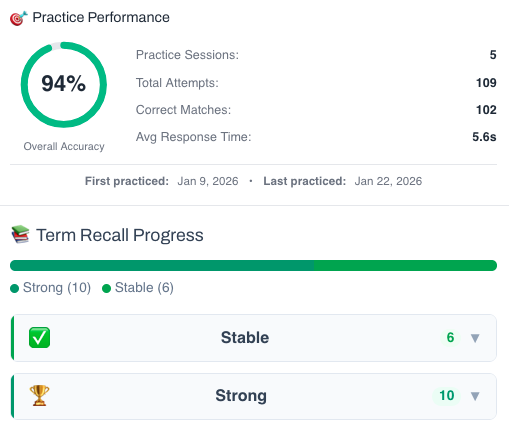
This isn’t a simple quiz — it’s a fully tracked learning system. You build knowledge through recognition, then recall, and your progress feeds directly into the Integrated Practice Bar (Writing tasks, AI Chat, and more).
- Practice sessions, accuracy, and response-time tracking
- Term strength levels (Learning → Stable → Strong)
- Personal progress history for each unit
This feature is available to YSP members.
Explore Membership BenefitsMember-Exclusive Practice Bar
Access a wide range of integrated practice for this unit — from Vocabulary and Grammar activities to AI-curated Writing tasks and Thematic Chat practice.
This feature is available to YSP members.
Explore Membership BenefitsThe Many Faces of Get Through – Vocabulary Practice 3
Member-Exclusive Cloze Test
Fill in the gaps to complete authentic passages and reinforce your vocabulary in context.
This feature is available to YSP members.
Explore Membership BenefitsThe Many Faces of Get Through – Vocabulary Practice 4
Member-Exclusive Cloze Test
Fill in the gaps to complete authentic passages and reinforce your vocabulary in context.
This feature is available to YSP members.
Explore Membership BenefitsSentence Scrambler
The Many Faces of Get Through – Sentence Scramblers
Member-Exclusive Sentence Builder
Reconstruct scrambled sentences to practice word order and develop your grammar intuition.
This feature is available to YSP members.
Explore Membership Benefits