Getting Around: Transport and Travel Vocabulary
Core PathWay
1 Everyday Travel Actions
You have chosen to learn about Road, Rail & Air Transport and ways of Getting About, let’s get started. Every day, people need to move from one place to another. You can catch a bus at a bus stop or take a taxi when you need a faster ride. Sometimes you miss the train because you arrive late. Before you travel, you need to buy a ticket for your journey. You can ride a bike to work or drive a car if you have one. When you arrive, you get on the vehicle, and when you finish, you get off.
2 Vehicles on the Road
Many different vehicles use roads every day. A car is small and carries a few people. A bus is much bigger and carries many passengers. A taxi takes you where you want to go for money. A truck carries heavy things from place to place. A van is smaller than a truck and can carry goods or people. An SUV is a large car that works well on rough roads. A motorcycle has two wheels and an engine. Sometimes there is a traffic jam when many cars move very slowly. Rush hour is the busy time with lots of traffic.
3 Rail and Air Transport
A train is a vehicle that runs on tracks. You wait for trains at the platform in a train station. A tram is like a small train that uses rails in city streets. A metro is an underground train in big cities. When you travel by air, you use a plane that flies through the sky. A helicopter is a different aircraft with rotating blades on top. You start your flight at an airport where planes take off and land. You need a boarding pass to enter the plane. Sometimes your flight is delayed and arrives late.
4 Transport Places and Safety
Different types of transport need different places. You leave your car in a parking lot when you arrive somewhere. Buses stop at a bus stop to pick up passengers. Trains arrive and depart from a train station. Planes use an airport for taking off and landing. When you travel in a car, you must wear a seat belt for safety. This strap keeps you safe if there is an accident. Public transport means buses, trains, and trams that everyone can use.
5 Special Vehicles
Some vehicles help people in emergencies. An ambulance is a special vehicle for sick or injured people. A police car is used by police officers to keep people safe. A fire truck is a big vehicle for fighting fires. These vehicles can use loud sirens and move quickly through traffic. They are very important for helping people who need urgent help.
6 Water Transport and Small Vehicles
Not all transport is on roads or in the air. A boat is a vehicle that travels on water. A ship is a very large boat for sea travel. Some people use small vehicles for short trips. A bicycle has two wheels and you move it by pedaling. A scooter is a small vehicle with two wheels and a platform. A skateboard is a board with wheels for riding and doing tricks. These small vehicles are good for short distances in the city.
Member-Exclusive Vocabulary Review & Acquisition System
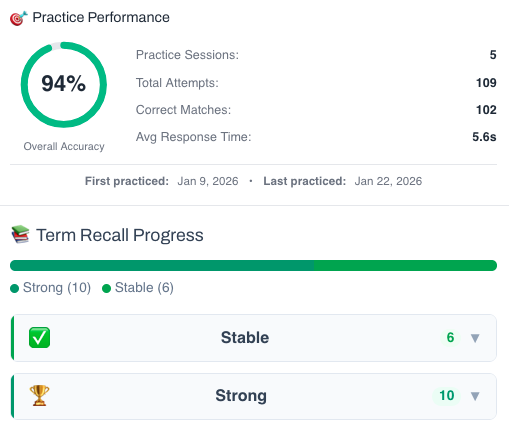
This isn’t a simple quiz — it’s a fully tracked learning system. You build knowledge through recognition, then recall, and your progress feeds directly into the Integrated Practice Bar (Writing tasks, AI Chat, and more).
- Practice sessions, accuracy, and response-time tracking
- Term strength levels (Learning → Stable → Strong)
- Personal progress history for each unit
This feature is available to YSP members.
Explore Membership BenefitsMember-Exclusive Sentence Builder
Reconstruct scrambled sentences to practice word order and develop your grammar intuition.
This feature is available to YSP members.
Explore Membership Benefits