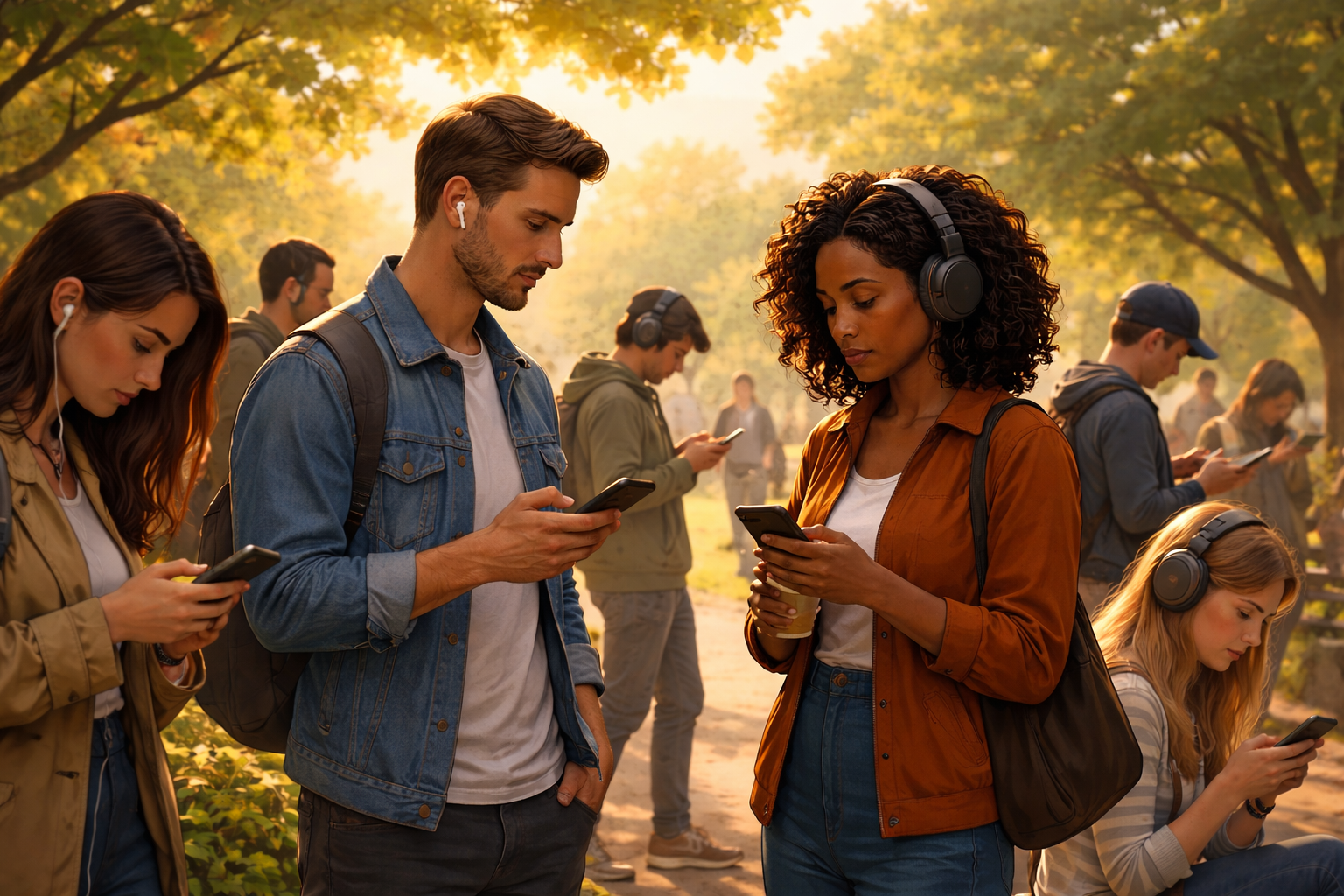
Are We Losing the Art of Talking to Strangers?
This article explores whether the decline in casual conversation with strangers in public spaces is a problem or simply a natural evolution in social behavior.
🎧 Are We Losing the Art of Talking to Strangers?
🎧 Comprehension Check
Comprehension Check: Small Talk and Social Connection
Answer the questions based on what you heard in the audio.
According to the audio, what has happened to small talk in public spaces?
Why does the audio suggest that some conversations can overstep boundaries?
What does the audio recommend doing first when you want to break the ice with someone?
According to the audio, what can brief exchanges with strangers remind us of?
Based on the audio, why should we lower the stakes when starting a conversation?
What should you do if someone wants to duck out of a conversation?
What does the audio imply about social norms and cultural context?
According to the audio, what is the key to navigating casual conversations?
What does the audio say about reading too much into a polite refusal?
Why does the audio suggest that taking a chance on a friendly comment might be worth it?
What is the main message the audio conveys about casual conversation in public spaces?
Which of these two summaries best captures the main points of the audio?
📰 The Quiet Carriage: Are We Losing the Art of Talking to Strangers? (B1/B2)
Test Your Understanding & Learn Vocabulary
Answer each question to reveal its vocabulary explanation:
What does ‘strike up a conversation’ mean?
In the sentence ‘The decline in small talk has multiple causes, and technology is only part of the story’, what does ‘small talk’ mean?
What does ‘break the ice’ mean?
In the sentence ‘Sometimes taking a chance on a friendly comment is worth the punt’, what does ‘take a chance on’ mean?
What are ‘social cues’?
In the sentence ‘Lower the stakes by commenting on something shared and neutral’, ‘lower the stakes’ means to…
What does ‘overstep a boundary’ mean?
In the sentence ‘Perhaps the question isn’t whether to give up on casual conversation entirely, but how to navigate it thoughtfully’, what does ‘navigate’ mean?
‘Cope with’ could be replaced with which phrase?
What does ‘give up on’ mean?
In the sentence ‘These small moments help us practice social skills and remind us of our shared humanity’, what does ‘shared humanity’ mean?
What does ‘weigh up’ mean?
In the sentence ‘If someone wants to duck out of the exchange, get over it and back up gracefully’, what does ‘duck out of’ mean?
What does ‘take for granted’ mean?
In the sentence ‘Don’t read too much into a polite refusal’, what does ‘read too much into’ mean?
‘Brighten someone’s day’ means to…
What does ‘worth the punt’ mean?
What does ‘make eye contact’ mean?
In the sentence ‘If someone wants to duck out of the exchange, get over it and back up gracefully’, what does ‘get over it’ mean?
In the sentence ‘If someone wants to duck out of the exchange, get over it and back up gracefully’, ‘back up’ means to…
Member-Exclusive Vocabulary Review & Acquisition System
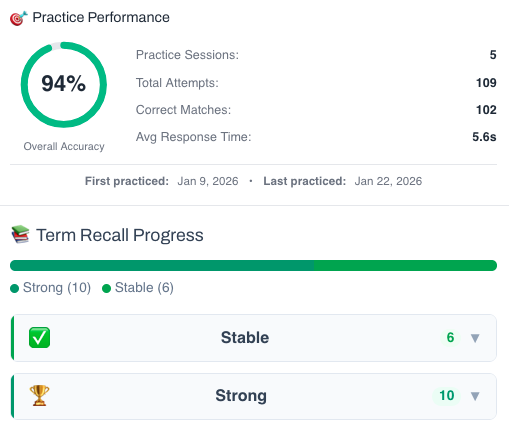
This isn’t a simple quiz — it’s a fully tracked learning system. You build knowledge through recognition, then recall, and your progress feeds directly into the Integrated Practice Bar (Writing tasks, AI Chat, and more).
- Practice sessions, accuracy, and response-time tracking
- Term strength levels (Learning → Stable → Strong)
- Personal progress history for each unit
This feature is available to YSP members.
Explore Membership Benefits
Member-Exclusive Practice Bar
Access a wide range of integrated practice for this unit — from Vocabulary and Grammar activities to AI-curated Writing tasks and Thematic Chat practice.
This feature is available to YSP members.
Explore Membership Benefits