Fly Fishing Fundamentals: Your Complete Beginner’s Guide
Core PathWay
1 Section 1. Essential Equipment and Terminology
Fly fishing is different from other types of fishing because you use very light artificial flies to catch fish.
The most important piece of equipment is your fly rod, which is a long, flexible rod that helps you cast the line. Unlike regular fishing rods, fly rods are designed to bend smoothly during the casting motion. The fly line is a special thick line that has weight, which allows you to throw the lightweight fly through the air. At the end of the fly line, you attach a thin, clear section called the leader, which connects to your artificial fly. This leader is important because fish can see thick lines easily, so the thin leader makes your fly look more natural in the water.
When you stand on the riverbank and watch the water, you need to understand how the current moves. The artificial fly is a small hook decorated with feathers, fur, or synthetic materials that looks like an insect or small creature that fish eat. These flies are carefully made to copy real insects that live near rivers and lakes.
Before you start fishing, you should also wear appropriate clothing such as waterproof boots and a hat to protect you from the sun. Many fly fishers also use a vest with pockets to carry extra flies, leaders, and other small tools they might need during the day.
Key Terms
2 Section 2. Casting Techniques and River Fishing Principles
Learning the correct casting technique is essential if you want to become a successful fly fisher.
The basic cast involves moving your rod back and forth in a smooth motion to make the line travel through the air. You start with the rod pointing forward, then you lift it quickly backward until it reaches about one o’clock position behind you. After a short pause to let the line straighten out behind you, you move the rod forward again to about ten o’clock position in front. This forward and backward motion creates a loop in the line that carries your fly to where you want it to land. The key is to use your wrist and forearm, not your whole arm, which gives you better control.
When your fly lands on the water, you need to think about the drift. This means allowing your fly to move naturally with the current, just like a real insect would float downstream. If your fly moves too fast or in an unnatural way, fish will not be interested in it. To achieve a good drift, you should position yourself carefully on the riverbank and manage your line so it does not pull the fly in the wrong direction.
River fishing requires patience and observation. Before you cast, spend time watching the water to see where fish might be feeding. Look for rising fish, which create small circles on the water surface when they eat insects. You should also notice how fast the current is moving in different parts of the river, because this will affect how your fly behaves.
Key Terms
3 Section 3. Flies, Rods, and Fishing Strategies
Choosing the right equipment and understanding different fly types will help you catch more fish and enjoy your time on the water.
There are three main categories of artificial flies, and each one is used in different situations. The rod you select depends on the size of the river and the type of fish you want to catch. Your fishing strategy should change based on the time of day, the season, and the weather conditions. Let’s explore these important aspects in detail.
dry fly
- I prefer to use a dry fly on sunny days when insects are flying above the river.
- The dry fly landed gently on the water and a trout took it immediately.
rod weight
- A 5-weight rod is perfect for most river trout fishing because it is not too heavy or too light.
- You should use a 7-weight or 8-weight rod if you are fishing in the ocean for larger species.
match the hatch
- If you see small brown insects on the water, you should match the hatch by using a similar artificial fly.
- When you match the hatch correctly, fish are much more likely to bite your fly.
Key Terms
4 Section 4. Practical Tips, Safety, and Environmental Considerations
Fly fishing is a wonderful way to connect with nature, but you must always think about safety and environmental protection.
When you fish from a riverbank or wade into the water, wear proper footwear with good grip because wet rocks can be very slippery. You should never fish alone in remote areas, and always tell someone where you are going and when you plan to return. Check the weather forecast before you leave home, because rivers can rise quickly during heavy rain and become dangerous. If you are fishing in strong sunlight, protect your skin with sunscreen and wear polarized sunglasses, which also help you see fish in the water more clearly.
Respecting the environment is extremely important. Many fly fishers practice catch and release, which means they return fish to the water after catching them. If you decide to do this, handle fish gently with wet hands and remove the hook quickly to avoid injuring them. Never leave any rubbish on the riverbank, and be careful not to damage plants or disturb wildlife. Some rivers have special rules about fishing seasons and protected areas, so you must check local regulations before you start fishing.
As you develop your skills, you might want to join a local fly fishing club where you can meet experienced fishers who will share their knowledge. Reading books and watching instructional videos can also help you improve your casting technique and learn about different fishing strategies. However, the best way to learn is simply to spend time on the water, practicing your skills and enjoying the peaceful environment that fly fishing offers.
Member-Exclusive Practice Bar
Access a wide range of integrated practice for this unit — from Vocabulary and Grammar activities to AI-curated Writing tasks and Thematic Chat practice.
This feature is available to YSP members.
Explore Membership BenefitsMember-Exclusive Vocabulary Review & Acquisition System
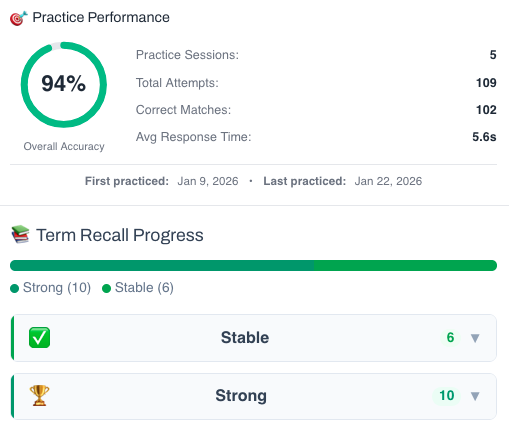
This isn’t a simple quiz — it’s a fully tracked learning system. You build knowledge through recognition, then recall, and your progress feeds directly into the Integrated Practice Bar (Writing tasks, AI Chat, and more).
- Practice sessions, accuracy, and response-time tracking
- Term strength levels (Learning → Stable → Strong)
- Personal progress history for each unit
This feature is available to YSP members.
Explore Membership Benefits🎮 Practice Games
Section 1 – Fill in the Gaps
Fly Fishing Fundamentals: Your Complete Beginner’s Guide – Section 1
Member-Exclusive Cloze Test
Fill in the gaps to complete authentic passages and reinforce your vocabulary in context.
This feature is available to YSP members.
Explore Membership BenefitsSection 2 – Fill in the Gaps
Fly Fishing Fundamentals: Your Complete Beginner’s Guide – Section 2
Member-Exclusive Cloze Test
Fill in the gaps to complete authentic passages and reinforce your vocabulary in context.
This feature is available to YSP members.
Explore Membership BenefitsSentence Scrambler
Fly Fishing Fundamentals: Your Complete Beginner’s Guide – Sentence Scramble
Member-Exclusive Sentence Builder
Reconstruct scrambled sentences to practice word order and develop your grammar intuition.
This feature is available to YSP members.
Explore Membership Benefits