🎙 Facts That Are Always True
Present Simple: Facts“Deal With”
Use the present simple to say facts and general truths. Avoid the most common mistakes Italian speakers make with this structure.
🚌 On the go
Press play once and listen to the whole episode: the welcome, the grammar, the word focus and the story. Perfect for the bus, the car or a walk.
One button, the whole episode. Good for the bus, the car or a walk.
🧩 Piece by piece
Take your time. Listen to one part at a time, then open Read and replay line by line to hear any sentence again.
Welcome
Josie: “Hello and welcome to the YouSpeakPlus Audio Cast. I am Josie.”
Marco: “And I am Marco. Good to be here.”
Josie: “Today we look at facts. Things that are always true. We use the present simple for those. For example: water boils at one hundred degrees.”
Marco: “And we look at a very useful expression: deal with. It has more than one meaning.”
Josie: “Then we have a story. Two people at work. They talk about their jobs and their company.”
Marco: “Ready? Let us start.”
Part 1 · Grammar
Josie: “Hello Marco. Good to see you. Today we look at facts. Things that are always true. Not just today. Always. Listen to this. Water boils at one hundred degrees. That is a fact. It was true yesterday. It is true today. It will be true tomorrow.”
Marco: “Yes. That is always true. Not just today. It does not change.”
Josie: “Exactly. For facts like that, we use the present simple. Always. Not just now. The verb stays the same because the fact stays the same. So the verb does not change with time.”
Marco: “OK. So when do I use it? Can you give me more examples?”
Josie: “Of course. Listen to these four. The sun rises in the east. Rome is in Italy. The Earth goes around the sun. Life is difficult sometimes. All present simple. All facts. All true every day.”
Marco: “All facts. All true every day. I can see the pattern. The verb is simple. No -ing. No will.”
Josie: “Right. Yesterday, today, tomorrow. The fact does not change. So the verb does not change. Now let us look at the pattern. How do you build the sentence?”
Marco: “OK. So what is the pattern? How do I build the sentence?”
Josie: “Simple. Subject, then verb. For he, she, it, add an S to the verb. Listen. The Earth goes. The sun rises. Water boils. One thing, so we add S. That is the rule for he, she, it.”
Marco: “And for I, you, we, they? No S?”
Josie: “No S. Listen. People are different in every country. Dogs need water. I like music. No S there. People, dogs, and I are not he, she, or it. So no S.”
Marco: “Good. Now I want to try. Paris is the capital of France.”
Josie: “Perfect. That is a fact. It does not change. Paris is always the capital of France. Now try two more. Think about animals or nature.”
Marco: “Dogs have four legs. Fish live in water.”
Josie: “Both correct. Notice you said live, not lives. Dogs and fish are plural. More than one. So no S. That is right. Now try two more. Think about babies or the moon.”
Marco: “OK. Babies need milk. And the moon goes around the Earth.”
Josie: “Yes. Both great. Babies need. More than one baby, so no S. The moon goes. One moon, so you add S. You are getting this. Try one more. Think about something in daily life.”
Marco: “One more. Music makes people happy.”
Josie: “Excellent. That is a general truth. Music is one thing, so you add S to make. Music makes. You used it perfectly. Now I want to show you two classic mistakes. Listen carefully.”
Josie: “First mistake. The earth go around the sun. What is wrong there?”
Marco: “Oh. No S on go? But the earth is one thing. So we need goes.”
Josie: “Right. The earth is one thing. So we need goes. The earth goes around the sun. Say it with me. The earth goes around the sun.”
Marco: “The earth goes around the sun. I need to remember that S. One thing, add S.”
Josie: “Good. Now the second mistake. Listen. The life is difficult. What sounds wrong?”
Marco: “Hmm. We say the life? That sounds wrong to me now. Is it because life is a general word?”
Josie: “Yes. No the here. For general facts, we do not use the. Life is difficult. Not the life. Life here means all life, everywhere. It is general. So no the. Say it. Life is difficult.”
Marco: “Life is difficult. Not the life. And music, not the music. No the for general words.”
Josie: “Exactly. No the for general truths. You have it. So today, remember three things. Use the present simple for facts that are always true. Add S for he, she, it. And no the before general words like life or music.”
Marco: “Present simple for facts. S for he, she, it. No the. Got it. Those are my three rules.”
Josie: “Good work today, Marco. Now go and find three facts in your life. Say them out loud. Check your S. Check your the. That is your practice.”
Part 2 · Word focus
Josie: “OK Marco, new word today. Two words, actually. Deal with. Listen to this sentence. I need to deal with this problem. What do you think that means?”
Marco: “Hmm. To fix the problem? To do something about it?”
Josie: “Exactly right. Deal with means to handle something. To take action. Listen to two examples. I need to deal with this problem today. She deals with difficult situations every day at work. Both sentences use deal with to mean handle — to do something about a problem.”
Marco: “OK. So deal with is like handle. You do something about the problem.”
Josie: “Yes. Handle and deal with are very close in meaning. Now notice the S in that second example. She deals with. One person, so we add S. That is the present simple rule — one person, add S to the verb.”
Marco: “Right. She deals with. One person, add S. Got it. Is there another meaning?”
Josie: “Yes. Deal with also means to be about a topic. We use this for books, films, and articles. Listen. This book deals with life in Italy. That film deals with war. Here, deal with means the book or film is about that subject.”
Marco: “So the book is about that topic. The book deals with it. That is interesting. It is a different meaning from the first one.”
Josie: “Right. Same words, different meaning. Context tells you which one. Now a third meaning. We use this in work or business. Listen. We deal with many customers every day. My company deals with big orders. Here, deal with means you work with people or things as part of your job.”
Marco: “So deal with customers means you work with them. You talk to them, you help them.”
Josie: “Yes. You work with them. You handle their needs. Now one more meaning. This one is about feelings. Listen. It is hard to deal with bad news. He finds it difficult to deal with stress. Here, deal with means to manage a difficult feeling.”
Marco: “Hmm. So deal with stress means to manage it. To live with it, maybe.”
Josie: “Good. To manage a hard feeling over time. That is a great way to say it. Now, a very common phrase. You hear this a lot in everyday conversation. I will deal with it later. This means I will handle it, but not right now.”
Marco: “I will deal with it later. Yes, I say that a lot in Italian. Good to know the English for it.”
Josie: “Now, the trap. Many Italian learners say deal about. Listen to this wrong sentence. I need to deal about this problem. That is wrong. The correct word is with. Say the correct sentence now.”
Marco: “I need to deal with this problem. With, not about. I need to remember that.”
Josie: “Good. Always with. Deal with. Not deal about, not deal of. Just deal with. Say it one more time.”
Marco: “Deal with. Deal with. OK. With. Always with.”
Josie: “Perfect. Now a quick check. I say a sentence. You tell me the meaning. Ready? The manager deals with all the complaints.”
Marco: “That is at work. He handles the complaints. He takes action.”
Josie: “Right. Next one. This documentary deals with climate change.”
Marco: “The documentary is about that topic. It covers climate change.”
Josie: “Good. Last one. She finds it hard to deal with being alone.”
Marco: “That is a feeling. She finds it difficult to manage. To live with it.”
Josie: “Three for three. Well done. So remember this: deal with goes with problems, topics, customers, and feelings. And always with. Not about, not of. Just with. Use it today. Find one thing to deal with.”
- to take action on a problem or situation and handle it I need to deal with this problem today.
- to be about a topic or subject (for a book, film, article) This book deals with life in ancient Rome.
- to do business with someone or work with a person or company We deal with a lot of customers every day.
- to manage a difficult feeling or hard situation over time It is hard to deal with bad news.
Part 3 · Story
Josie: “Now here is a story that puts everything together. Listen for the present simple. And listen for the phrase deal with. Here we go.”
Nina: “Sara works at a small company in Milan. She starts a new job on Monday. A man named Dan sits at the desk next to her.”
Nina: “Dan looks up and smiles. He says: Good morning. I am Dan. I work in logistics. What about you?”
Nina: “Sara says: I am Sara. Nice to meet you. I work in customer service. I deal with all the complaints that come in.”
Nina: “Dan nods. He says: That sounds like a busy job. Our company gets a lot of complaints on Mondays. People always write in after the weekend.”
Nina: “Sara laughs. She says: Yes, Monday is always the hardest day. But I like it. Every complaint is different.”
Nina: “Dan says: So what does your team do exactly? How big is it? Sara says: There are four of us. Each person deals with about twenty messages a day.”
Nina: “Dan looks surprised. He says: Twenty a day? That is a lot. Sara shrugs. She says: It is normal for us. The company sells to customers all over Europe, so the messages come in every day.”
Nina: “Dan says: Interesting. My job is different. I deal with our suppliers. I make sure the orders arrive on time.”
Nina: “Sara asks: Where are your suppliers based? Dan says: Most of them are in Germany and Spain. One big supplier is in Poland. They send us about fifty orders a week.”
Nina: “Sara says: Fifty a week. That is a lot to manage. Dan says: Yes. And when something goes wrong, I deal with it straight away. I call the supplier and we fix the problem together.”
Nina: “Sara says: I do the same with customers. When a customer is angry, I stay calm. I listen first. Then I find a solution.”
Nina: “Dan says: That is a good way to work. He pauses. Then he says: So tell me one more thing. What does this company actually make?”
Nina: “Sara says: We make office furniture. Desks, chairs, shelves. The company sells to businesses, not to people at home. That is the rule here.”
Nina: “Dan says: Right. And the head office is in Rome, yes? Sara says: Yes. Rome is the head office. We are the Milan team. There are about thirty people here.”
Nina: “Dan says: Good to know. He looks at his screen. Then he says: I have a problem right now, actually. A supplier sends the wrong size every time. It is a big headache.”
Nina: “Sara says: How do you deal with that? Dan says: I send an email every week. But the problem stays. I need a new plan.”
Nina: “Sara thinks for a moment. She says: Call them. Do not email. A phone call works better for problems like that. People listen more on the phone.”
Nina: “Dan smiles. He says: You know, that is a good idea. I always email. But you are right. I will call them today. Sara says: Good. And if you need help, I am right here.”
Nina: “Dan laughs. He says: Great. I think we are going to work well together. Sara smiles and goes back to her screen. Monday is already better than she expected.”
Josie: “Now listen to the story one more time. Listen for the present simple. You will hear it eight times. And listen for deal with. You will hear it four times. Ready? Here is the story again.”
Nina: “Sara works at a small company in Milan. She starts a new job on Monday. A man named Dan sits at the desk next to her.”
Nina: “Dan looks up and smiles. He says: Good morning. I am Dan. I work in logistics. What about you?”
Nina: “Sara says: I am Sara. Nice to meet you. I work in customer service. I deal with all the complaints that come in.”
Nina: “Dan nods. He says: That sounds like a busy job. Our company gets a lot of complaints on Mondays. People always write in after the weekend.”
Nina: “Sara laughs. She says: Yes, Monday is always the hardest day. But I like it. Every complaint is different.”
Nina: “Dan says: So what does your team do exactly? How big is it? Sara says: There are four of us. Each person deals with about twenty messages a day.”
Nina: “Dan looks surprised. He says: Twenty a day? That is a lot. Sara shrugs. She says: It is normal for us. The company sells to customers all over Europe, so the messages come in every day.”
Nina: “Dan says: Interesting. My job is different. I deal with our suppliers. I make sure the orders arrive on time.”
Nina: “Sara asks: Where are your suppliers based? Dan says: Most of them are in Germany and Spain. One big supplier is in Poland. They send us about fifty orders a week.”
Nina: “Sara says: Fifty a week. That is a lot to manage. Dan says: Yes. And when something goes wrong, I deal with it straight away. I call the supplier and we fix the problem together.”
Nina: “Sara says: I do the same with customers. When a customer is angry, I stay calm. I listen first. Then I find a solution.”
Nina: “Dan says: That is a good way to work. He pauses. Then he says: So tell me one more thing. What does this company actually make?”
Nina: “Sara says: We make office furniture. Desks, chairs, shelves. The company sells to businesses, not to people at home. That is the rule here.”
Nina: “Dan says: Right. And the head office is in Rome, yes? Sara says: Yes. Rome is the head office. We are the Milan team. There are about thirty people here.”
Nina: “Dan says: Good to know. He looks at his screen. Then he says: I have a problem right now, actually. A supplier sends the wrong size every time. It is a big headache.”
Nina: “Sara says: How do you deal with that? Dan says: I send an email every week. But the problem stays. I need a new plan.”
Nina: “Sara thinks for a moment. She says: Call them. Do not email. A phone call works better for problems like that. People listen more on the phone.”
Nina: “Dan smiles. He says: You know, that is a good idea. I always email. But you are right. I will call them today. Sara says: Good. And if you need help, I am right here.”
Nina: “Dan laughs. He says: Great. I think we are going to work well together. Sara smiles and goes back to her screen. Monday is already better than she expected.”
Member-Exclusive Practice Bar
Access a wide range of integrated practice for this unit — from Vocabulary and Grammar activities to AI-curated Writing tasks and Thematic Chat practice.
This feature is available to YSP members.
Explore Membership BenefitsMember-Exclusive Vocabulary Review & Acquisition System
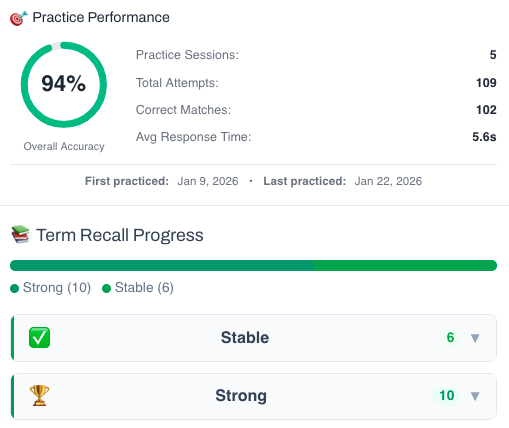
This isn’t a simple quiz — it’s a fully tracked learning system. You build knowledge through recognition, then recall, and your progress feeds directly into the Integrated Practice Bar (Writing tasks, AI Chat, and more).
- Practice sessions, accuracy, and response-time tracking
- Term strength levels (Learning → Stable → Strong)
- Personal progress history for each unit
This feature is available to YSP members.
Explore Membership Benefits