Adjectives: Forming opposites with prefixes
Describing the World: Essential Adjectives and Their Opposites
Core PathWay
1 Feelings and States: Happy ↔ Unhappy
Let’s start with adjectives that describe how we feel.
When something good happens, we feel happy. When something bad happens, we feel unhappy. Look at how we make the opposite:
happy → unhappy
The prefix un- makes the opposite meaning. It’s very common in English.
More examples with un-:
• comfortable ↔ uncomfortable
The chair is comfortable. = The chair feels good.
The chair is uncomfortable. = The chair feels bad.
• kind ↔ unkind
She is kind to animals. = She is nice to animals.
He was unkind to me. = He was not nice to me.
• lucky ↔ unlucky
I’m lucky today! = Good things happened to me.
He’s unlucky. = Bad things happened to him.
• safe ↔ unsafe
This street is safe at night. = No danger here.
That bridge is unsafe. = There is danger there.
• healthy ↔ unhealthy
Fruit is healthy food. = Good for your body.
Cake is unhealthy food. = Not good for your body.
Key Terms
💬 Dialogue 1: Describing a New Apartment
Two friends, Emma and Tom, meet at a coffee shop. Tom moved to a new apartment last week and Emma wants to hear all about it.
2 Possibility and Ability: Possible ↔ Impossible
Some adjectives talk about what we can do or what can happen.
Look at these words. They use different prefixes:
• possible ↔ impossible
It’s possible to learn English fast. = You can do it.
It’s impossible to fly without a plane. = You cannot do it.
• patient ↔ impatient
She is patient with children. = She waits and doesn’t get angry.
He is impatient in traffic. = He doesn’t like waiting.
• polite ↔ impolite
Say ‘please’ and ‘thank you’. That’s polite. = Good manners.
Don’t shout at people. That’s impolite. = Bad manners.
• complete ↔ incomplete
My homework is complete. = I finished it all.
This form is incomplete. = You didn’t finish it.
• dependent ↔ independent
A baby is dependent on its mother. = It needs help.
She is independent now. = She doesn’t need help.
Key Terms
💬 Dialogue 2: Planning a Meeting Time
Two colleagues, Sarah and Mike, are trying to arrange a meeting to finish a project report. They’re talking in the office corridor on Monday morning.
3 Honesty and Fairness: Honest ↔ Dishonest
These adjectives describe if something is right or wrong.
• honest ↔ dishonest
An honest person tells the truth. = They don’t lie.
A dishonest person lies. = They don’t tell the truth.
• fair ↔ unfair
The test was fair. = Everyone had the same chance.
The game was unfair. = Some people had a better chance.
Notice the prefix dis- in dishonest. This prefix is less common, but important.
Verbs with dis- prefix:
We also use dis- with some verbs:
• like ↔ dislike
I like coffee. = Coffee is good for me.
I dislike tea. = Tea is not good for me.
• agree ↔ disagree
I agree with you. = I think the same thing.
I disagree with Tom. = I don’t think the same thing.
• appear ↔ disappear
The sun appears in the morning. = You can see it.
The sun disappears at night. = You cannot see it.
Key Terms
4 Style and Cost: Formal ↔ Informal
These adjectives describe how something looks or how much it costs.
• formal ↔ informal
A suit is formal clothing. = For serious situations.
Jeans are informal clothing. = For relaxed situations.
• expensive ↔ inexpensive
The car is expensive. = It costs a lot of money.
The phone is inexpensive. = It doesn’t cost a lot of money.
Important note about ‘cheap’:
Many learners say ‘cheap’ for the opposite of expensive. But be careful!
cheap = costs little money (but sometimes means bad quality)
inexpensive = costs little money (neutral, not negative)
Compare:
‘This watch is cheap.’ = Maybe it’s bad quality.
‘This watch is inexpensive.’ = It costs little, but it’s good.
Key Terms
5 Practice: Using Opposites in Real Situations
Now let’s see these adjectives in real conversations.
At a restaurant:
Emma: ‘This chair is very uncomfortable. Can we move?’
Tom: ‘Sure. That table looks better.’
Emma: ‘Perfect! This chair is much more comfortable.’
At the office:
Sarah: ‘Is it possible to finish this today?’
Mike: ‘No, it’s impossible. We need more time.’
Sarah: ‘OK, let’s finish it tomorrow.’
Shopping:
Customer: ‘This jacket is too expensive for me.’
Shop assistant: ‘We have some inexpensive jackets over there.’
Customer: ‘Great! I’ll look at those.’
Talking about people:
Tom: ‘My new boss is very patient. She explains everything slowly.’
Emma: ‘You’re lucky! My old boss was very impatient.’
At home:
Mike: ‘I disagree with this news story.’
Sarah: ‘Really? I agree with it completely.’
6 Quick Reference: All Opposites Together
Here are all the opposite pairs from this lesson:
With un- prefix:
• happy ↔ unhappy
• comfortable ↔ uncomfortable
• kind ↔ unkind
• lucky ↔ unlucky
• safe ↔ unsafe
• healthy ↔ unhealthy
• fair ↔ unfair
With im- prefix:
• possible ↔ impossible
• patient ↔ impatient
• polite ↔ impolite
With in- prefix:
• complete ↔ incomplete
• dependent ↔ independent
• expensive ↔ inexpensive
• formal ↔ informal
With dis- prefix:
• honest ↔ dishonest
And with some verbs too:
• like ↔ dislike
• agree ↔ disagree
• appear ↔ disappear
Member-Exclusive Practice Bar
Access a wide range of integrated practice for this unit — from Vocabulary and Grammar activities to AI-curated Writing tasks and Thematic Chat practice.
This feature is available to YSP members.
Explore Membership BenefitsMember-Exclusive Vocabulary Review & Acquisition System
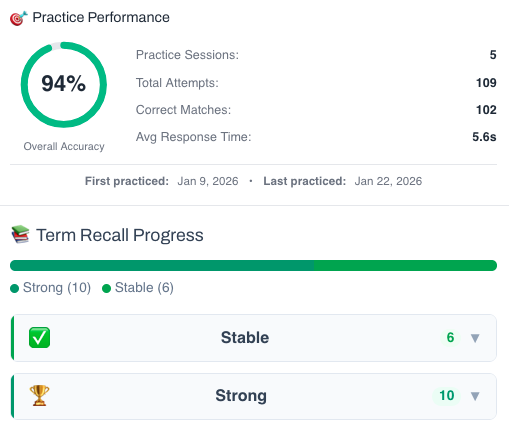
This isn’t a simple quiz — it’s a fully tracked learning system. You build knowledge through recognition, then recall, and your progress feeds directly into the Integrated Practice Bar (Writing tasks, AI Chat, and more).
- Practice sessions, accuracy, and response-time tracking
- Term strength levels (Learning → Stable → Strong)
- Personal progress history for each unit
This feature is available to YSP members.
Explore Membership Benefits🎮 Practice Games
Member-Exclusive Sentence Builder
Reconstruct scrambled sentences to practice word order and develop your grammar intuition.
This feature is available to YSP members.
Explore Membership Benefits