Stating & Supporting Your Opinions: A Complete Guide
Core PathWay
1 🌐 Introduction
Sharing your opinion is a basic part of everyday conversation. When you talk with friends, family, or colleagues, you often say what you think about things. Maybe you talk about food, movies, weather, or work. To do this well, you need special words and phrases. This lesson shows you the most important language for stating your opinion, asking others what they think, and supporting your ideas with simple reasons. Learning these phrases will help you join conversations and express yourself clearly in English. You will feel more confident when you share your thoughts!
💬 Dialogue 1: Choosing a Restaurant
Two friends decide where to eat dinner
2 📋 Lexical Categories
Here are the essential words and phrases you need to give and support your opinions. We organize them into six groups to help you learn them easily.
GROUP 1: Starting Your Opinion (8 terms)
I think = words you say before you give your idea about something
I think pizza is delicious.
in my opinion = a phrase that means ‘this is what I believe’
In my opinion, summer is the best season.
I believe = words that show you feel something is true
I believe we need more time.
for me = words that show this is your personal feeling
For me, reading is more fun than watching TV.
to be honest = words you use when you want to say what you really think
To be honest, I don’t like that restaurant.
personally = a word that means ‘this is my own opinion’
Personally, I prefer tea to coffee.
I feel = words you use to share your emotion or belief about something
I feel this is the right choice.
it seems to me = a phrase that means ‘I think this is true’
It seems to me that the weather is getting warmer.
GROUP 2: Asking for Opinions (7 terms)
what do you think = question words to ask someone for their opinion
What do you think about this movie?
do you agree = question words to ask if someone thinks the same as you
Do you agree with my idea?
what’s your opinion = question words to ask what someone believes
What’s your opinion about the new park?
how do you feel about = question words to ask someone’s thoughts or emotions
How do you feel about working on Saturday?
what about you = words to ask someone the same question
I like chocolate. What about you?
don’t you think = question words to suggest your opinion and ask if others agree
Don’t you think it’s too cold today?
do you like = simple question words to ask someone’s preference
Do you like this song?
GROUP 3: Agreeing and Disagreeing (8 terms)
I agree = words that mean ‘I think the same’
I agree with you completely.
I disagree = words that mean ‘I don’t think the same’
I disagree because it’s too expensive.
you’re right = words that show someone’s opinion is correct
You’re right, we should leave now.
that’s true = words that show you accept what someone said
That’s true, but I still want to try.
I don’t think so = words that show you believe something different
I don’t think so. It looks difficult.
exactly = a word that shows you agree completely
Exactly! That’s what I think too.
maybe = a word that shows you partly agree or are not sure
Maybe, but I need more information.
not really = words that show you disagree in a polite way
Not really, I prefer the other option.
GROUP 4: Making Your Opinion Stronger (7 terms)
definitely = a word that means ‘yes, for sure’
I definitely want to go to the party.
absolutely = a word that means ‘yes, completely’
I absolutely love this book.
really = a word that makes your feeling stronger
I really don’t like cold weather.
completely = a word that means ‘in every way’
I completely agree with your plan.
totally = a word that means ‘in all ways’
That’s totally wrong.
certainly = a word that shows you are very sure
This is certainly the best choice.
probably = a word that means ‘I think this is true but I’m not 100% sure’
It will probably rain tomorrow.
GROUP 5: Supporting Your Opinion (7 terms)
because = a word you use before you give your reason
I like summer because it’s warm.
so = a word that shows the result of something
I was tired, so I went to bed early.
that’s why = words that introduce your reason
The food is good. That’s why I come here.
the reason is = words you use before you explain why
I can’t come. The reason is I have work.
for example = words you use before you give a specific case
I like sports, for example, football and tennis.
like = a word you use before you give an example
I enjoy activities like swimming and running.
such as = words you use to introduce examples
I like fruits such as apples and oranges.
GROUP 6: Preference Verbs (5 terms)
prefer = a verb that means ‘like one thing more than another’
I prefer coffee to tea.
enjoy = a verb that means ‘get pleasure from something’
I enjoy reading books.
love = a verb that shows you like something very much
I love Italian food.
hate = a verb that shows you really don’t like something
I hate waiting in long lines.
can’t stand = words that mean ‘really don’t like’
I can’t stand loud music.
Key Terms
💬 Dialogue 2: Discussing Weekend Plans
Two colleagues talk about their weekend at the office
3 🔗 Common Collocations & Idioms
Here are some common phrases English speakers use when they give and discuss opinions. These are like word partnerships that always go together!
good idea = words that show you think a suggestion is smart or helpful
Going to the park is a good idea.
bad idea = words that show you think a suggestion is not smart
Driving in this rain is a bad idea.
makes sense = words that mean ‘this is logical and I understand it’
Your plan makes sense to me.
fair point = words that show someone said something reasonable
That’s a fair point, but I still disagree.
I see what you mean = words that show you understand someone’s opinion
I see what you mean, but I think differently.
Key Terms
💬 Dialogue 3: Talking About a Movie
Two friends discuss a movie they watched
4 👀 Grammar Spotlight
When you share opinions, certain grammar patterns appear again and again.
First, use I think + simple sentence to state your belief. I think this restaurant is expensive.
Second, use because + reason to support your opinion. I like this city because it’s clean.
Third, use I prefer + noun or verb-ing to show your choice. I prefer walking to driving.
Fourth, ask What do you think about + noun to get someone’s opinion. What do you think about this idea?
Fifth, use modal verbs like should, could, and might to make suggestions. We should try the new café.
Finally, use simple comparatives to compare things. This book is more interesting than that one. These patterns will make your opinions sound natural and clear!
5 😊 Expressive Range
When you use a wide range of opinion phrases, you become a much more interesting speaker! Instead of always saying ‘I think,’ you can say in my opinion, personally, or to be honest. This makes you sound more natural. When you support your ideas with because, for example, and that’s why, people understand your thinking better. When you agree or disagree politely using phrases like you’re right, maybe, or I see what you mean, conversations become friendlier. Strong words like definitely, absolutely, and really help people understand how you feel. Mix all these elements together, and you will express yourself with confidence and variety. Your English will sound more like a native speaker!
🎮 Practice
Member-Exclusive Vocabulary Review & Acquisition System
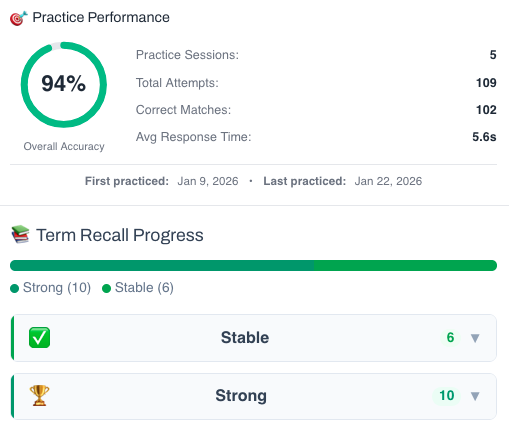
This isn’t a simple quiz — it’s a fully tracked learning system. You build knowledge through recognition, then recall, and your progress feeds directly into the Integrated Practice Bar (Writing tasks, AI Chat, and more).
- Practice sessions, accuracy, and response-time tracking
- Term strength levels (Learning → Stable → Strong)
- Personal progress history for each unit
This feature is available to YSP members.
Explore Membership BenefitsMember-Exclusive Practice Bar
Access a wide range of integrated practice for this unit — from Vocabulary and Grammar activities to AI-curated Writing tasks and Thematic Chat practice.
This feature is available to YSP members.
Explore Membership BenefitsMember-Exclusive Sentence Builder
Reconstruct scrambled sentences to practice word order and develop your grammar intuition.
This feature is available to YSP members.
Explore Membership Benefits