Verbs Followed by Infinitives: Future-Looking Actions
Core PathWay
1 Making Decisions and Plans
You have chosen to learn about 25 Important Verbs that are followed by INFINITIVES, let’s get started. Many English verbs can only be followed by an infinitive, not a gerund form. These verbs often have a future-looking aspect because they express actions that haven’t happened yet. When you decide to do something, you make a choice about future action. Similarly, when you plan to visit a friend or arrange to meet someone, you are organizing future events. The verb intend shows your purpose or goal, while prepare means you get ready for something that will happen soon. Finally, choose describes selecting one option from several possibilities.
2 Expressing Desires and Hopes
Several verbs express what we want or desire for the future. The verb want shows a strong desire for something to happen. When you hope to achieve something, you want it to happen but you are not completely certain. The verb wish is similar but often describes desires that seem impossible or unlikely. In polite situations, we use would like instead of want to sound more formal and respectful. The verb expect means you think something will probably happen based on logic or experience. The verb need is different because it expresses something necessary or required, not just desired.
3 Communication and Social Verbs
Some verbs describe how we communicate our intentions to others. When you promise to do something, you say you will definitely do it, creating trust and commitment. The verb offer means you say you will do something to help someone. However, if you refuse to do something, you say you will not do it. The verb agree shows you say yes to a suggestion or request. When you pretend to be someone or something, you act as if it is true even though it is not. These verbs all connect to social interaction and future commitments.
4 Ability, Appearance, and Achievement
The final group includes verbs about ability and how things appear. When you manage to do something, you succeed in doing something difficult despite challenges. The verb learn describes the process of getting knowledge or a new skill over time. The verb seem is unique because it describes appearance rather than action – something seems to be true based on evidence you can see or hear. These three verbs complete our list of essential infinitive-following verbs. Remember, all these verbs look forward to actions, states, or outcomes that exist in the future or in possibility.
Member-Exclusive Vocabulary Review & Acquisition System
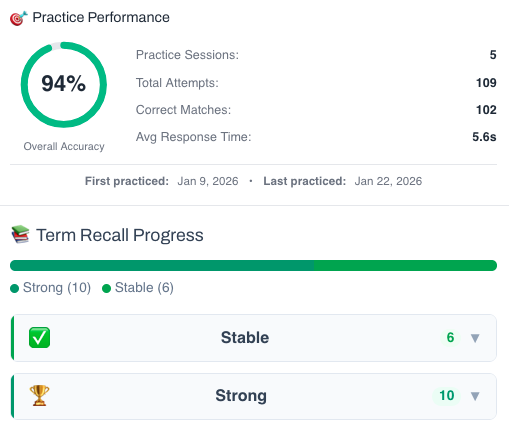
This isn’t a simple quiz — it’s a fully tracked learning system. You build knowledge through recognition, then recall, and your progress feeds directly into the Integrated Practice Bar (Writing tasks, AI Chat, and more).
- Practice sessions, accuracy, and response-time tracking
- Term strength levels (Learning → Stable → Strong)
- Personal progress history for each unit
This feature is available to YSP members.
Explore Membership BenefitsMember-Exclusive Sentence Builder
Reconstruct scrambled sentences to practice word order and develop your grammar intuition.
This feature is available to YSP members.
Explore Membership Benefits