State Verbs for Describing Quantities, Composition, and Meaning
Core PathWay
1 Section 1. Talking About Size, Amount, and Capacity
Let’s start with verbs that help us talk about measurements and amounts. When two things are the same in size or value, we say they equal each other. For example, ‘The two boxes equal the same weight.’ We also use hold to describe how much something can contain – ‘The bus can hold 50 people.’ When we talk about length or time, we use span. ‘His career spans over 30 years.’ To describe reaching a level or point, we use reach. ‘Temperatures can reach 40°C in summer.’ If something goes above a limit, we say it exceeds it. ‘The cost cannot exceed £100.’ When a number is close but not exact, we use approximate. ‘The distance approximates 10 kilometres.’ To talk about the final number when we add everything, we use total. ‘The bill totals $45.’ Finally, average shows a typical middle value. ‘She averages 30 sales per month.’
2 Section 2. Describing Range and Variation
Now let’s look at verbs for changes and differences. We use range when something goes from a lower to a higher limit. ‘The prices range from £5 to £50.’ When things are different from each other or change depending on the situation, we use vary. ‘The weather varies a lot in this region.’ These two verbs are very useful in reports and descriptions. For example, you might say ‘Student scores range between 60 and 100′ and ‘They vary by subject.’ Remember: range is about the limits, vary is about being different.
3 Section 3. Composition and Characteristics
When we describe what something is made of or what features it has, we use several state verbs. Consist means something is made up of parts. ‘The team consists of five members.’ Constitute means to form part of something. ‘Women constitute 60% of the staff.’ To say something has a quality permanently, use possess. ‘She possesses great patience.’ When something shows a quality or behaviour, we say it exhibits. ‘The patient exhibits signs of improvement.’ Finally, form means to make up a part or the whole. ‘These three departments form the core of the company.’
4 Section 4. Evidence and Meaning
Some state verbs help us talk about what facts or behaviour show. Reflect means to show a situation or quality. ‘His calm voice reflects his confidence.’ Indicate is stronger – it means to be a clear sign. ‘The dark clouds indicate rain.’ Suggest is weaker – it means to be a possible sign. ‘The data suggests a change in trend.’ Imply is similar to suggest but often about hidden meaning. ‘Her silence implies she disagrees.’ Use these verbs to explain what you understand from evidence.
5 Section 5. Connection and Situation
Finally, we have verbs for linking things and describing problems. Relate means to be connected. ‘This issue relates to safety.’ Face means to be in a difficult situation that you must deal with. ‘The company faces a serious challenge.’ These verbs are common in discussions and problem-solving. For example, a manager might say ‘We face a budget cut’ and ‘This relates to our earlier decision.’ Practice using them to describe connections and challenges in your own life.
Member-Exclusive Practice Bar
Access a wide range of integrated practice for this unit — from Vocabulary and Grammar activities to AI-curated Writing tasks and Thematic Chat practice.
This feature is available to YSP members.
Explore Membership BenefitsMember-Exclusive Vocabulary Review & Acquisition System
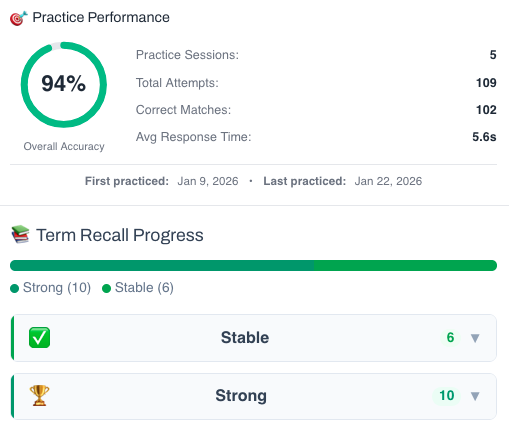
This isn’t a simple quiz — it’s a fully tracked learning system. You build knowledge through recognition, then recall, and your progress feeds directly into the Integrated Practice Bar (Writing tasks, AI Chat, and more).
- Practice sessions, accuracy, and response-time tracking
- Term strength levels (Learning → Stable → Strong)
- Personal progress history for each unit
This feature is available to YSP members.
Explore Membership Benefits