Airport Safety Self-Inspection
Core PathWay
1 Key Vocabulary
You are going to hear these terms in the article – make sure you know what they mean. hazardous, ensuring, pavement areas, safety areas, markings, signs, lighting, aircraft rescue, firefighting, fuelling operations, navigational aids, ground vehicles, impediments, public protection, animal hazard management, quarterly, an accident, an incident, edges, general housekeeping, fissures, loading ramps, ruts, humps, overlooked
2 Airport Safety Self-Inspection
The Stories
Airport Safety Self-Inspection
Some hazardous situations happen very fast. Others happen slowly. Airport workers must check the airport every day. They look for problems. Then they fix them. This is called a self-inspection program. It helps keep the airport safe.
The airport owner or manager is responsible for ensuring safety. They must check many things. These things are: pavement areas, safety areas, markings, signs, lighting, aircraft rescue, firefighting, fuelling operations, navigational aids, ground vehicles, impediments, public protection, and animal hazard management. They also check construction, and snow and ice control.
There are four types of inspections. First, regularly scheduled inspections happen every day. They happen when there is little aircraft activity. At night, workers must also inspect during darkness.
Second, continuous surveillance means workers check the area any time they are there. Problems can happen at any time.
Third, periodic inspections happen not every day but regularly. They can be weekly, monthly, or quarterly.
Fourth, special inspections happen after a complaint, a big weather event, an accident, or an incident. They also happen after construction work. Workers must do a special inspection before construction people leave.
Now we talk about what to inspect. First, lighting is very important for night and low visibility. Lights are on the pavement or along its edges. Inspect them when it is dark. Check the airport's lights. Also watch lights from other owners and report problems.
Second, navigational aids (NAVAIDS) help pilots. Check the airport's NAVAIDS. Watch NAVAIDS from others like FAA and report problems.
Third, fueling operations. Check for safety and fire rules. Look at storage and mobile fuelers. Check security, fire protection, general housekeeping, and fuel distribution.
Fourth, paved and unpaved areas. Check pavement areas every day before flights. Look for cracks or problems.
Here is a checklist. For runway pavement, look for fissures (cracks). Big cracks can affect aircraft control. Report and watch them.
For foreign object debris (FOD), check and remove things like mud, dirt, sand, rubber from movement zones, aircraft parking areas, and loading ramps.
For runway safety areas, the pavement must be clean. No ruts, humps, or other dangerous surface problems.
For vehicle roadway signs, put stop signs where roads meet runways or taxiways. Use the same signs everywhere.
For taxiway edge markings, they separate the taxiway from other pavement. A continuous double-yellow edge stripe means do not cross. Remove old markings.
Inspection techniques: Do not use the same pattern every time. Change who does inspections. Use digital systems to record when and who did the inspection. This stops problems from being overlooked.
Final thoughts: Some hazardous situations happen fast. Others happen slowly. Airport workers must have a good self-inspection program. They should also do longer inspections every quarter (quarterly), every six months, and every year. This ensures nothing is overlooked.
3 Get Ready to Speak
Talk about these questions with your teacher or classmates.
1. Do you think airport inspections are important? Why?
2. Have you ever been to an airport? What did you see?
3. If you work at an airport, what would you check first?
4. Is it better to check the same places every day or change the order? Why?
5. What problems can happen if workers do not inspect carefully?
6. Would you like to do airport safety inspections? Why or why not?
Member-Exclusive Practice Bar
Access a wide range of integrated practice for this unit — from Vocabulary and Grammar activities to AI-curated Writing tasks and Thematic Chat practice.
This feature is available to YSP members.
Explore Membership BenefitsMember-Exclusive Vocabulary Review & Acquisition System
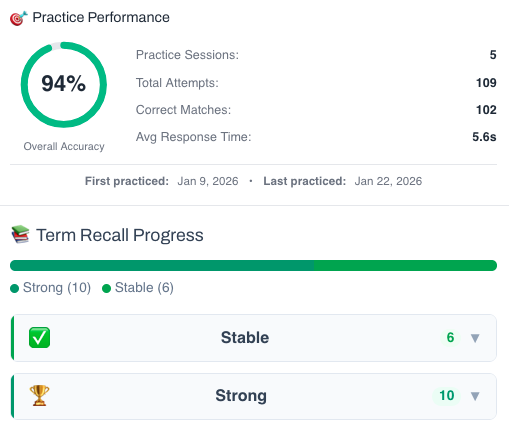
This isn’t a simple quiz — it’s a fully tracked learning system. You build knowledge through recognition, then recall, and your progress feeds directly into the Integrated Practice Bar (Writing tasks, AI Chat, and more).
- Practice sessions, accuracy, and response-time tracking
- Term strength levels (Learning → Stable → Strong)
- Personal progress history for each unit
This feature is available to YSP members.
Explore Membership Benefits