Understanding the Tendering Process: A Buyer's Guide
Core PathWay
1 What Is a Tender? The Buying Process Explained
When you buy something small, you can just choose and pay. But when a government office or public organization needs to buy something big, they cannot just choose. They must follow special rules. This is called procurement.
A tender is a formal written offer. A company writes down their price and what they can do. They send this offer to the organization. The organization is called the contracting authority. The contracting authority reads all the offers. Then they choose the best one. This process is fair because all companies have the same chance.
The tender process has clear stages. First, the contracting authority writes a contract notice. This tells everyone that they want to buy something. Next, they write a specification. This document says exactly what they need. Then companies become bidders – they prepare their tenders and send them before the submission deadline. After that, the contracting authority reads all the tenders. They use evaluation criteria to compare them. Finally, they award the contract to one bidder. There is also a standstill period – a waiting time before signing. This gives unsuccessful bidders time to ask questions.
Some purchases are very big. When the value is above a threshold (a limit amount), special European rules apply. The contracting authority must follow strict procedures. They might use an open procedure where anyone can bid, or a restricted procedure where they choose bidders first through pre-qualification.
2 Key Terms: The Professional Language of Tendering
Let’s look at the most important words you need. These are the terms professionals use every day.
When we talk about choosing the best tender, we often say MEAT. This means Most Economically Advantageous Tender. It is not just about the lowest price. The contracting authority looks at quality and price together. They want good value, not just cheap prices.
Sometimes a tender is very big. The contracting authority can divide it into smaller parts. Each part is called a lot. Different companies can bid for different lots. This helps smaller companies – they do not need to bid for everything.
A framework agreement is useful for regular purchases. The contracting authority makes one big agreement with one or more suppliers. Later, when they need something, they call-off – they place a specific order using that agreement. They do not need to run a new tender each time.
Sometimes the contracting authority is not sure exactly what they need. They can use competitive dialogue. This means they talk with bidders first. They discuss different solutions. Then they ask for final tenders.
During the process, bidders often need more information. They send a clarification – a question about something in the documents. The contracting authority answers these questions for everyone.
Sometimes several companies work together. They form a consortium – a group that submits one tender together. This helps them offer more services.
If a tender does not follow all the rules in the documents, it is non-compliant. The contracting authority cannot accept it. Rules are very important in public procurement.
Some bidders cannot participate at all. There are exclusion grounds – legal reasons to say no. For example, if a company has serious criminal convictions or bankruptcy problems.
Sometimes a bidder offers something different from the specification. This is a variant bid – an alternative solution. The contracting authority must say in the documents if variant bids are allowed.
After the award decision, unsuccessful bidders can ask for debriefing. The contracting authority explains why their tender was not selected. This feedback helps bidders improve for next time.
3 At the Tender Meeting: Planning the Procurement
Sarah walked into the meeting room with her notebook. She was the procurement manager for the city council. Today’s meeting was important – they needed to plan a new tender for office furniture.
“Good morning everyone,” Sarah began. “We need to start the procurement process for new furniture. The budget is 250,000 euros, so we are above the threshold. We must follow the full EU rules.”
Marco, the finance officer, asked a question. “Will we use an open procedure?”
“Yes,” Sarah replied. “Any company can submit a tender. We will not do pre-qualification this time. But we need to write very clear evaluation criteria. We want quality furniture, not just the cheapest price. We will use MEAT – Most Economically Advantageous Tender.”
Jen from the legal team spoke next. “I will check the exclusion grounds. We must make sure all bidders are legally okay to participate. And we need to set a clear submission deadline.”
“Good,” said Sarah. “Now, let’s talk about lots. Should we divide this tender into parts? Maybe one lot for desks, one lot for chairs, one lot for storage?”
Marco agreed. “Yes, that helps smaller companies. A small furniture maker can bid for just chairs. They do not need to supply everything.”
“Excellent,” Sarah said. “Next, the specification. What exactly do we need? We must write this very carefully. If a tender is non-compliant because our specification was unclear, that is our problem.”
Jen made a note. “I will prepare the contract notice next week. We will publish it on the official portal. And I will write a section about clarifications – bidders can send questions up to ten days before the deadline.”
“Perfect,” Sarah smiled. “After we receive all tenders, we evaluate them. Then we award the contract. But remember – we must have a standstill period of at least ten days before signing. Unsuccessful bidders can ask for debriefing during that time.”
The team worked for another hour. They discussed whether to allow variant bids and whether a consortium could participate. By the end, they had a clear plan. The tender process would start next month.
4 Practice Task: Write a Professional Email
Now you can practice. Write an email using the tender language you learned.
5 Recap: Your Tender Process Toolkit
You now know the basic language of tendering from the buyer’s side. You learned what makes tendering different from simple purchasing – it is a formal, fair process with clear rules.
You can describe the main stages: publishing a contract notice, writing a specification, receiving tenders from bidders before the submission deadline, evaluating using evaluation criteria, and finally awarding the contract after a standstill period.
You know the key procedures: open procedure (anyone can bid) and restricted procedure (only selected bidders). You understand pre-qualification, lots, and framework agreements with call-off orders.
You can explain evaluation methods like MEAT and special processes like competitive dialogue. You know about clarifications, consortiums, variant bids, and why tenders must not be non-compliant.
You also learned about exclusion grounds, debriefing, and the importance of thresholds in public procurement.
This vocabulary helps you work confidently in procurement teams. You can read tender documents, participate in planning meetings, and write professional emails about the process. Keep practicing these terms – they are the foundation of professional procurement communication.
Member-Exclusive Practice Bar
Access a wide range of integrated practice for this unit — from Vocabulary and Grammar activities to AI-curated Writing tasks and Thematic Chat practice.
This feature is available to YSP members.
Explore Membership BenefitsMember-Exclusive Vocabulary Review & Acquisition System
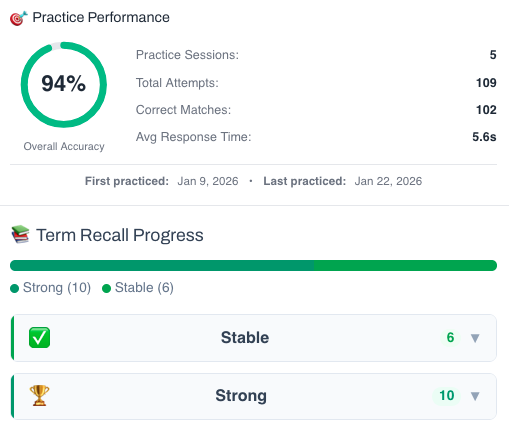
This isn’t a simple quiz — it’s a fully tracked learning system. You build knowledge through recognition, then recall, and your progress feeds directly into the Integrated Practice Bar (Writing tasks, AI Chat, and more).
- Practice sessions, accuracy, and response-time tracking
- Term strength levels (Learning → Stable → Strong)
- Personal progress history for each unit
This feature is available to YSP members.
Explore Membership Benefits🎮 Practice Games
Sentence Scrambler
The basic stages and terms of the Tendering process [buyers side] – Sentence Scramble
Member-Exclusive Sentence Builder
Reconstruct scrambled sentences to practice word order and develop your grammar intuition.
This feature is available to YSP members.
Explore Membership Benefits