”]
Tenders & Procurement: Essential Vocabulary
Core PathWay
1 The Basics: What Happens in Procurement
Want to talk confidently about tenders and procurement? It starts with these words. Procurement is the process of finding, agreeing terms, and buying goods or services from an external source. When a government department or large company needs to buy something, they often publish a contract notice. This is the official published advertisement announcing that a tender opportunity is available. Any company interested in the work can read this notice. A tender is a formal written offer to supply goods or services at a stated price. Companies prepare these offers carefully because they want to win the contract. The organization that publishes the notice is called the contracting authority. This is the public body or organization that issues a tender and will sign the contract. A company that submits a tender is called a bidder. Sometimes several bidders compete for the same contract.
2 How Organizations Choose Suppliers
The contracting authority needs a clear way to choose the best bidder. First, they write a specification. This is a detailed description of the requirements that goods or services must meet. The specification tells bidders exactly what to offer. The authority also sets evaluation criteria. These are the standards and methods used to assess and compare tenders. Some authorities use MEAT as their evaluation method. MEAT means Most Economically Advantageous Tender, an award method considering quality and price together. This is different from just choosing the cheapest option. Every tender has a submission deadline. This is the final date and time by which tenders must be received. If a bidder sends their tender late, the authority will reject it. After evaluating all tenders, the authority will award the contract. To award means to officially give a contract to a selected bidder after evaluation.
3 Different Procurement Procedures
There are different ways to run a procurement process. In an open procedure, any interested supplier can submit a tender without pre-selection. This is the most transparent method. However, in a restricted procedure, only pre-selected suppliers are invited to tender. The authority first checks which companies are capable. This checking stage is called pre-qualification. It is an initial selection process to identify capable bidders before inviting full tenders. Sometimes the authority uses competitive dialogue. This is a procurement procedure where the authority discusses solutions with bidders before requesting final tenders. It is useful for complex projects. Large contracts often have a threshold. This is the financial value above which specific procurement rules and procedures must be followed. Above this value, authorities must follow strict legal requirements.
4 Special Arrangements and Options
Some procurement processes have special features. A framework agreement is a general contract with one or more suppliers that sets terms for future specific purchases. The authority does not buy everything at once. Instead, they call-off items when needed. To call-off means to place a specific order under an existing framework agreement or contract. Large tenders are sometimes divided into smaller parts. Each part is called a lot. A lot is a separate part or package within a larger tender that can be bid for independently. Small companies can bid for just one lot instead of the whole contract. Sometimes bidders want to offer something different. They can submit a variant bid. This is an alternative tender that differs from the specified requirements but may offer better value. Small companies sometimes form a consortium. This is a group of companies that join together to submit a single tender. Working together, they can compete for larger contracts.
5 Rules, Questions, and Final Steps
During the tender process, bidders often have questions. They can request a clarification. This is a question or explanation requested during the tender process to resolve uncertainties. The authority must answer fairly so all bidders have the same information. Some bidders cannot participate because of legal problems. These are called exclusion grounds. They are legal reasons why a bidder cannot participate in a procurement, such as criminal convictions or bankruptcy. A tender that does not follow the rules is non-compliant. This means failing to meet the mandatory requirements set out in the tender documents. Non-compliant tenders are rejected. After the authority decides who wins, there is a standstill period. This is a mandatory waiting time between announcing the award decision and signing the contract. It gives unsuccessful bidders time to challenge the decision if they think it was unfair. Finally, unsuccessful bidders can ask for a debriefing. This is feedback given to unsuccessful bidders explaining why their tender was not selected. Good debriefing helps companies improve their future tenders.
Member-Exclusive Practice Bar
Access a wide range of integrated practice for this unit — from Vocabulary and Grammar activities to AI-curated Writing tasks and Thematic Chat practice.
This feature is available to YSP members.
Explore Membership BenefitsMember-Exclusive Vocabulary Review & Acquisition System
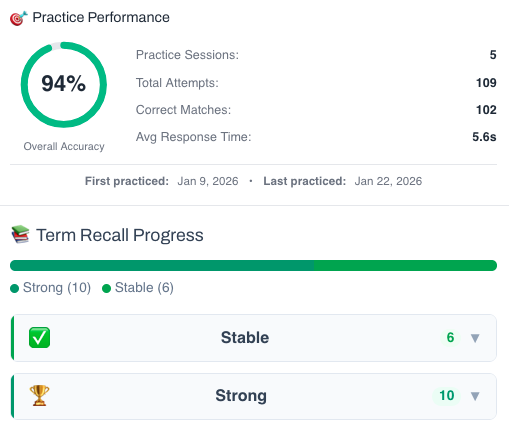
This isn’t a simple quiz — it’s a fully tracked learning system. You build knowledge through recognition, then recall, and your progress feeds directly into the Integrated Practice Bar (Writing tasks, AI Chat, and more).
- Practice sessions, accuracy, and response-time tracking
- Term strength levels (Learning → Stable → Strong)
- Personal progress history for each unit
This feature is available to YSP members.
Explore Membership Benefits🎮 Practice Games
Sentence Scrambler
Tenders & Procurement [Primer Pack] – Sentence Scramble
Member-Exclusive Sentence Builder
Reconstruct scrambled sentences to practice word order and develop your grammar intuition.
This feature is available to YSP members.
Explore Membership Benefits