Core Cooking Actions: Heat and Preparation
Core PathWay
1 Why Cooking Verbs Matter
Imagine you find a delicious recipe online, but you don’t understand the instructions. What does it mean to simmer the sauce? Should you roast the vegetables or grill them? These cooking verbs are essential because they tell you exactly how to prepare food. Each verb describes a different cooking method, and using the wrong one can change your dish completely. If you boil meat instead of roasting it, the taste and texture will be very different!
Today, we’re going to prepare a classic tomato pasta dish together. As we cook, you’ll learn the most important cooking verbs in English. You’ll understand when to use each verb and how to give clear cooking instructions. This knowledge will help you follow any recipe confidently, whether it’s from a cookbook, a website, or a cooking show. By the end of this lesson, you’ll be able to describe cooking processes clearly and write your own recipe instructions using the correct verbs.
We’ll focus on two types of verbs: heat-based cooking methods (like fry, bake, and steam) and preparation actions (like chop, slice, and peel). These verbs work together in every recipe. First, you prepare the ingredients, then you cook them using heat. Let’s start our cooking journey!
2 Heat-Based Cooking Methods
Different cooking methods use heat in different ways. Understanding these differences helps you choose the right method for each ingredient. Let’s explore three fundamental heat-based cooking verbs that you’ll use in almost every recipe.
boil
- Boil the pasta in salted water for 10 minutes.
- You need to boil water before you add the vegetables.
fry
- Fry the onions gently until they become soft and golden.
- Heat the oil in a pan, then fry the chicken for 5 minutes on each side.
steam
- Steam the broccoli for 5 minutes to keep it healthy and green.
- You can steam fish over boiling water instead of frying it in oil.
Key Terms
3 Preparing Tomato Pasta: Step by Step
Now let’s cook together! I’m going to show you how to make a simple tomato pasta dish. As we prepare it, you’ll see how cooking verbs work in real instructions.
First, boil water in a large pot. Add some salt to the water – this gives the pasta flavour. While the water is heating, prepare your ingredients. Take two onions and chop them into small pieces. You don’t need perfect squares, just cut them small enough to cook quickly. Next, take three cloves of garlic, peel them, and chop them finely. Garlic burns easily, so we chop it small so it cooks fast.
Now heat the oil in a large frying pan over medium heat. When the oil is warm, add your chopped onions. Fry gently for about 5 minutes. You want them soft and golden, not brown or burned. Stir them regularly with a wooden spoon so they cook evenly. When the onions are soft, add the chopped garlic and fry for one more minute. The smell will be wonderful!
Add a can of chopped tomatoes to the pan. Mix everything together well. Then add a pinch of salt, some black pepper, and a teaspoon of sugar. The sugar balances the acid in the tomatoes. Stir well and let the sauce cook gently while your pasta boils. This is called simmering – the sauce should bubble very gently, not boil hard.
By now, your water should be boiling. Add the pasta and boil it for the time shown on the packet – usually 10-12 minutes. Stir it occasionally so it doesn’t stick together. When the pasta is ready, drain it in a colander in the sink. Don’t rinse it! Just shake the colander to remove the water.
Finally, add the drained pasta to your tomato sauce. Mix ingredients together gently so every piece of pasta is covered with sauce. Taste it and add more salt if you need to. Serve immediately with some fresh basil leaves on top. You’ve just used more than ten different cooking verbs to create a delicious meal! Each verb described a specific action, and following them in order gave you a perfect result.
4 Preparation Verbs: Getting Ingredients Ready
Before you can cook anything, you need to prepare your ingredients. These preparation verbs are just as important as cooking verbs. Let’s look at three essential actions you’ll use in almost every recipe.
chop
- Chop the onions into small pieces before you fry them.
- You can chop the tomatoes roughly – they don’t need to be perfect.
slice
- Slice the cucumber thinly for the salad.
- Slice the bread into thick pieces for toast.
peel
- Peel the potatoes before you boil them.
- You need to peel and chop three carrots for this soup.
Key Terms
5 Practice: Write Recipe Instructions
Now it’s your turn to write clear recipe instructions using the cooking verbs you’ve learned.
- You need to cut the vegetables into small pieces.
- The water should be heated until bubbles appear.
- It’s necessary to remove the skin from the potatoes.
- The pasta must have the water removed after cooking.
- You should combine the sauce and pasta together.
- The onions need to be cooked in oil until soft.
6 What You’ve Learned
You’ve now learned the essential cooking vocabulary you need to follow recipes and give cooking instructions in English. You can distinguish between different heat-based methods: boiling uses water at 100°C, frying uses hot oil in a pan, and steaming uses hot vapor. You also know when to use baking, roasting, and grilling for different types of food.
You’ve practised the key preparation verbs that appear in every recipe. You know that chopping creates pieces of any size, slicing creates thin, flat pieces, and peeling removes the outer skin. You can use mix and stir correctly, and you understand the difference between them. You also know how to drain pasta and other foods after cooking.
Most importantly, you can now form clear imperative instructions like a real recipe: ‘Boil the water’, ‘Chop the onions’, ‘Fry gently for 5 minutes’. These simple commands are the foundation of all recipe writing. You’ve also learned useful verb combinations like peel and chop, heat the oil, and stir well that make your instructions sound natural and professional.
Next time you read a recipe in English, you’ll understand exactly what each instruction means. You’ll know the difference between methods and you’ll be able to follow the steps confidently. You can also write your own recipes now, using the correct verbs to describe each stage of preparation and cooking. Keep practising these verbs whenever you cook – they’ll soon become automatic!
🎮
Use the VAS to build solid recognition and recall of the terms below.
✔ Every correct Match = +1 point
✔ Every correct Recall = +2 points
🎓 Reach 5 points with good accuracy and the term is automatically promoted to your Personal Dictionary.
Incorrect answers lower accuracy, meaning more correct Matches or Recalls may be needed to reach promotion.
Member-Exclusive Vocabulary Review & Acquisition System
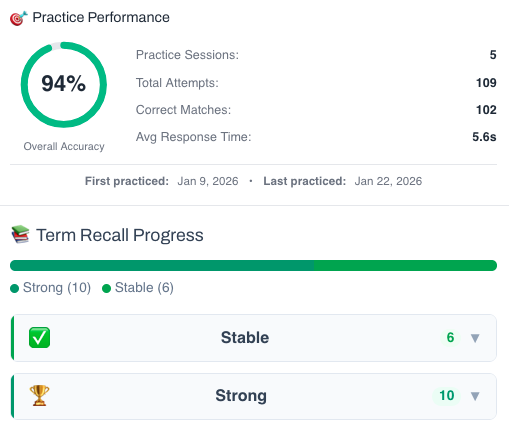
This isn’t a simple quiz — it’s a fully tracked learning system. You build knowledge through recognition, then recall, and your progress feeds directly into the Integrated Practice Bar (Writing tasks, AI Chat, and more).
- Practice sessions, accuracy, and response-time tracking
- Term strength levels (Learning → Stable → Strong)
- Personal progress history for each unit
This feature is available to YSP members.
Explore Membership BenefitsMember-Exclusive Practice Bar
Access a wide range of integrated practice for this unit — from Vocabulary and Grammar activities to AI-curated Writing tasks and Thematic Chat practice.
This feature is available to YSP members.
Explore Membership BenefitsMember-Exclusive Sentence Builder
Reconstruct scrambled sentences to practice word order and develop your grammar intuition.
This feature is available to YSP members.
Explore Membership Benefits