26 Really Common Adjectives for Everyday Use
Core PathWay
1 How You Feel
Let’s continue with the language of everyday feelings and states to build on page 1. The words we will see help you talk about yourself every single day. When you feel you need to sleep or rest, you are tired. Maybe you worked all day or you played football for two hours. Your body needs rest. When you feel you need to eat food, you are hungry. Your stomach feels empty. You want breakfast, lunch, or dinner. When you feel you need to drink something, you are thirsty. Maybe the weather is hot. You want water or juice. When you are not well and your body does not feel good, you are sick. You have a cold or your stomach hurts. You need to rest at home. These four words describe how your body feels. You use them many times every week. They are very important for talking about your needs.
2 Your Time and Schedule
Now let’s talk about time and what you can do. When you have a lot of things to do and not much free time, you are busy. You have work, meetings, and tasks. You cannot relax. When you have time and you are not busy, you are free. You can meet friends or watch a film. You can choose what to do. When you are prepared and can start doing something now, you are ready. You finished your preparation. You can begin. When something happens after the correct or usual time, it is late. The train was late. You arrived at work late. When something happens before the usual or expected time, it is early. You woke up early. The shop opened early today. These five words help you talk about your schedule and your day.
3 Doors, Shops, and Containers
These two words are partners – they are opposites. When a door, window, shop, or container is not closed, it is open. You can go inside the shop. You can look through the window. The box is open and you can see what is inside. When a door, window, shop, or container is not open, it is closed. The shop is closed on Sunday. The window is closed because it is cold outside. The bottle is closed with a cap. You use these words every day when you go shopping or move around your town.
4 How Things Look and Sound
Now let’s describe what you see and hear. When something is pleasant and you like it, it is nice. A nice day. A nice person. Nice food. This is a very common word. When something is very nice to look at or listen to, it is beautiful. A beautiful garden. Beautiful music. A beautiful painting. When something is not nice to look at, it is ugly. An ugly building. Ugly shoes. When something is not dirty and has no dirt or marks on it, it is clean. Clean clothes. A clean kitchen. Clean hands. When something is not clean and has dirt or marks on it, it is dirty. Dirty shoes after you walked in the rain. A dirty plate after dinner. When there is not much noise or sound, it is quiet. A quiet library. A quiet street at night. When something makes a lot of noise, it is loud. Loud music at a party. A loud voice. These words help you describe your environment every day.
5 Physical Qualities
These words describe the physical qualities of things and people. When someone has a lot of physical power or force, they are strong. A strong man can lift heavy boxes. Strong wind can break trees. When someone does not have much physical power or force, they are weak. A weak person cannot carry many bags. Weak coffee has not much taste. When something weighs a lot and is difficult to lift or carry, it is heavy. A heavy suitcase. Heavy rain. When something does not weigh much and is easy to lift or carry, it is light. A light bag. A light jacket for spring. When something is covered with water or another liquid, it is wet. Wet hair after a shower. Wet streets after rain. Your clothes are wet. When something is not wet and has no water or liquid on it or in it, it is dry. Dry clothes. Dry skin. The road is dry now. These adjectives help you describe objects, weather, and physical states clearly.
Member-Exclusive Practice Bar
Access a wide range of integrated practice for this unit — from Vocabulary and Grammar activities to AI-curated Writing tasks and Thematic Chat practice.
This feature is available to YSP members.
Explore Membership Benefits🎧 Audio Review – Module 1384 – More Essential Adjectives
Member-Exclusive Vocabulary Review & Acquisition System
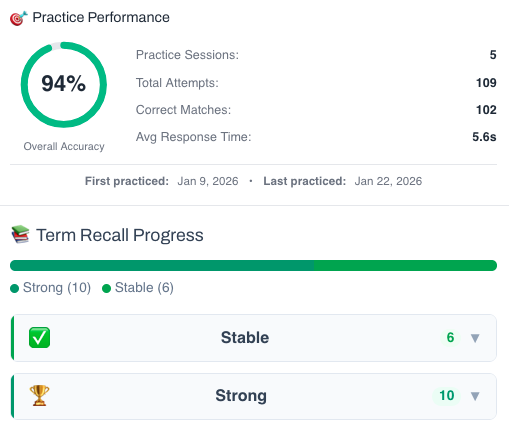
This isn’t a simple quiz — it’s a fully tracked learning system. You build knowledge through recognition, then recall, and your progress feeds directly into the Integrated Practice Bar (Writing tasks, AI Chat, and more).
- Practice sessions, accuracy, and response-time tracking
- Term strength levels (Learning → Stable → Strong)
- Personal progress history for each unit
This feature is available to YSP members.
Explore Membership Benefits🎮 Practice Games
Member-Exclusive Sentence Builder
Reconstruct scrambled sentences to practice word order and develop your grammar intuition.
This feature is available to YSP members.
Explore Membership Benefits