Adapting to Change: Business English with ‘Be/Get Used To’
Core PathWay
1 Section 1. Starting a New Role: Understanding Adaptation
When you change jobs or move to a new department, everything feels different at first.
Maria recently started working as a project manager after five years in sales. The transition was challenging. She said, “I’m not used to managing teams yet. In my old job, I used to work alone most of the time.” This means she feels uncomfortable with her new responsibilities because they are unfamiliar. However, after three months, she told her colleague, “I’m getting used to the new workflow now. It’s becoming easier every week.”
Adaptation is the process of becoming comfortable with new situations. In other words, it’s how we adjust to changes in our work environment. When companies introduce new systems or processes, employees need time for adaptation. During this period, people might say they are getting used to the changes. This is different from talking about past habits, which we express with ‘used to’.
Understanding these language patterns helps you describe your professional development accurately. For example, when you join a company with a different corporate culture, you need to explain how you are adjusting. The expressions ‘be used to’, ‘get used to’, and ‘used to’ each have specific meanings that we will explore in this lesson.
Key Terms
2 Section 2. Grammar Overview: Three Different Structures
Focus
- BE USED TO + noun/pronoun/gerund (-ing) = you are familiar and comfortable with something NOW
- GET USED TO + noun/pronoun/gerund (-ing) = you are BECOMING familiar and comfortable (process)
- USED TO + infinitive = past habit or state that is NO LONGER true
Rules
- BE USED TO: Use ‘am/is/are used to’ + noun OR gerund (-ing form). Example: ‘I am used to remote work’ OR ‘I am used to working remotely.’
- GET USED TO: Use ‘get/gets/getting/got used to’ + noun OR gerund (-ing form). This shows the process of adaptation. Example: ‘She is getting used to the new software.’
- USED TO: Use ‘used to’ + base verb (infinitive without ‘to’). This ONLY describes past habits. Example: ‘I used to work in marketing’ (but I don’t work there now).
Examples
- I’m used to early meetings now, but I’m not used to the new reporting system yet. I used to start work at 10 a.m. in my previous job.
- After six months, Tom got used to the corporate culture. He is used to formal communication now, although he used to prefer casual emails.
- Are you used to working from home? It took me weeks to get used to it because I used to work in an office every day.
Common mistake
Many learners confuse ‘be used to’, ‘get used to’, and ‘used to’ because they look similar. However, they have completely different meanings and grammar patterns.
The first two structures describe your comfort level with present or future situations, while ‘used to’ only talks about past habits that no longer exist. Understanding these differences is essential for discussing workplace changes professionally. Let’s examine each structure carefully with business examples.
Key Terms
3 Section 3. Deep Dive: Mastering the Differences
be used to (+ noun/gerund)
- be used to pressure
- be used to working under deadlines
- be used to it
- be used to the routine
- I’m used to handling difficult clients because I worked in customer service for years.
- She isn’t used to video conferences yet, so she feels nervous during online meetings.
get used to (+ noun/gerund)
- get used to changes
- get used to working in teams
- get used to it quickly
- getting used to the environment
- It took me three months to get used to the new workflow after the company restructured our department.
- Are you getting used to your manager’s communication style, or is it still difficult?
used to (+ infinitive)
- used to work
- used to be
- used to have
- didn’t use to
- I used to manage a small team, but now I’m responsible for the entire department.
- We didn’t use to have weekly meetings, but the new director introduced them last month.
Let’s explore each structure in detail with business contexts. Pay attention to the time focus and grammar pattern for each one.
Notice that ‘be used to’ and ‘get used to’ both describe your relationship with current or future situations, while ‘used to’ always looks backwards to the past. This distinction is crucial when you talk about career changes or workplace adaptation.
Key Terms
4 Section 4. Practical Application: Real Workplace Scenarios
Now let’s see how these structures work in authentic business situations.
James changed jobs six months ago. In his first week, he said: “I used to have my own office, but now I work in an open-plan space. I’m not used to the noise yet.” This sentence shows both his past situation and his current discomfort. After two months, he reported: “I’m getting used to the environment. It’s less distracting now.” Finally, after six months: “I’m completely used to it now. I actually prefer working with my team around me.”
Consider another example. Sarah joined a multinational company last year. She explained: “I used to work for a small family business where everyone knew each other. The corporate culture here is very different. At first, I wasn’t used to formal emails and structured meetings. However, I got used to the professional communication style quite quickly. Now I’m used to following the company procedures, and I understand why they’re important.”
These examples show how the three structures work together to tell a complete story about adaptation. When you describe your own professional development, you can use ‘used to’ to explain your previous situation, ‘get used to’ to describe the transition process, and ‘be used to’ to confirm that you are now comfortable. This combination makes your explanation clear and professional. During job interviews, this language helps you demonstrate that you can handle change successfully.
Member-Exclusive Vocabulary Review & Acquisition System
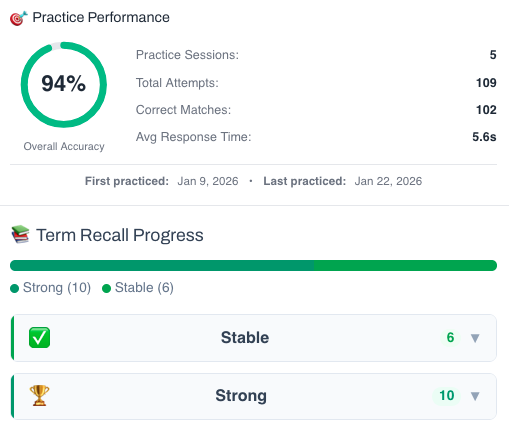
This isn’t a simple quiz — it’s a fully tracked learning system. You build knowledge through recognition, then recall, and your progress feeds directly into the Integrated Practice Bar (Writing tasks, AI Chat, and more).
- Practice sessions, accuracy, and response-time tracking
- Term strength levels (Learning → Stable → Strong)
- Personal progress history for each unit
This feature is available to YSP members.
Explore Membership Benefits🎮 Practice Games
Sentence Scrambler
Adapting to Change: Business English with ‘Be/Get Used To’ – Sentence Scramble
Member-Exclusive Sentence Builder
Reconstruct scrambled sentences to practice word order and develop your grammar intuition.
This feature is available to YSP members.
Explore Membership Benefits