Everyday Work Activities: Your Daily Routine
Core PathWay
1 Starting Your Workday
Every workday starts with similar activities. When you arrive at work, you usually go to your desk first. Then you start work by turning on your computer. Most people check emails before they do other things. This means you read new messages in your email. Some people also make coffee in the morning because they want energy for the day.
Marco arrives at the office at 9 o’clock. He says hello to his colleagues and goes to his desk. Then he turns on his computer and checks his emails. After that, he makes coffee in the break room.
💬 Dialogue 1: Morning Arrival
Marco arrives at the office and talks to his colleague Lisa at 9 o’clock in the morning
2 Working at Your Desk
During the day, you spend time at your desk doing different activities. You use the computer for many tasks. This means you work with the computer to do your job. You might work on a project, which means you do tasks for a big piece of work. Sometimes you need to print documents. This means you make paper copies of computer files. You also send a message to colleagues when you need to communicate.
Lisa works on a project all morning. She uses the computer to write a report. Then she sends a message to her team. At 11 o’clock, she prints documents for the afternoon meeting.
💬 Dialogue 2: After the Meeting
Tom and Sarah talk after they attend a team meeting at 3 o’clock in the afternoon
3 Meetings and Conversations
Meetings are an important part of work. When you attend a meeting, you go to a meeting room with other people. This means you participate in a group discussion. During the day, you also talk to colleagues. Colleagues are the people you work with. Sometimes you answer the phone when someone calls the office. This means you pick up the phone and speak to the caller.
Tom attends a meeting at 2 o’clock. He talks to colleagues about the new project. After the meeting, he goes back to his desk. Then he answers the phone and talks to a customer.
4 Taking Breaks
You cannot work all day without stopping. Workers take a break during the day. This means you stop working for a short time to rest. Most people have lunch around midday. This means you eat your lunch meal. During lunch, many workers talk to colleagues or check their personal messages. Breaks help you feel better and work better.
Marco takes a break at 10:30. He makes coffee and talks to Lisa. At 1 o’clock, he has lunch in the break room. He eats a sandwich and checks his phone. Then he goes back to work at 1:30.
5 Finishing Your Work
At the end of the day, you need to complete your tasks. When you finish a task, you complete one piece of work. This means you do all the work for that task. Before you go home, you should check your emails one more time. Then you leave the office. This means you go out of the office building and go home. Most people leave between 5 and 6 o’clock.
Sarah finishes a task at 4:30. She sends one more message to her team. Then she checks her emails for tomorrow. At 5 o’clock, she turns off her computer and leaves the office.
6 A Typical Work Day
Let’s look at Marco’s typical workday. He arrives at work at 9 o’clock and starts work immediately. First, he checks emails for 15 minutes. Then he works on a project until 10:30. He takes a break and makes coffee. After his break, he attends a meeting with his team. At 1 o’clock, he has lunch. In the afternoon, he finishes tasks and sends messages to colleagues. He uses the computer all afternoon. Sometimes he answers the phone. At 5 o’clock, he leaves the office and goes home.
7 Talking About Yesterday at Work
You can use past simple to talk about what you did yesterday. ‘Yesterday, I arrived at work at 9 o’clock. I checked my emails and worked on a project. At 11 o’clock, I attended a meeting. After the meeting, I had lunch with my colleagues. In the afternoon, I finished three tasks. I sent messages to my team. At 5:30, I left the office.’
Notice how we add -ed to regular verbs in the past: check → checked, work → worked, finish → finished. Some verbs are irregular: have → had, leave → left, send → sent.
8 Key Vocabulary Recap
Now you know many useful words for talking about work activities. You can describe your morning routine: arrive at work, start work, check emails, make coffee. You can talk about desk activities: use the computer, work on a project, send a message, print documents. You can describe interactions: attend a meeting, talk to colleagues, answer the phone. You can talk about breaks: take a break, have lunch. And you can describe finishing: finish a task, leave the office.
Key Terms
Member-Exclusive Vocabulary Review & Acquisition System
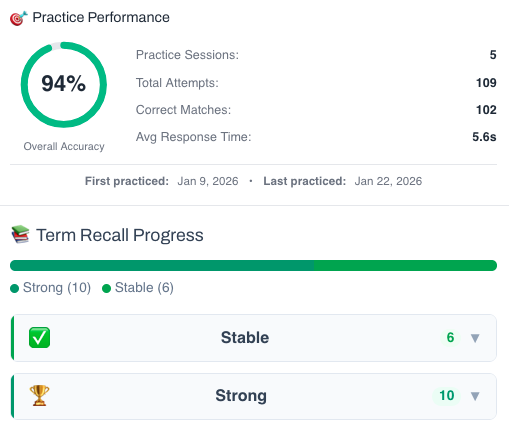
This isn’t a simple quiz — it’s a fully tracked learning system. You build knowledge through recognition, then recall, and your progress feeds directly into the Integrated Practice Bar (Writing tasks, AI Chat, and more).
- Practice sessions, accuracy, and response-time tracking
- Term strength levels (Learning → Stable → Strong)
- Personal progress history for each unit
This feature is available to YSP members.
Explore Membership BenefitsMember-Exclusive Sentence Builder
Reconstruct scrambled sentences to practice word order and develop your grammar intuition.
This feature is available to YSP members.
Explore Membership Benefits