Speculating About the Past: May Have, Might Have & Could Have
Core PathWay
1 What is Speculation?
Have you ever looked at a situation and wondered what really happened? That’s called speculation — making a guess about something when you don’t have all the facts. In business, we speculate all the time: ‘Why is the meeting delayed?’ ‘Where is the client?’ ‘What happened with that project?’
To make a guess means to form an opinion without having complete information. You might say ‘I reckon the delivery is late because of the traffic.’ When you guess, you are using the information you have to create a possible answer.
In English, we use may, might, and could to speculate about the present and future. For example: ‘It might rain later, so bring an umbrella.’ ‘Jim may be late today due to the bus strike.’ ‘The presentation could start at 3 PM if the room is ready.’ These modal verbs show that something is possible, but not certain.
We also have simpler ways to express this idea. Maybe and perhaps work in a similar way: ‘Maybe Jim will be late today due to the bus strike.’ ‘Perhaps the meeting will be rescheduled.’ The meaning is the same, but the modal verbs feel more integrated into the sentence.
We have now covered the simple area of Present Speculation….and….you may have guessed by now how we speculate about the past Modal Perfect again.!
Key Terms
2 Grammar Guide: Modal Perfect for Speculation
Now that you can speculate about the present, let’s move to the past. When we want to guess about something that already happened, we use modal + have + past participle. This is called the modal perfect. We also have a continuous form: modal + have + been + -ing.
Focus
- May have, might have, and could have + past participle express uncertain possibility about past events
- The continuous form (may/might/could have been + -ing) describes an action in progress in the past
- May, might, and could are similar, but context determines the exact level of probability
- Could have has an additional meaning of unrealised opportunity (different from speculation)
Rules
- Form: may/might/could + have + past participle (e.g., may have left, might have forgotten)
- Continuous form: may/might/could + have been + verb-ing (e.g., may have been working)
- Use these forms when you are guessing about a past event without full certainty
- The negative form is may not have / might not have / could not have + past participle
- Do not use must have for speculation — must have is for strong deduction based on evidence
Examples
- She may have missed the train — that’s why she’s late.
- They might have been waiting for the wrong bus.
- He could have forgotten about the meeting entirely.
Common mistake
3 May, Might, and Could: Simple and Continuous Forms
Let’s see how each modal works in both simple and continuous forms. Here are five examples for each modal.
MAY HAVE (simple):
1. The report may have been deleted by accident.
2. She may have left the office early yesterday.
3. They may have missed the deadline.
4. He may have sent the email to the wrong address.
5. The client may have changed their mind about the contract.
MAY HAVE BEEN (continuous):
1. She may have been working on the proposal all night.
2. They may have been waiting for our response.
3. He may have been meeting with the director.
4. We may have been using the wrong software.
5. The team may have been discussing the budget.
MIGHT HAVE (simple):
1. You might have left your keys in the meeting room.
2. The server might have crashed during the update.
3. She might have taken the wrong train.
4. They might have forgotten to book the venue.
5. He might have resigned from his position.
MIGHT HAVE BEEN (continuous):
1. They might have been negotiating with another supplier.
2. She might have been preparing for the presentation.
3. We might have been looking at outdated data.
4. The staff might have been struggling with the new system.
5. He might have been checking the figures when the error occurred.
COULD HAVE (simple):
1. The package could have arrived yesterday.
2. She could have called the client directly.
3. They could have missed the announcement.
4. He could have lost the documents.
5. The printer could have run out of ink.
COULD HAVE BEEN (continuous):
1. They could have been monitoring the situation closely.
2. She could have been waiting for the manager’s approval.
3. He could have been training the new employees.
4. We could have been working on the wrong task.
5. The system could have been processing the data slowly.
Note the difference: could is often used for ‘possibility’ — something that was possible but didn’t necessarily happen. In speculation, may, might, and could all express probability, but the exact strength depends on the context. In general, ‘may’ feels slightly more likely than ‘might’, and ‘could’ can suggest a more distant possibility.
Key Terms
4 The Missing Proposal: A Workplace Story
Rachel arrived at the office on Monday morning to find a strange situation. The conference room was empty, but the lights were on. The coffee machine was still warm. And the proposal documents she had prepared on Friday were gone from her desk.
She called her colleague Marcus immediately. ‘Marcus, did you take the proposal from my desk?’
‘No, I haven’t touched it,’ Marcus replied. ‘But I saw David near your desk on Friday evening. He might have been looking for something.’
Rachel thought for a moment. ‘David? He may have needed the financial figures for his own report. But why would he take the whole proposal?’
Marcus suggested, ‘He could have been in a hurry. Maybe he just grabbed the wrong folder.’
Rachel checked her email. There was a message from David sent at 7:30 PM on Friday: ‘Rachel, I borrowed your proposal to check the budget numbers. I’ll return it Monday morning. Sorry for the short notice.’
‘Well,’ Rachel said, ‘he might have sent this email before he left. But I still don’t have the document.’
Marcus looked at the empty desk. ‘He can’t have taken it home — he lives an hour away and usually works from the office. He must have left it somewhere here.’
They searched the office. After ten minutes, Rachel found the proposal on the printer table. ‘It may have been left here when I printed the final version on Friday,’ she realised.
Marcus smiled. ‘So David didn’t take it at all. You could have been more careful with your documents!’
Rachel laughed. ‘You’re right. I might have been too tired to notice what I was doing on Friday afternoon.’
They both agreed that the mystery was solved — no one had stolen anything. The proposal had simply been forgotten in the rush to leave for the weekend.
Key Terms
5 Write Your Own Speculation
Now it’s your turn to practise using modal perfects for speculation. Think of a situation at work where something went wrong or something unexpected happened. Write a short paragraph speculating about what might have caused it.
6 Recap: What You’ve Learned
Let’s bring everything together. Today you explored the world of speculation — making a guess about something when you don’t have all the facts.
You learned that in the present, we use may, might, and could to talk about possible situations: ‘It might rain later.’ ‘Jim may be late.’ These modals connect to simpler words like maybe and perhaps.
For the past, we use the modal perfect: may have, might have, or could have + past participle. We also have the continuous form: have been + -ing. These structures help you guess about past events: ‘She may have missed the train.’ ‘They might have been working late.’
Remember the key differences: may often feels slightly more likely, might is a bit more uncertain, and could can mean something was possible. But context really matters.
Don’t confuse speculation with deduction — when you use must have or can’t have, you are making a strong conclusion based on evidence, not just guessing.
Keep practising with workplace situations. The more you use these forms, the more natural they will feel. You might have been using them correctly all along!
Member-Exclusive Practice Bar
Access a wide range of integrated practice for this unit — from Vocabulary and Grammar activities to AI-curated Writing tasks and Thematic Chat practice.
This feature is available to YSP members.
Explore Membership BenefitsMember-Exclusive Vocabulary Review & Acquisition System
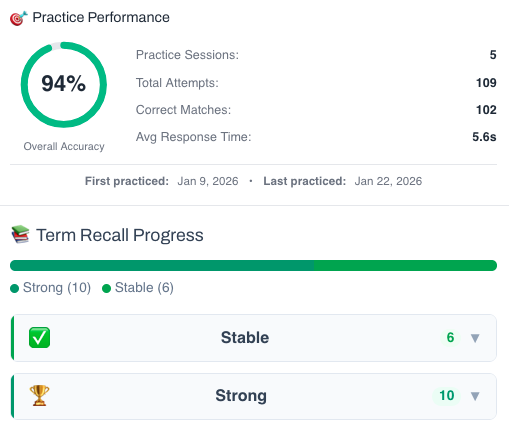
This isn’t a simple quiz — it’s a fully tracked learning system. You build knowledge through recognition, then recall, and your progress feeds directly into the Integrated Practice Bar (Writing tasks, AI Chat, and more).
- Practice sessions, accuracy, and response-time tracking
- Term strength levels (Learning → Stable → Strong)
- Personal progress history for each unit
This feature is available to YSP members.
Explore Membership Benefits🎮 Practice Games
Sentence Scrambler
Modal Perfect: Speculation – Sentence Scramble
Member-Exclusive Sentence Builder
Reconstruct scrambled sentences to practice word order and develop your grammar intuition.
This feature is available to YSP members.
Explore Membership Benefits