Expressions with HAVE — Your Essential Starter Pack
Core PathWay
1 Daily Routines — The HAVE Expressions You Use Every Day
Let’s get you fluent in the language of daily life — it starts with HAVE. English speakers use HAVE in many expressions where other languages might use different verbs. When you wake up in the morning, you have breakfast. This means you eat the first meal of the day. Later, around midday, you have lunch — the meal in the middle of the day. In the evening, you have dinner, which is usually the main meal of the day. Notice how we say ‘have’ for all meals, not ‘eat’ or ‘take’. After breakfast, many people have a shower — they wash their body while standing under running water. Some people prefer to have a bath instead, which means washing your body while sitting or lying in a bathtub filled with water. During the day, you might feel thirsty and have a drink — this can be water, juice, or something else. If you meet a friend, you might have a coffee together. This doesn’t just mean drinking coffee — it’s a social activity. These expressions with HAVE are the foundation of talking about your daily routine in natural English.
2 Social Life — HAVE Expressions for Fun and Friendship
Now let’s look at HAVE expressions for your social life. When you do something enjoyable, you have fun. This means you enjoy yourself and feel happy while doing something. After a nice experience, you might say ‘I had a good time’ — you have a good time means you enjoy an experience or event very much. When you meet friends informally, you have a chat. This means you talk with someone in a friendly and informal way. Sometimes you need to have a word with someone — this means talking to someone briefly, often privately about something important. The meaning is quite different from ‘have a chat’! If it’s a special occasion, you might have a party — you organize or attend a social event where people meet to celebrate something. When you’re outside enjoying the weather, you can have a walk — this means going somewhere on foot for exercise or pleasure. Before making a decision, it’s good to have a think — to spend time considering something carefully before deciding. These social expressions make your English sound friendly and natural.
3 Work and Rest — HAVE Expressions for Activities and Breaks
At work or school, you use many HAVE expressions. In professional situations, you have a meeting — you attend or hold a planned occasion when people come together to discuss something. During the meeting, someone might have a question — they want to ask something because they need information or do not understand. If something goes wrong, you might have a problem — you experience a difficulty or something that causes trouble. When you’re working on something difficult, you might have a try — this means attempting to do something to see if you can succeed. After working for a while, you need to have a break — you stop working or doing an activity for a short time to rest. A longer stop might be called have a rest — you stop being active and relax for a period of time. When someone offers you a chair, they might say ‘Please have a seat‘ — this means to sit down, especially when someone invites you to do so. If you need to check something quickly, you have a look — you look at something or examine something quickly. These work-related expressions help you sound professional and clear.
4 Health and Life Events — HAVE for Physical States
Finally, we use HAVE to talk about health and important life events. When you’re sick with a common illness that makes you sneeze and gives you a sore throat, you have a cold. If you feel pain in your head, you have a headache. Notice that we say ‘have a cold’ and ‘have a headache’, not ‘am cold’ or ‘am headache’. The verb HAVE shows that these are temporary conditions you experience. For life’s biggest event, when a woman gives birth to a child, we say she has a baby. This is a special use of HAVE that means bringing a new life into the world. These expressions show how HAVE in English does more than just show possession — it describes experiences, states, and activities. Once you master these 25 expressions, your English will sound much more natural and fluent.
Member-Exclusive Practice Bar
Access a wide range of integrated practice for this unit — from Vocabulary and Grammar activities to AI-curated Writing tasks and Thematic Chat practice.
This feature is available to YSP members.
Explore Membership BenefitsMember-Exclusive Vocabulary Review & Acquisition System
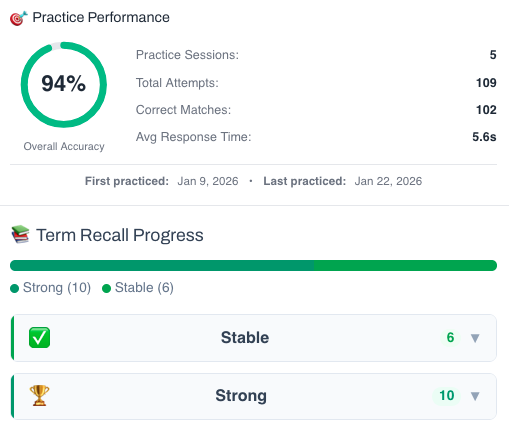
This isn’t a simple quiz — it’s a fully tracked learning system. You build knowledge through recognition, then recall, and your progress feeds directly into the Integrated Practice Bar (Writing tasks, AI Chat, and more).
- Practice sessions, accuracy, and response-time tracking
- Term strength levels (Learning → Stable → Strong)
- Personal progress history for each unit
This feature is available to YSP members.
Explore Membership Benefits🎮 Practice Games
Sentence Scrambler
Expressions with HAVE [starter pack] – Sentence Scramble
Member-Exclusive Sentence Builder
Reconstruct scrambled sentences to practice word order and develop your grammar intuition.
This feature is available to YSP members.
Explore Membership Benefits