Stative Verbs: Feelings and Thoughts Use Present Simple
Core PathWay
1 Actions and States: Two Different Types
Some verbs show actions. You can see actions. I run. She eats. They work. These verbs can use -ing: I am running. She is eating. They are working.
Other verbs show states. States are feelings, thoughts, and things you own. You cannot see states. I love this park. I want water. I know this path. These verbs cannot use -ing.
Many learners make this mistake. They say ‘I am loving this park’ or ‘I am wanting water’. This is wrong. Why? Because you want to say how you feel right now. But state verbs always use Present Simple, not Present Continuous.
Look at this example. A person runs in the park every morning. She is tired. She is thirsty. During the run, she thinks about her feelings. She uses state verbs. Let’s see how.
Key Terms
2 The Rule: State Verbs Use Present Simple
State verbs describe how you feel, what you think, and what you own. These verbs use Present Simple. They use Present Simple even when you talk about right now.
Three groups of state verbs: Feelings (love, like, hate, want, need). Thoughts (know, understand, believe, think). Possession (have, own, belong).
Focus
- State verbs always use Present Simple
- State verbs describe feelings, thoughts, possession
- Never use -ing with state verbs
Rules
- I love this route. (NOT: I am loving this route.)
- I want to run faster. (NOT: I am wanting to run faster.)
- I know this path well. (NOT: I am knowing this path.)
- State verbs describe permanent or long states, not actions you can see
Examples
- I love running in the park. (feeling – right now)
- I need water after my run. (need – right now)
- I know this route very well. (thought – always true)
Common mistake
Key Terms
3 A Runner's Thoughts
It is 7 a.m. Alex runs in the park every morning. Today the weather is good. The sun is warm. Alex runs on her favourite path.
Alex thinks: ‘I love this route. I know every tree here. I feel good today. My pace is fast. But now I am tired. My legs hurt. I want to stop. No! I need to finish. I believe I can do it.’
Alex runs past the lake. She is very thirsty now. She thinks: ‘I need water. I want a cold drink. But the distance to the end is short. I can finish.’
Alex reaches the end. She stops. She drinks water. She thinks: ‘I love running. It is healthy exercise. I feel great now. I understand why I do this every day. Running gives me energy for the whole day. I have a good feeling now.’
All of Alex’s thoughts use state verbs. She uses Present Simple. She does not say ‘I am loving’ or ‘I am wanting’. She says ‘I love‘ and ‘I want‘. This is correct.
Key Terms
4 Your Turn: Write About Your Feelings
Now you write. Think about something you do. Maybe you run. Maybe you cook. Maybe you study. Maybe you play music. Write about your feelings and thoughts when you do this activity.
5 Remember the Rule
The key rule is simple. State verbs use Present Simple. Action verbs can use Present Continuous.
State = Simple. Action = Continuous.
Common state verbs to remember: love, like, hate, want, need, prefer, know, understand, believe, think (opinion), have (possession), own, belong.
Never use -ing with these verbs.
Here is a good question to ask: Can you see this verb? Can you touch it? No? Then use Present Simple, not Present Continuous.
You cannot see ‘love’. You cannot touch ‘want’. You cannot see ‘know’. These are states. Use Present Simple.
You can see ‘run’. You can see ‘eat’. You can see ‘work’. These are actions. You can use Present Continuous.
When you listen to English, notice state verbs. You will hear ‘I love’ not ‘I am loving’. You will hear ‘I want’ not ‘I am wanting’. Listen and learn.
Member-Exclusive Practice Bar
Access a wide range of integrated practice for this unit — from Vocabulary and Grammar activities to AI-curated Writing tasks and Thematic Chat practice.
This feature is available to YSP members.
Explore Membership BenefitsMember-Exclusive Vocabulary Review & Acquisition System
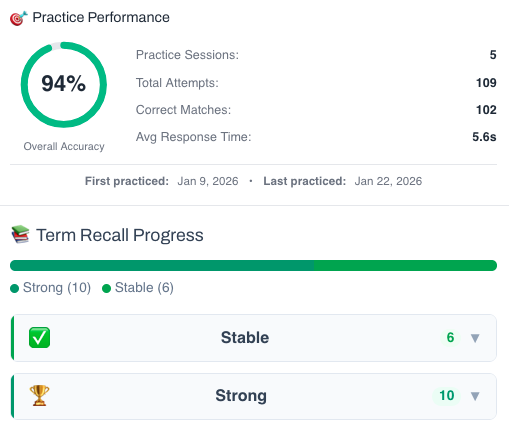
This isn’t a simple quiz — it’s a fully tracked learning system. You build knowledge through recognition, then recall, and your progress feeds directly into the Integrated Practice Bar (Writing tasks, AI Chat, and more).
- Practice sessions, accuracy, and response-time tracking
- Term strength levels (Learning → Stable → Strong)
- Personal progress history for each unit
This feature is available to YSP members.
Explore Membership Benefits🎮 Practice Games
Sentence Scrambler
Stative verbs and why they cannot be used in Present Continuous – Sentence Scramble
Member-Exclusive Sentence Builder
Reconstruct scrambled sentences to practice word order and develop your grammar intuition.
This feature is available to YSP members.
Explore Membership Benefits