Daily Routines: Household Tasks and Relaxation
Core PathWay
1 Getting Ready and Starting Your Day
Let’s get you fluent in the language of daily home routines. Your day starts with preparation. When you get ready, you prepare yourself to go somewhere or do something. This means you might shower, choose clothes, and eat breakfast. Some people lay clothes out the night before. This means you arrange clothes or things ready to use, especially for the next day. It saves time in the morning. Not everyone wakes up early. Some people have a lie-in on weekends. This means you stay in bed later than usual in the morning. It feels wonderful after a busy week. Other people sleep in by accident. This means you sleep later than usual or later than you planned. Maybe your alarm didn’t work!
2 Household Cleaning and Organizing
Every home needs regular cleaning. When you vacuum, you clean floors and carpets using a machine that sucks up dirt. Most people vacuum once or twice a week. After washing clothes, you need to dry them. You hang out the washing by putting wet clothes on a line or rack outside or inside to dry. When clothes are dry but wrinkled, you iron them. This means you make clothes smooth using a hot flat metal tool. Another essential task is washing. When you do the laundry, you wash clothes, sheets, and towels in a washing machine. You also need to take out the rubbish. This means you carry bags of waste from inside your home to the bins outside. Finally, you put away things. This means you return things to their correct place after using them. When things are messy, you sort things out. This means you organize or deal with things that are messy or need attention.
3 Meal Times and Shopping
Meals need preparation and cleanup. Before eating, you set the table. This means you put plates, knives, forks, and glasses on the table before a meal. After eating, you clear the table. This means you remove plates, cups, and food from the table after eating. You need food in your home, so you do the shopping. This means you go to shops or a supermarket to buy food and things you need. Some people don’t want to cook. They order takeaway instead. This means you ask a restaurant to prepare food and bring it to your home. It’s convenient but more expensive than cooking.
4 Pet Care and Garden Tasks
If you have pets, they need daily care. You must feed the dog/cat by giving food to your pet at regular times. Dogs need exercise, so you take the dog for a walk. This means you go outside with your dog so it can exercise and go to the toilet. Most dogs love their walks. If you have plants or a garden, you need to water the plants. This means you pour water on plants and flowers to help them grow. Plants die without water, especially in summer.
5 Evening Routines and Relaxation
Evening is time to relax and prepare for sleep. Some people run a bath by filling the bathtub with water before getting in. A warm bath helps you relax. If you feel tired during the day, you might have a nap. This means you sleep for a short time during the day. A short nap can give you more energy. Many people relax by using technology. You might browse the internet by looking at different websites for information or entertainment without a specific purpose. Or you scroll through social media. This means you move down through information or images on a phone or computer screen. Some people prefer physical activity. They workout by doing physical exercises at home to stay fit and healthy. Before bed, you need to secure your home. You switch off lights, heating, or electrical equipment to save energy. Finally, you lock up by locking all the doors and windows of your home for security. This keeps you safe at night.
Member-Exclusive Practice Bar
Access a wide range of integrated practice for this unit — from Vocabulary and Grammar activities to AI-curated Writing tasks and Thematic Chat practice.
This feature is available to YSP members.
Explore Membership BenefitsMember-Exclusive Vocabulary Review & Acquisition System
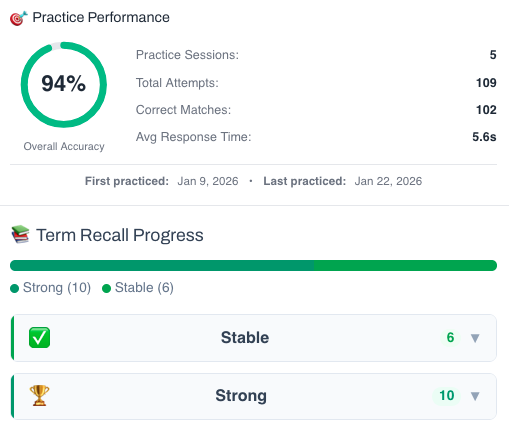
This isn’t a simple quiz — it’s a fully tracked learning system. You build knowledge through recognition, then recall, and your progress feeds directly into the Integrated Practice Bar (Writing tasks, AI Chat, and more).
- Practice sessions, accuracy, and response-time tracking
- Term strength levels (Learning → Stable → Strong)
- Personal progress history for each unit
This feature is available to YSP members.
Explore Membership Benefits🎮 Practice Games
Sentence Scrambler
Daily Routines – At Home/Free time – Pack 2 – Sentence Scramble
Member-Exclusive Sentence Builder
Reconstruct scrambled sentences to practice word order and develop your grammar intuition.
This feature is available to YSP members.
Explore Membership Benefits