Free Time at Home: Social Life and Relaxation
Core PathWay
1 Making Social Plans
Want to talk confidently about your social life? It starts with these words. When you arrange to see friends, you usually meet up somewhere convenient for everyone. This means you agree on a place and time to see each other. You might grab a coffee at a local café, which is a quick and casual way to spend time together. If you haven’t seen someone for a while, you’ll want to catch up with friends and talk about what’s been happening in your lives. Sometimes friends pop round to your home without much planning. This is an informal, short visit. When you’re eating out, you have dinner out at a restaurant instead of cooking at home. You might pick up a friend in your car on the way to the restaurant, then drop off them at their home afterwards. These two phrases describe collecting someone and leaving them somewhere by car. When you’re not doing anything specific with friends, you just hang out together, relaxing and enjoying each other’s company.
2 Staying Active and Healthy
Many people keep fit in their free time. A popular choice is to go to the gym several times a week. This means you visit a fitness centre to exercise with equipment or join classes. If you prefer outdoor activities, you might go for a walk in the park or around your neighbourhood. This is walking for pleasure or health, not to reach a specific place. Some people go for a run early in the morning or after work. Running is excellent exercise and helps you stay healthy. These activities are part of a healthy routine. After exercise, you feel energized and ready for the rest of your day. Notice how we use ‘go for a’ with both walk and run, but ‘go to the’ with gym. These small differences matter in natural English.
3 Relaxing at Home
After a busy day, most people need to chill out at home. This means you relax completely and do very little. You might lie on the sofa while watching television or reading. Some people have a snooze in the afternoon, which is a short, light sleep during the day. It’s different from a long night’s sleep. When you feel tired but don’t want to sleep, you might stay in rather than going out. This means you remain at home for entertainment instead of visiting restaurants or cinemas. Many people stay up late on weekends, watching films or chatting online. This means you don’t go to bed at your normal time. Relaxing at home is important for your wellbeing.
4 Staying Connected
Technology helps us stay in touch with people. You can call someone on your phone to speak to them directly. This is still popular for important conversations. Many people prefer to chat online using messaging apps or video calls. This is convenient because you can have conversations while doing other things. You might have a chat with a family member about your week. This means you talk in a friendly, informal way about everyday topics. These different methods of communication suit different situations. Calling is better for urgent matters, while chatting online works well for quick updates and casual conversations.
5 Home Entertainment
There are many ways to entertain yourself at home. You can stream a film on services like Netflix or Amazon Prime. This means you watch a movie as it downloads, without saving it to your device. Some people binge-watch entire TV series in one weekend, watching many episodes one after another. You might play games on your console or computer for entertainment. If you prefer quieter activities, you can read a book for pleasure or information. When you can’t decide what to watch on television, you might channel hop, changing from one channel to another and watching each for only a short time. All these activities help you relax and enjoy your free time at home.
Member-Exclusive Practice Bar
Access a wide range of integrated practice for this unit — from Vocabulary and Grammar activities to AI-curated Writing tasks and Thematic Chat practice.
This feature is available to YSP members.
Explore Membership BenefitsMember-Exclusive Vocabulary Review & Acquisition System
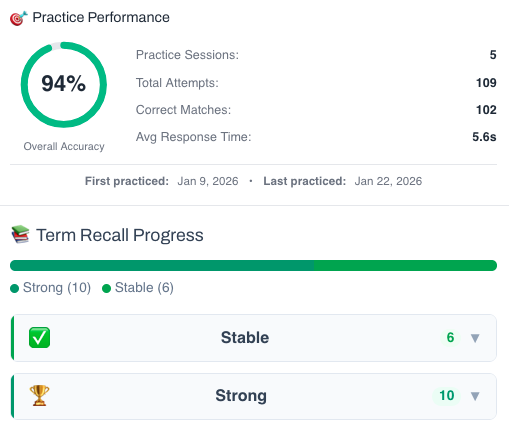
This isn’t a simple quiz — it’s a fully tracked learning system. You build knowledge through recognition, then recall, and your progress feeds directly into the Integrated Practice Bar (Writing tasks, AI Chat, and more).
- Practice sessions, accuracy, and response-time tracking
- Term strength levels (Learning → Stable → Strong)
- Personal progress history for each unit
This feature is available to YSP members.
Explore Membership Benefits🎮 Practice Games
Sentence Scrambler
Daily Routines – At Home/Free time – Pack 3 – Sentence Scramble
Member-Exclusive Sentence Builder
Reconstruct scrambled sentences to practice word order and develop your grammar intuition.
This feature is available to YSP members.
Explore Membership Benefits