Free Time Activities and Hobbies
Core PathWay
1 Starting Something New
Let’s get you fluent in the language of hobbies and free time. When you want to start doing something new in your free time, you take up a new hobby or activity. This means you begin something you haven’t done before. Many people take up painting or photography when they retire. If you want to do an activity with other people, you can join a club, group, or organisation. You might join a photography club or a dance class. When you join something, you become an official member. After you start a new hobby, you need to practice it regularly to improve your skill. Musicians practice their instrument every day. Artists practice drawing to get better. The more you practice, the more confident you become.
2 Creative Activities at Home
Many people enjoy creative hobbies at home. Some people collect objects of a particular type as a hobby. They might collect stamps, coins, or old books. When you collect things, you get them and keep them because you find them interesting. If you prefer making art, you can draw pictures with a pencil, pen, or similar tool. Children learn to draw at school, but many adults draw for relaxation too. You can also paint pictures using paint and a brush. Some people paint landscapes, others paint portraits of people. If you enjoy working with cloth, you might sew or knit. When you sew, you join pieces of cloth together using a needle and thread. When you knit, you make clothes or other items from wool using two long needles. People knit scarves, sweaters, and blankets. Another popular home activity is to bake bread, cakes, or other food in an oven. Many people find baking relaxing, and you can eat what you make!
3 Outdoor Activities and Nature
If you prefer being outside, there are many outdoor hobbies to enjoy. You can garden, which means to work in a garden, growing and taking care of plants. When you garden, you might grow vegetables, flowers, or herbs. To grow plants, you put seeds in the ground and take care of them until they become big and healthy. For exercise and fresh air, you can cycle, which means to ride a bicycle, especially for exercise or enjoyment. Many people cycle to work or cycle in the countryside at weekends. If you want a longer adventure, you can hike in the countryside or mountains. To hike means to go for a long walk, usually on paths or trails. Some people hike for a few hours, others hike all day. For an overnight adventure, you can camp, which means to stay outdoors overnight in a tent. Families often camp in the summer for fun. Another peaceful outdoor activity is to fish, which means to try to catch fish as a sport or hobby. People fish in rivers, lakes, or the sea.
4 Making and Fixing Things
Some hobbies involve making or repairing things. You can photograph people, places, or events, which means to take pictures with a camera. Professional photographers photograph weddings, but many people photograph nature or their families as a hobby. If you enjoy working with your hands, you might build things. To build means to make something by putting parts or materials together. You could build furniture, models, or even a small garden shed. When something breaks, you can fix it. To fix something means to repair it so it works again. Some people love to fix old cars or broken furniture. Fixing things can save money and feels very satisfying when you succeed.
5 Performance, Social Activities, and Helping Others
Many hobbies involve performing or helping others. You can dance, which means to move your body to music, often as a hobby or for exercise. People dance at parties, in classes, or at home for fun. You can also sing, which means to make music with your voice, alone or with others. Some people sing in choirs, others sing in the shower! If you want to make music with an instrument, you play an instrument like a piano, guitar, or violin. Learning to play an instrument takes time and regular practice. If you want to help your community, you can volunteer, which means to do work helping people or organisations without being paid. People volunteer at hospitals, schools, or charity shops. Finally, when you have free time and want to relax, you might go out to leave your home for entertainment or social reasons. You could go out for dinner, to the cinema, or to meet friends. Or you might browse the shops, which means to look at things in shops in a relaxed way without looking for anything particular. Browsing the shops on a Saturday afternoon is a popular way to spend free time.
Member-Exclusive Practice Bar
Access a wide range of integrated practice for this unit — from Vocabulary and Grammar activities to AI-curated Writing tasks and Thematic Chat practice.
This feature is available to YSP members.
Explore Membership BenefitsMember-Exclusive Vocabulary Review & Acquisition System
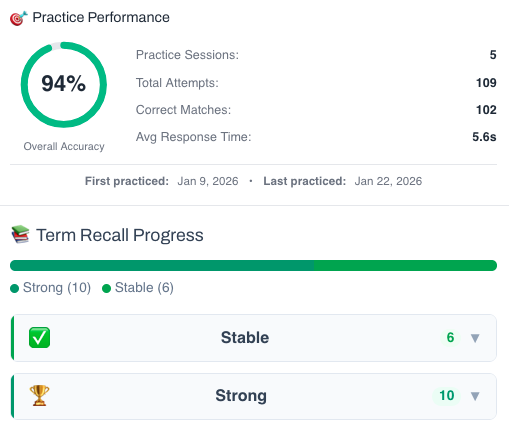
This isn’t a simple quiz — it’s a fully tracked learning system. You build knowledge through recognition, then recall, and your progress feeds directly into the Integrated Practice Bar (Writing tasks, AI Chat, and more).
- Practice sessions, accuracy, and response-time tracking
- Term strength levels (Learning → Stable → Strong)
- Personal progress history for each unit
This feature is available to YSP members.
Explore Membership Benefits🎮 Practice Games
Sentence Scrambler
Daily Routines – At Home/Free time – Pack 4 – Sentence Scramble
Member-Exclusive Sentence Builder
Reconstruct scrambled sentences to practice word order and develop your grammar intuition.
This feature is available to YSP members.
Explore Membership Benefits