Talking About What People Don't Do: Present Simple Negatives
Core PathWay
1 Two Different People
We can say what people do. We can also say what people don’t do. This is important! Some people wake up early. Some people don’t wake up early. Some people go running. Some people don’t go running. We need to talk about both.
Look at two people: Marco and Sofia. Marco is very active. He likes crowds. He meets friends every day. Sofia is very quiet. She stays home. She prefers books. Marco and Sofia are very different! We can use negative sentences to show this. We say what Marco does. We say what Sofia doesn’t do. We say what Sofia does. We say what Marco doesn’t do.
Today you learn how to make negative sentences. You learn how to say what people don’t do. This is very useful!
Key Terms
2 How to Make Negative Sentences
We need to say what people don’t do. Look at the rule. It is simple. We use don’t or doesn’t with the base verb. The base verb is the simple form. No -s at the end!
This is very important. When you use doesn’t, never add -s to the verb. Many people make this mistake. They say ‘doesn’t works’ or ‘doesn’t goes’. This is wrong! Always use the base form after doesn’t.
Focus
- I, you, we, they use don't + base verb
- He, she, it uses doesn't + base verb
- Always use the base form after don't and doesn't — never add -s to the main verb
Rules
- Don't = do not (for I, you, we, they)
- Doesn't = does not (for he, she, it)
- The main verb stays in base form — no -s ending
Examples
- Marco doesn't stay home on weekends.
- Sofia doesn't go to parties.
- They don't like crowds.
Common mistake
Key Terms
3 Two Different Lives
Marco and Sofia work in the same office. They are colleagues. But their lives are very different!
Marco wakes up at 6:00 every morning. He doesn’t stay in bed. He gets up and goes running in the park. He loves exercise! He meets friends for coffee after his run. Marco is very social. He plays sports every weekend — football, tennis, basketball. He loves all sports. On Saturday nights, Marco goes to parties. He likes crowds and loud music. Marco doesn’t read books much. He doesn’t stay home on weekends. He is always busy!
Sofia is different. She doesn’t wake up early. She prefers to sleep until 9:00. She doesn’t go running. She doesn’t like exercise very much. Sofia doesn’t meet people often. She is quiet and shy. She doesn’t play sports. She doesn’t go to parties — she thinks they are too loud. Sofia doesn’t like crowds. She feels nervous in big groups.
What does Sofia do? She stays home. She reads books every evening. She cooks nice food. She watches films on her computer. She drinks coffee alone and thinks. Sofia doesn’t work late — she finishes at 5:00 and goes home. She doesn’t travel much. She is happy at home.
Marco and Sofia are both good people. They are just different. Marco doesn’t cook — he eats in restaurants. Sofia doesn’t exercise — she sits and reads. Marco doesn’t watch films — he is too busy. Sofia doesn’t meet friends every day — she likes quiet time.
Are you like Marco? Or are you like Sofia? What do you do? What don’t you do?
Key Terms
4 Your Turn: Compare Two People
Now you practice! Think about yourself and a friend or family member. How are you different? What do you do? What don’t you do? What does your friend do? What doesn’t your friend do?
5 Remember the Key Rule
Good work! Now remember the most important rule: don’t and doesn’t + BASE FORM. Never add -s to the verb after doesn’t!
Here is the simple decision rule. For he, she, it use doesn’t. For I, you, we, they use don’t. The verb always stays in base form. No -s at the end.
This is one of the most common mistakes. Many people make this error. But now you know the rule! When you speak or write, check your negative sentences. Does the verb have -s after doesn’t? If yes, fix it! Use the base form.
Use negative sentences when you talk about your daily life. Say what you do. Say what you don’t do. This makes your English natural and clear. Well done!
Member-Exclusive Practice Bar
Access a wide range of integrated practice for this unit — from Vocabulary and Grammar activities to AI-curated Writing tasks and Thematic Chat practice.
This feature is available to YSP members.
Explore Membership BenefitsMember-Exclusive Vocabulary Review & Acquisition System
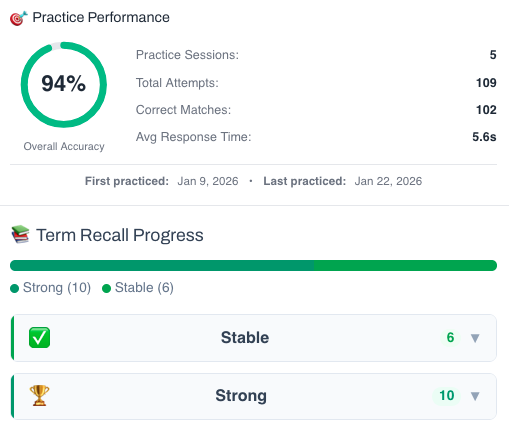
This isn’t a simple quiz — it’s a fully tracked learning system. You build knowledge through recognition, then recall, and your progress feeds directly into the Integrated Practice Bar (Writing tasks, AI Chat, and more).
- Practice sessions, accuracy, and response-time tracking
- Term strength levels (Learning → Stable → Strong)
- Personal progress history for each unit
This feature is available to YSP members.
Explore Membership Benefits🎮 Practice Games
Sentence Scrambler
Present Simple negative forms with don’t and doesn’t – Sentence Scramble
Member-Exclusive Sentence Builder
Reconstruct scrambled sentences to practice word order and develop your grammar intuition.
This feature is available to YSP members.
Explore Membership Benefits