Present Simple vs Present Continuous: Daily Routines and Current Activities
Core PathWay
1 Why Learners Confuse Present Simple and Present Continuous
Many learners use the wrong form. They say ‘I am going to work every day’ or ‘I work now’. This is wrong. Why? English uses two different forms. One form is for things you do again and again. One form is for things you do right now. Italian uses one present form for both ideas. English needs two forms. This page teaches you when to use each form. You learn the words that help you choose. You learn to talk about your routine and about today.
2 Present Simple: Form, Meaning & Use
We use Present Simple for things we do again and again. These are your habits and your routine. You do these things every day or usually or often. Present Simple talks about what is normally true. For example: ‘I work in an office.’ This is your job. It is true always. Or: ‘I drink coffee in the morning.’ This is your habit. You do this many times. Present Simple also talks about things that never happen. For example: ‘I never eat meat.’ This is true all the time. Italian speakers often use Present Continuous here. In Italian you can say ‘Sto lavorando qui da tre anni’ for a continuing situation. In English, we say ‘I work here’ for permanent situations. Use Present Simple with words like usually, always, often, every day, sometimes, and never.
Focus
- Use Present Simple for habits and routines
- Use Present Simple for permanent situations
- Signal words: usually, always, often, every day, sometimes, never, normally
Rules
- I/you/we/they + verb: I work, they drink
- he/she/it + verb + s: he works, she drinks
- Negative: I/you/we/they + do not (don't) + verb: I don't work
- Negative: he/she/it + does not (doesn't) + verb: she doesn't work
- Question: Do + I/you/we/they + verb: Do you work?
- Question: Does + he/she/it + verb: Does she work?
Examples
- I go to work every day.
- She drinks coffee in the morning.
- We usually eat lunch at 1 p.m.
- He doesn't work on Sundays.
- Do you often go to the gym?
- They never eat fast food.
Common mistake
3 Present Continuous: Form, Meaning & Use
We use Present Continuous for things happening now or at the moment. You are doing these things right now or today. Present Continuous also talks about temporary situations. These situations are not permanent. For example: ‘I am drinking coffee.’ This is happening now. Or: ‘Today I am taking the bus.’ This is temporary. Normally you drive, but today is different. Present Continuous uses ‘am’, ‘is’, or ‘are’ + verb + ing. Italian speakers often use Present Simple here. In Italian you say ‘Cosa fai?’ for ‘What are you doing now?’ In English, we need Present Continuous: ‘What are you doing?’ Use Present Continuous with words like now, at the moment, today, currently, and right now. These words tell you the action is happening at the moment.
Focus
- Use Present Continuous for actions happening now
- Use Present Continuous for temporary situations
- Signal words: now, at the moment, today, currently, right now
Rules
- I + am + verb + ing: I am working
- he/she/it + is + verb + ing: she is working
- you/we/they + are + verb + ing: they are working
- Negative: I am not (I'm not) working, she is not (isn't) working
- Question: Am I working? Is she working? Are they working?
Examples
- I am drinking coffee right now.
- She is working at the moment.
- Today I am taking the bus.
- He is currently eating lunch.
- Are you going to work now?
- They are not working today.
Common mistake
4 Choosing the Right Structure: When and Why
How do you choose? Ask yourself: Is this a habit or is this happening now? Is this always true or is this temporary? Look at the signal words. Signal words help you choose. Words like usually, always, often, every day, sometimes, never, and normally tell you to use Present Simple. These words talk about routine. Words like now, at the moment, today, currently, and right now tell you to use Present Continuous. These words talk about this moment. Here are examples. Look at the difference. ‘I drive to work.’ This is your habit. You do this every day. ‘I am driving to work.’ This is happening now. You are in the car at the moment. ‘She works in London.’ This is permanent. This is her job always. ‘She is working in London.’ This is temporary. Maybe she usually works in Paris, but today she is in London. ‘Do you drink coffee?’ This asks about your habit. ‘Are you drinking coffee?’ This asks about now. Italian speakers often confuse these. In Italian, ‘Lavoro a Roma’ can mean both your permanent job and what you are doing currently. In English, ‘I work in Rome’ is permanent. ‘I am working in Rome’ is temporary. Here is the decision rule. Ask: Does this happen again and again? Is this my routine? Use Present Simple. Ask: Is this happening right now? Is this temporary? Use Present Continuous. Look at today versus every day. ‘Every day I go to the gym.’ This is your routine. ‘Today I am going to the cinema.’ This is temporary. Today is different from normally. One more example. ‘I usually take the train.’ This is your habit. ‘At the moment I am taking a taxi.’ This is happening now. The signal word tells you which form to use.
5 In Context: A Dialogue
Maria: Hi Tom! Are you working today?
Tom: Yes, I am. I usually work from home, but today I am working in the office.
Maria: Oh! Do you often work in the office?
Tom: No, I never work in the office. I always work from home. But today is different. We have a meeting.
Maria: I see. What time do you normally finish work?
Tom: I usually finish at 5 p.m. But today I am finishing at 6 p.m.
Maria: Are you taking the bus home?
Tom: No, I normally take the bus, but right now I am waiting for my friend. We are going to a restaurant.
Maria: That sounds nice! Do you often eat out?
Tom: Sometimes. Maybe once a week. But I usually cook at home.
Noticing prompts: Can you find Present Simple in this dialogue? Look for words like usually, often, always, normally. Can you find Present Continuous? Look for words like today, right now. Why does Tom say ‘I usually work from home’ but ‘today I am working in the office’? What is the difference?
Member-Exclusive Practice Bar
Access a wide range of integrated practice for this unit — from Vocabulary and Grammar activities to AI-curated Writing tasks and Thematic Chat practice.
This feature is available to YSP members.
Explore Membership BenefitsMember-Exclusive Vocabulary Review & Acquisition System
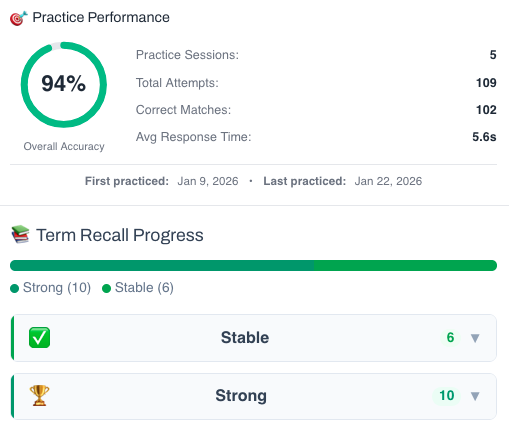
This isn’t a simple quiz — it’s a fully tracked learning system. You build knowledge through recognition, then recall, and your progress feeds directly into the Integrated Practice Bar (Writing tasks, AI Chat, and more).
- Practice sessions, accuracy, and response-time tracking
- Term strength levels (Learning → Stable → Strong)
- Personal progress history for each unit
This feature is available to YSP members.
Explore Membership Benefits🎮 Practice Games
Sentence Scrambler
Contrasting Present Simple and Present Continuous – Sentence Scramble
Member-Exclusive Sentence Builder
Reconstruct scrambled sentences to practice word order and develop your grammar intuition.
This feature is available to YSP members.
Explore Membership Benefits