Talking About Fixed Schedules
Core PathWay
1 Why We Use Present Simple for the Future
This sounds strange. We talk about the future. But we use present words.
When you plan a trip, you look at a timetable. The train times are fixed. The cinema times are fixed. The museum opening hours are fixed. These times do not change.
In English, we say: ‘The train leaves at 9am.’ We do not say: ‘The train will leave at 9am.’ We use Present Simple. This is because the time is in an official schedule. It is certain. It is fixed.
Many people find this confusing. They think: ‘But it is tomorrow! It is the future!’ Yes, it is the future. But we use present words for fixed schedules. This is the rule.
When you see a timetable, think: ‘I use Present Simple here.’ When you read opening hours, think: ‘I use Present Simple here.’ This helps you speak like a native speaker.
Key Terms
2 How to Use Present Simple for Schedules
Now you know why. Now you learn how.
The form is easy. You use the same form as Present Simple. Subject + verb. For he, she, it, you add -s to the verb. You always add a time word: tomorrow, at 7pm, on Friday, next Monday.
This works for all official times: trains, buses, films, classes, shops, museums, events. If it is in a timetable, use Present Simple.
Focus
- Always use Present Simple for timetabled events
- Always include a time expression: tomorrow, at 7pm, on Friday, next week
- The event must be fixed and official, not a personal plan
Rules
- Subject + base verb + time marker (I go, you go, we go)
- Third person singular: add -s (he goes, she goes, it goes, the train leaves, the film starts)
- Negative: use do not / does not + base verb (The shop does not open on Sunday)
- Question: Do / Does + subject + base verb (What time does the train leave?)
Examples
- The train leaves at 9am tomorrow.
- The film starts at 7pm on Friday.
- The museum opens at 10am every day.
- School finishes at 3pm next Monday.
- The shop closes at 6pm tonight.
Common mistake
Key Terms
3 Alex Plans a Day in London
Alex wants to visit London tomorrow. Alex lives in Brighton. Alex needs to plan the day carefully.
First, Alex checks the train timetable online. The train leaves Brighton at 9am. It arrives in London at 10am. The departure platform is Platform 3. Good. Alex writes this down.
Next, Alex wants to visit the British Museum. Alex checks the opening hours on the website. The museum opens at 10am. Perfect! The museum closes at 5pm. Alex has seven hours.
In the evening, Alex wants to see a film. Alex looks at the cinema website. There is a new film Alex wants to see. The showing starts at 7pm. It is on Screen 2. The film finishes at 9pm.
Alex also checks the return train. The last train leaves London at 10pm. It arrives in Brighton at 11pm. Alex has time for everything!
Alex feels happy. The day is planned. Everything is in the schedule. Alex knows all the start times. Tomorrow is going to be a good day.
Notice: Alex uses Present Simple for all the fixed times. ‘The train leaves.’ ‘The museum opens.’ ‘The film starts.’ These are official schedules. They do not change. This is why we use Present Simple, not future forms.
Key Terms
4 Your Turn: Plan Your Day
Now you try. Plan a day out. Use Present Simple for all the scheduled times.
5 Remember the Rule
You now know the rule. When you talk about fixed schedules, use Present Simple.
The decision is easy. Ask yourself: ‘Is this in an official timetable?’ If yes, use Present Simple. If no, use other future forms.
Look for these signal words: tomorrow, at 7pm, on Monday, next week. These words help you.
When you see a train timetable, think Present Simple. When you check cinema times, think Present Simple. When you read opening hours, think Present Simple.
Now you can speak like a native speaker. You say: ‘The train leaves at 9am.’ You say: ‘The museum opens at 10.’ You say: ‘The film starts at 7pm.’
This is natural English. Practice this. Notice this pattern when you read schedules. You will see it everywhere.
Member-Exclusive Practice Bar
Access a wide range of integrated practice for this unit — from Vocabulary and Grammar activities to AI-curated Writing tasks and Thematic Chat practice.
This feature is available to YSP members.
Explore Membership BenefitsMember-Exclusive Vocabulary Review & Acquisition System
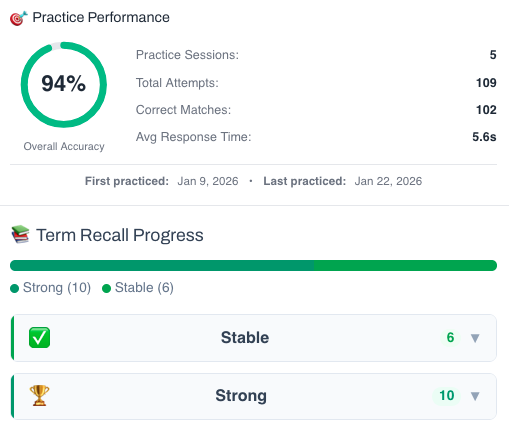
This isn’t a simple quiz — it’s a fully tracked learning system. You build knowledge through recognition, then recall, and your progress feeds directly into the Integrated Practice Bar (Writing tasks, AI Chat, and more).
- Practice sessions, accuracy, and response-time tracking
- Term strength levels (Learning → Stable → Strong)
- Personal progress history for each unit
This feature is available to YSP members.
Explore Membership Benefits🎮 Practice Games
Sentence Scrambler
Using Present Simple for scheduled future events – Sentence Scramble
Member-Exclusive Sentence Builder
Reconstruct scrambled sentences to practice word order and develop your grammar intuition.
This feature is available to YSP members.
Explore Membership Benefits