Daily Actions: Literal Phrasal Verbs
Core PathWay
1 English Loves Word Partnerships
English often puts two words together to make one meaning. You already know simple verbs like wake, get, sit, stand, turn, put, and take. But in everyday English, we usually add a small word after the verb. These small words are called prepositions: up, down, in, out, on, off.
When you add a preposition to a verb, you make a phrasal verb. The preposition shows direction or movement. For example, ‘sit’ means to be in a chair, but ‘sit down‘ shows the movement from standing to sitting. ‘Turn’ means to move in a circle, but ‘turn on‘ means to start a machine or light.
These phrasal verbs are easy to understand because the meaning is clear. The preposition tells you WHERE or WHAT DIRECTION. We call these literal phrasal verbs. You use them every day to talk about your routine — the things you do every morning. Let’s look at a typical morning and see how these verb partnerships work.
Key Terms
2 How Literal Phrasal Verbs Work
Phrasal verbs are verb + preposition. The preposition adds direction to the verb. This makes the meaning very clear. You can see the direction or movement in your mind.
Literal phrasal verbs are common in daily routines, physical actions, and instructions. When you describe your morning or tell someone what to do, you use these verb combinations all the time. Let’s see how the prepositions work.
Focus
- up = movement to a higher position or becoming active (wake up, get up, stand up)
- down = movement to a lower position (sit down, lie down)
- in = entering a space (come in, get in a car)
- out = leaving a space (go out, get out of a car)
- on = activating a device OR placing something on your body (turn on the light, put on clothes)
- off = deactivating a device OR removing something from your body (turn off the alarm, take off your coat)
Rules
- Some phrasal verbs can be separated when you add an object: ‘turn on the shower’ = ‘turn the shower on’
- Some phrasal verbs cannot be separated: you always say ‘get up’ (not ‘get the bed up’)
- The preposition is essential — without it, the meaning changes or sounds wrong: ‘I woke’ sounds incomplete; ‘I woke up’ is correct
Examples
- My alarm goes off at 7 a.m. I wake up and get up immediately.
- I turn on the shower and get in. After five minutes, I get out and dry myself.
- I put on my work clothes and take off my watch to wash my hands. Then I sit down for breakfast.
Common mistake
Key Terms
3 Marco’s Morning Routine
My name is Marco and I work in a busy office in the city centre. Every weekday morning is the same. My alarm goes off at 6:30 a.m. The sound is very loud! I wake up immediately, but I don’t feel happy. I want to sleep more.
I get up slowly and walk to the bathroom. I turn on the light and look in the mirror. My hair is messy. I turn on the shower and wait for the water to get warm. Then I get in the shower and wash quickly. The hot water feels good. After five minutes, I get out and dry myself with a towel.
I go out of the bathroom and walk to my bedroom. I take off my pyjamas and put on my work clothes: black trousers, a white shirt, and a blue tie. I always take off my watch before I wash my hands, so now I put on my watch again. I look at the time — 7:10 a.m. Good, I’m not late.
I go out of my bedroom and walk to the kitchen. I make coffee and toast. I sit down at the small table and eat my breakfast. I read the news on my phone. At 7:40, I stand up, wash my cup, and turn off the kitchen light. I pick up my bag, open the front door, and go out of the house. Another day begins!
This is my routine every morning, Monday to Friday. It never changes. Some people think routines are boring, but I like knowing what to do. It makes my mornings easy and fast.
Key Terms
4 Your Turn: Write Your Morning Routine
Now describe your own morning routine. Use the phrasal verbs from this page.
5 Remember: Direction Makes It Clear
Literal phrasal verbs are easy because the preposition shows you the direction. Up means higher, down means lower. In means entering, out means leaving. On means starting or wearing, off means stopping or removing.
Here is a simple rule: if the preposition shows WHERE or WHAT DIRECTION, the phrasal verb is probably literal. These phrasal verbs often describe physical actions and daily routines.
When you read instructions or listen to someone describe their day, notice these phrasal verbs. They are everywhere! The more you notice them, the more natural they will feel. Soon you will use them automatically in your own speaking and writing.
Member-Exclusive Practice Bar
Access a wide range of integrated practice for this unit — from Vocabulary and Grammar activities to AI-curated Writing tasks and Thematic Chat practice.
This feature is available to YSP members.
Explore Membership BenefitsMember-Exclusive Vocabulary Review & Acquisition System
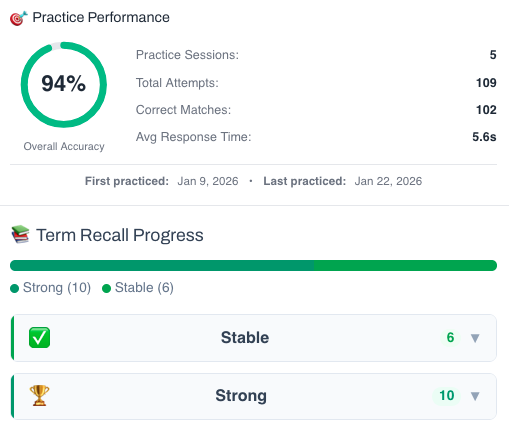
This isn’t a simple quiz — it’s a fully tracked learning system. You build knowledge through recognition, then recall, and your progress feeds directly into the Integrated Practice Bar (Writing tasks, AI Chat, and more).
- Practice sessions, accuracy, and response-time tracking
- Term strength levels (Learning → Stable → Strong)
- Personal progress history for each unit
This feature is available to YSP members.
Explore Membership Benefits🎮 Practice Games
Sentence Scrambler
Literal Phrasal Verbs with Common Prepositions – Sentence Scramble
Member-Exclusive Sentence Builder
Reconstruct scrambled sentences to practice word order and develop your grammar intuition.
This feature is available to YSP members.
Explore Membership Benefits