Common Prepositional Confusions: in/into, at/to, by/until, for/during, between/among
Core PathWay
1 Why These Small Words Cause Big Problems
Small words like in, into, at, to, by, until, for, during, between, and among are very important in English. But they are hard to learn. Why? Because Italian uses different words for these ideas. Sometimes Italian uses one word, but English uses two different words. For example, Italian speakers often say ‘I’m in the office’ and ‘I’m going in the office’ — but English needs ‘into’ for the second one. These small changes make a big difference to meaning. This page will help you choose the right word every time. You will learn simple rules for daily life situations like making appointments, going to the station, or talking about your work schedule.
2 In vs Into: Static Location vs Movement
We use in when something or someone is already inside a place. There is no movement. The person or thing stays in one place. We use into when something or someone moves from outside to inside. There is movement. Think of into as ‘in’ + movement. Italian speakers often use ‘in’ for both meanings because Italian uses ‘in’ or ‘dentro’ for both situations. But English needs into when you show the movement of going inside. Look at these examples: ‘The manager is in the office‘ (no movement — he is already there). ‘The manager is walking into the office‘ (movement — he is going inside now). This difference is very important for clear communication about where people are and where they are going.
Focus
- Use ‘in’ when someone or something is already inside a place (static position)
- Use ‘into’ when someone or something moves from outside to inside (movement)
- Think: ‘in’ = no movement, ‘into’ = movement happening now
Rules
- ‘in’ + place = static location (I am in the room)
- ‘into’ + place = movement to inside (I am going into the room)
- Verbs showing movement need ‘into’: go, walk, run, come, drive
- Verbs showing position need ‘in’: be, sit, stand, stay, work
Examples
- I’m in the meeting now. (static — I am already there)
- I’m going into the meeting now. (movement — I am entering)
- She works in an office near the station. (static position)
- She walked into the office at 9am. (movement inside)
- We waited in the building. (static — we stayed inside)
- We ran into the building because of the rain. (movement inside)
Common mistake
3 At vs To: Location Point vs Destination
We use at to show where someone or something is right now. It shows a location point. We use to to show where someone is going. It shows a destination or target. Italian speakers often confuse these because Italian uses ‘a’ for both meanings. But English makes a clear difference between being at a place and going to a place. Look at these examples: ‘I’m at the bus station‘ (location — I am here now). ‘I’m going to the bus station‘ (destination — I am moving towards it). When you arrive, you arrive at a place (not ‘to’). When you go or travel, you go to a place. This pattern is the same for appointments, meetings, and any place.
Focus
- Use ‘at’ to show where someone or something is now (location point)
- Use ‘to’ to show where someone is going (destination)
- After ‘arrive’, always use ‘at’ (never ‘to’)
Rules
- ‘at’ + place = location now (I am at the station)
- ‘to’ + place = destination (I am going to the station)
- Movement verbs use ‘to’: go, walk, run, drive, travel
- ‘arrive’ always uses ‘at’: arrive at the office, arrive at the meeting
Examples
- Please wait at the bus station. (location — stay there)
- Please go to the bus station. (destination — travel there)
- I arrived at the office early. (location after movement)
- I’m going to the office now. (destination)
- She’s at her appointment right now. (location)
- She’s driving to her appointment. (destination)
Common mistake
4 By vs Until: Deadline vs Continuation
We use by to show a deadline — the time when something must be complete. After this time, the action stops. We use until to show continuation — the action continues up to this time and then stops. Italian speakers often confuse these because Italian uses ‘entro’ for by and ‘fino a’ for until, but the English difference is very important. Look at these examples: ‘Finish the report by 5pm’ (deadline — the report must be ready at 5pm or before). ‘Work until 5pm’ (continuation — keep working, stop at 5pm). Think of by as the latest time something can happen. Think of until as how long something continues. This difference is very important for work schedules, appointments, and deadlines.
Focus
- Use ‘by’ for deadlines — the latest time something must be complete
- Use ‘until’ for continuation — how long an action continues
- After ‘by’, the action is finished; with ‘until’, the action continues and then stops
Rules
- ‘by’ + time = deadline (Finish by 5pm = must be complete at or before 5pm)
- ‘until’ + time = continuation (Work until 5pm = continue working, stop at 5pm)
- Completion verbs use ‘by’: finish, complete, submit, send
- Continuation verbs use ‘until’: work, wait, stay, continue
Examples
- Please send the email by the deadline. (must be sent before deadline)
- Please wait until 6pm. (continue waiting, stop at 6pm)
- I must finish this work by Friday. (deadline — Friday is the latest day)
- I will work until Friday. (continuation — I will stop on Friday)
- The meeting must start by 3pm. (latest start time)
- The meeting will continue until 5pm. (it will stop at 5pm)
Common mistake
5 For vs During: Duration vs Time Period
We use for to show how long something lasts — the duration. We use during to show when something happens — the time period. Italian speakers often use ‘per’ for both meanings, but English makes a clear difference. Look at these examples: ‘I worked for two hours’ (duration — how long). ‘I worked during the morning’ (time period — when). After for, we use a number or quantity: for two hours, for three days, for five minutes. After during, we use a time period or event: during the weekend, during the meeting, during the break. This difference helps you talk clearly about your schedule and daily routines.
Focus
- Use ‘for’ to show duration — how long something lasts
- Use ‘during’ to show when something happens — the time period
- After ‘for’, use numbers or quantities; after ‘during’, use time periods or events
Rules
- ‘for’ + number/quantity = duration (for two hours, for three days)
- ‘during’ + time period/event = when (during the meeting, during the weekend)
- Common ‘for’ phrases: for a minute, for an hour, for a week, for a long time
- Common ‘during’ phrases: during the day, during the break, during my appointment
Examples
- I studied for two hours. (duration — how long)
- I studied during the morning. (time period — when)
- We have a break for 15 minutes. (duration of the break)
- We can talk during the break. (when we can talk)
- She worked for three days on the project. (duration)
- She was busy during the weekend. (time period)
Common mistake
6 Between vs Among: Two Items vs Three or More
We use between when we talk about two people, things, or options. We use among when we talk about three or more people, things, or options. This rule is simple: count the items. Two items = between. Three or more items = among. Italian speakers sometimes use ‘tra’ or ‘fra’ for both situations, but English makes this clear difference. Look at these examples: ‘Choose between coffee and tea’ (two options). ‘Choose among several options‘ (three or more). This pattern is the same for places, times, and choices. It helps you talk clearly about decisions and selections.
Focus
- Use ‘between’ for two people, things, or options
- Use ‘among’ for three or more people, things, or options
- Simple rule: count the items — two = between, three+ = among
Rules
- ‘between’ + two items (between coffee and tea, between Monday and Friday)
- ‘among’ + three or more items (among several options, among many people)
- Common ‘between’ pattern: between A and B
- Common ‘among’ pattern: among + plural noun or ‘several/many’
Examples
- Choose between coffee and tea. (two options)
- Choose among five different options. (more than two)
- The meeting is between 2pm and 4pm. (two time points)
- We can meet between Monday and Wednesday. (two days)
- She is among the best workers. (part of a group of three or more)
- The station is between the office and my home. (two places)
Common mistake
7 Choosing the Right Preposition: Decision Rules and Common Traps
Now let’s put all these prepositions together. How do you choose the right one? Here are simple decision rules.
In or Into? Ask yourself: is there movement? If yes, use into. If no, use in. ‘I’m in the office‘ (no movement — I’m already here). ‘I’m going into the office‘ (movement — I’m entering now). Italian speakers often forget into because Italian uses ‘in’ for both. But English needs into for movement.
At or To? Ask yourself: am I showing location now, or destination? Location = at. Destination = to. ‘I’m at the station‘ (I’m here now). ‘I’m going to the station‘ (I’m traveling there). Remember: after ‘arrive‘, always use at. ‘I arrived at the meeting‘ (not ‘to’). Italian uses ‘arrivo a’ but English needs ‘arrive at’.
By or Until? Ask yourself: am I showing a deadline or continuation? Deadline = by. Continuation = until. ‘Finish by 5pm’ (deadline — it must be complete at or before 5pm). ‘Work until 5pm’ (continuation — keep working and stop at 5pm). Think of by as ‘not later than’. Think of until as ‘up to this time’. Italian speakers often use until for both meanings, but English makes this clear difference.
For or During? Ask yourself: am I showing how long (duration) or when (time period)? Duration = for. Time period = during. ‘I worked for two hours’ (how long). ‘I worked during the morning’ (when). After for, use numbers. After during, use time periods or events like ‘weekend‘, ‘break‘, or ‘meeting‘. Italian uses ‘per’ for duration, but English needs during for time periods.
Between or Among? This one is easy. Count the items. Two items = between. Three or more = among. ‘Choose between coffee and tea’ (two). ‘Choose among several options‘ (three or more). This rule works for places, times, and choices.
Here are some minimal pairs to show the difference:
– ‘I’m in the office‘ vs ‘I’m walking into the office‘ (static vs movement)
– ‘Wait at the bus stop’ vs ‘Go to the bus stop’ (location vs destination)
– ‘Finish by 5pm’ vs ‘Work until 5pm’ (deadline vs continuation)
– ‘Study for two hours’ vs ‘Study during the morning’ (duration vs time period)
– ‘Choose between two options‘ vs ‘Choose among five options‘ (two vs three+)
The biggest trap for Italian speakers is using one preposition when English needs a different one. Watch out for these common mistakes: saying ‘go in’ instead of ‘go into‘, saying ‘arrive to’ instead of ‘arrive at‘, saying ‘finish until‘ instead of ‘finish by‘, and saying ‘during two hours’ instead of ‘for two hours’. These small words make a big difference to meaning.
8 In Context: An Email About Schedule Changes
From: Sarah Jones
To: Team Members
Subject: Important Schedule Changes This Week
Hi everyone,
I have some changes to tell you about. Please read carefully.
On Monday, I will arrive at the office at 8:30am instead of 9am. I need to finish the monthly report by 10am because that is the deadline. I will work on it for about 90 minutes during the early morning. After that, I will be in the main meeting room until 12pm.
The team meeting on Tuesday will start at 2pm. Please come into the conference room a few minutes early. We need to choose between two new project options. I will explain both options during the meeting. The discussion will continue until 4pm, and then we will have a break for 15 minutes.
On Wednesday, I have an appointment at the city station. I will leave the office at 11am and travel to the station by bus. I will be away for the whole afternoon, but you can call me if you need to. I will return to the office on Thursday morning.
During the weekend, I will not check emails. If you have urgent questions, please send them by Friday afternoon.
Thanks,
Sarah
Noticing Prompts:
1. Can you find where Sarah uses by and where she uses until? Why does she use by for ‘finish the report’ but until for ‘I will be in the meeting room’? (Hint: think about deadline vs continuation)
2. Look at the phrases ‘arrive at the office’ and ‘come into the conference room’. Why does Sarah use at in one and into in the other? (Hint: think about location vs movement)
3. Find the phrases ‘for 90 minutes’ and ‘during the early morning’. Why does Sarah use for in one and during in the other? (Hint: think about duration vs time period)
Member-Exclusive Practice Bar
Access a wide range of integrated practice for this unit — from Vocabulary and Grammar activities to AI-curated Writing tasks and Thematic Chat practice.
This feature is available to YSP members.
Explore Membership BenefitsMember-Exclusive Vocabulary Review & Acquisition System
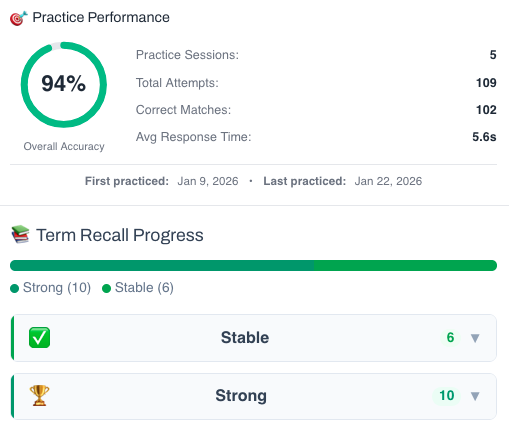
This isn’t a simple quiz — it’s a fully tracked learning system. You build knowledge through recognition, then recall, and your progress feeds directly into the Integrated Practice Bar (Writing tasks, AI Chat, and more).
- Practice sessions, accuracy, and response-time tracking
- Term strength levels (Learning → Stable → Strong)
- Personal progress history for each unit
This feature is available to YSP members.
Explore Membership Benefits🎮 Practice Games
Sentence Scrambler
Common Prepositional Confusions and Contrasts at A2 – Sentence Scramble
Member-Exclusive Sentence Builder
Reconstruct scrambled sentences to practice word order and develop your grammar intuition.
This feature is available to YSP members.
Explore Membership Benefits