The Language of the Kitchen: Essential Vocabulary for Chefs
Core PathWay
1 Section 1. Getting Started: What Chefs Do Every Day
Want to talk confidently about the work of a chef? It starts with these words.
A chef’s day begins long before the first dish leaves the kitchen. One of the first jobs is to prepare ingredients. This means getting all the food ready before cooking starts — washing, cutting, and measuring everything.
Chefs often need to chop vegetables. This means cutting vegetables into small pieces with a knife. For example, a chef might chop onions, carrots, or peppers for a sauce.
They also need to slice meat. This means cutting meat into thin, flat pieces. Sliced meat cooks more evenly and looks better on the plate.
Another important task is to measure ingredients. This means checking the exact amount of each ingredient — for example, 200 grams of flour or 100 ml of cream. Good measurements help a dish taste the same every time.
To make sure everything is done correctly, chefs follow recipes. A recipe is a set of instructions for making a dish. Following a recipe carefully means the food will turn out as expected.
These five tasks — preparing, chopping, slicing, measuring, and following recipes — are the foundation of everything a chef does.
2 Section 2. Cooking and Finishing the Dish
Once the ingredients are ready, the real cooking begins.
Chefs cook meals for many people at the same time. This is more complex than cooking at home because everything must be ready at the right moment.
A key skill is to season food. This means adding salt, pepper, herbs, or spices to improve the flavour. Seasoning is what makes a dish taste interesting rather than plain.
After seasoning, a good chef will taste dishes. This means trying a small amount of the food to check the flavour. If something is missing, the chef can add more seasoning or adjust the recipe.
When the food is ready, the chef must plate food. This means arranging the food carefully on a plate before it goes to the customer. How food looks on the plate is very important in professional cooking.
Finally, a professional chef will always check food quality. This means looking at the food carefully to make sure it is cooked correctly, looks good, and is safe to eat.
These five steps — cooking, seasoning, tasting, plating, and checking quality — take a dish from the stove to the table.
3 Section 3. Planning and Leading the Kitchen
A chef does not only cook. A chef also plans and leads.
One important responsibility is to create menus. This means deciding which dishes the restaurant will offer. A good menu balances different flavours, ingredients, and prices.
Chefs also manage the kitchen. This means being responsible for everything that happens in the kitchen — the food, the team, and the timing.
To help the team work well, a chef must supervise kitchen staff. This means watching how other cooks work and making sure they follow the correct methods.
Experienced chefs also train junior chefs. This means teaching less experienced cooks the skills they need. A well-trained team makes the whole kitchen stronger.
Another key task is to coordinate orders. This means making sure that all the dishes for one table are ready at the same time. If the starter arrives but the main course is not ready, the customer will have to wait too long.
Finally, chefs must work under pressure. This means staying calm and working efficiently when the kitchen is very busy. During a busy service, a chef might need to manage ten or fifteen dishes at the same time.
Leading a kitchen requires skill, patience, and clear communication.
4 Section 4. Hygiene, Safety, and Professional Standards
A professional kitchen must be clean and safe at all times.
Chefs must meet hygiene standards. This means following the rules about cleanliness and food safety that are set by health authorities. If a kitchen does not meet these standards, it can be closed.
One basic rule is to clean work surfaces. This means wiping down tables and counters regularly, especially after handling raw meat or fish. A clean surface stops bacteria from spreading.
Chefs must also store food safely. This means keeping food at the correct temperature and in the right containers. For example, raw meat must be kept separate from cooked food in the fridge.
Another important job is to check stock levels. This means looking at how much food and other supplies are available. If stock is low, the kitchen might run out of ingredients during service.
When stock is low, chefs need to order supplies. This means contacting suppliers to buy more food, drink, or equipment for the kitchen.
Chefs are also expected to reduce food waste. This means using ingredients carefully so that as little food as possible is thrown away. Reducing waste saves money and is better for the environment.
These six practices keep a kitchen professional, safe, and efficient.
5 Section 5. What a Chef Wears and Uses
The clothes and tools a chef uses are part of the job.
Most professional chefs wear chef’s whites. This is the traditional uniform — a white jacket and trousers. The white colour shows if the uniform is dirty, which encourages cleanliness.
Chefs also wear an apron. An apron is a piece of clothing worn over the uniform to protect it from spills and stains. It is usually tied around the waist.
In the kitchen, chefs use kitchen knives constantly. Different knives are used for different tasks — a large chef’s knife for chopping, a smaller knife for peeling, and a long knife for slicing meat.
Knife skills are very important. A sharp, well-used knife is safer than a blunt one because it is easier to control.
The uniform and tools of a chef are not just practical — they are also a sign of professionalism. A chef who looks neat and uses the right equipment shows respect for the job and for the people eating the food.
6 Section 6. The Reality of Kitchen Life
Working as a chef is exciting, but it is also demanding.
Chefs regularly work long shifts. A shift is a period of time at work. In a restaurant kitchen, a shift can last ten, twelve, or even fourteen hours. This is one of the most challenging parts of the job.
During these long shifts, chefs must also manage the kitchen, coordinate orders, and supervise staff — all at the same time.
The job requires physical strength, mental focus, and the ability to work under pressure. Even when things go wrong — a dish is overcooked, or an ingredient is missing — a chef must find a solution quickly.
At the same time, the rewards are real. A well-prepared meal, a happy customer, and a smoothly running kitchen are all signs of a chef’s skill and hard work.
Now you have the full picture of a chef’s world — from the first knife cut in the morning to the last dish plated at night. You know the words. Use them.
Member-Exclusive Practice Bar
Access a wide range of integrated practice for this unit — from Vocabulary and Grammar activities to AI-curated Writing tasks and Thematic Chat practice.
This feature is available to YSP members.
Explore Membership BenefitsMember-Exclusive Vocabulary Review & Acquisition System
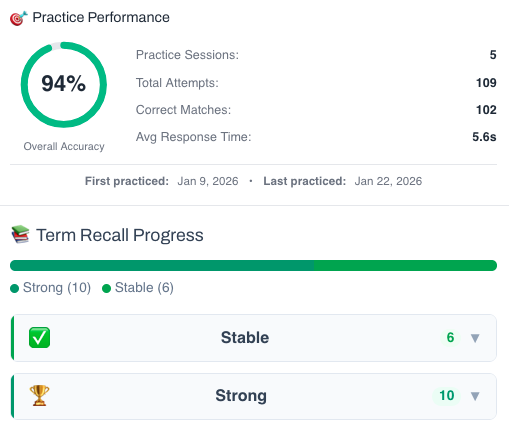
This isn’t a simple quiz — it’s a fully tracked learning system. You build knowledge through recognition, then recall, and your progress feeds directly into the Integrated Practice Bar (Writing tasks, AI Chat, and more).
- Practice sessions, accuracy, and response-time tracking
- Term strength levels (Learning → Stable → Strong)
- Personal progress history for each unit
This feature is available to YSP members.
Explore Membership Benefits🎮 Practice Games
Sentence Scrambler
Chefs – Sentence Scramble
Member-Exclusive Sentence Builder
Reconstruct scrambled sentences to practice word order and develop your grammar intuition.
This feature is available to YSP members.
Explore Membership Benefits