The Language of GPs: What Doctors Do Every Day
Core PathWay
1 Section 1. Meeting the Patient
Want to talk confidently about what GPs do? It starts with these words.
A GP’s day begins with people. Every day, a GP will see patients — this means they meet people who need medical help. GPs usually work by appointment, so patients book a time in advance. This is different from going to a hospital emergency room.
When a patient arrives, the GP will hold consultations. A consultation is a meeting between a doctor and a patient. During this meeting, the GP will ask about symptoms. Symptoms are the things a patient feels or notices, like pain, a cough, or tiredness.
The GP will also take a medical history. This means they ask questions about the patient’s past health — for example, what illnesses they have had before, and what medicines they take. This information helps the doctor understand the patient’s health better.
GPs usually work in a health centre. A health centre is a building where several doctors and nurses see patients together.
2 Section 2. Examining the Patient
After talking to the patient, the GP will examine patients. To examine means to look at and check the body carefully. This is an important part of every consultation.
One common thing a GP does is check blood pressure. Blood pressure is the force of blood moving through the body. High blood pressure can cause serious health problems, so GPs check it regularly.
GPs also use a stethoscope to listen to the heart and lungs. A stethoscope is the instrument with two earpieces that you often see around a doctor’s neck. It helps the doctor hear sounds inside the body.
Using all this information, the GP will try to diagnose common illnesses. To diagnose means to find out what illness a person has. GPs diagnose many everyday conditions, such as infections, colds, or high blood pressure.
Sometimes the GP needs more information. In that case, they will order blood tests. This means they ask a laboratory to test the patient’s blood. Then the GP will interpret test results — this means they read and understand what the results show about the patient’s health.
3 Section 3. Treating the Patient
Once the GP understands the problem, they decide how to help. One of the most common actions is to prescribe medication. This means the doctor says which medicine the patient should take. The GP will then write prescriptions — a prescription is a written or electronic instruction that tells a pharmacy which medicine to give the patient.
GPs also give medical advice. This means they tell the patient what to do to get better. For example, they might say to rest, drink more water, or avoid certain foods.
GPs can also treat minor injuries. Minor injuries are small problems like cuts, sprains, or burns that are not serious enough for a hospital. The GP can clean a wound, put on a bandage, or give pain relief.
Sometimes a patient’s problem is more serious, and the GP cannot solve it alone. In that case, the GP will refer patients to specialists. A specialist is a doctor who is an expert in one area of medicine, such as the heart or the skin. The GP writes a letter or sends a request to the specialist.
4 Section 4. Managing Long-Term Health
Not all patients visit the GP just once. Some people have conditions that last a long time. GPs manage chronic conditions for these patients. Chronic means something that continues for a long time and does not go away quickly — for example, diabetes or asthma.
For these patients, the GP will monitor patients’ health regularly. To monitor means to check something over time to see if it is getting better, worse, or staying the same. The GP might ask the patient to come back every few months.
GPs also discuss treatment options with patients. This means the doctor explains the different ways to treat a condition, and the patient can ask questions and help decide. This is important because patients should understand their own care.
To keep good records, the GP will update medical records after each appointment. Medical records are the documents that contain all the information about a patient’s health history, medicines, and test results. Keeping these records up to date helps all doctors who work with the patient.
5 Section 5. Administration and Official Documents
GPs do not only see patients — they also do important paperwork. One example is to issue medical certificates. A medical certificate is an official document that confirms a person is ill or unwell. Employers often ask for this document when someone is absent from work.
GPs also give vaccinations. A vaccination is an injection that protects the body from a specific disease. GPs give vaccinations to children, older people, and anyone who needs protection — for example, a flu vaccination in winter.
Another important task is to carry out health checks. A health check is a general examination to see how healthy a person is, even if they feel well. Many health centres offer regular health checks to adults over a certain age.
All of these tasks — certificates, vaccinations, and health checks — are part of the GP’s wider role in keeping people healthy and supporting the community.
6 Section 6. Prevention and Healthy Living
A GP’s job is not only to treat illness. GPs also help people stay healthy before problems start. This is called provide preventive care. Preventive care means actions that stop illness from developing — for example, regular check-ups, vaccinations, and health advice.
As part of this, GPs offer lifestyle advice. Lifestyle advice is guidance about daily habits that affect health, such as eating well, exercising, stopping smoking, or reducing alcohol. This advice can help patients avoid serious health problems in the future.
Notice how many of these terms follow the pattern: verb + noun. GPs ‘see’ patients, ‘check’ blood pressure, ‘write’ prescriptions, ‘order’ tests. English loves these verb-noun partnerships — they are called collocations. Learning the right verb with the right noun is the key to sounding natural.
You now have the full picture of a GP’s working day — from the first appointment to the final record update. These 26 terms are your toolkit for talking about doctors and healthcare in English.
Member-Exclusive Practice Bar
Access a wide range of integrated practice for this unit — from Vocabulary and Grammar activities to AI-curated Writing tasks and Thematic Chat practice.
This feature is available to YSP members.
Explore Membership BenefitsMember-Exclusive Vocabulary Review & Acquisition System
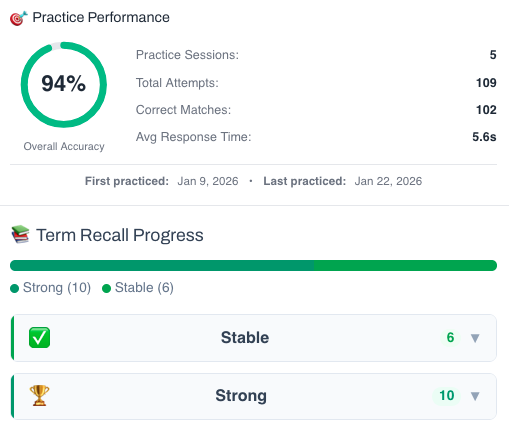
This isn’t a simple quiz — it’s a fully tracked learning system. You build knowledge through recognition, then recall, and your progress feeds directly into the Integrated Practice Bar (Writing tasks, AI Chat, and more).
- Practice sessions, accuracy, and response-time tracking
- Term strength levels (Learning → Stable → Strong)
- Personal progress history for each unit
This feature is available to YSP members.
Explore Membership Benefits🎮 Practice Games
Sentence Scrambler
Doctors – GPs – Sentence Scramble
Member-Exclusive Sentence Builder
Reconstruct scrambled sentences to practice word order and develop your grammar intuition.
This feature is available to YSP members.
Explore Membership Benefits